

The State of High-Speed Rail in Spain: A Rising Tide of Dissatisfaction
In a startling turn of events, the Spanish railway sector has found itself at the center of controversy following a significant disruption that affected hundreds of passengers. On June 30, just as the summer travel season was kicking off, a tension drop in a catenary led to the paralysis of high-speed services in southern Spain. The incident triggered an ordeal for many travelers, some of whom were stranded for up to 13 hours , culminating in a hospitalization due to the dire circumstances. This situation has highlighted a growing trend of discontent among rail users , raising questions about the reliability and efficiency of high-speed rail services that were touted as a viable alternative to road travel.
The number of unsatisfied customers is alarmingly high. Statistics reveal that 8.5% of Renfe high-speed travelers express dissatisfaction with the punctuality of the service, according to data from the Household Panel conducted by CNMC . This figure is indicative of a troubling trend, especially when compared to figures from previous years. In 2020, only 4.8% of customers reported dissatisfaction, underscoring a significant decline in service quality over time.
Moreover, the analysis reveals a considerable change in consumer sentiment. In 2020, 0.6% of customers reported being “not satisfied,” which has now risen to 4.2% . In tandem, the number of individuals who fall into the “ neither satisfied nor dissatisfied ” category has jumped dramatically from 11.8% to 19.1% . This shift paints a clear picture: travelers are increasingly leaning towards discontent with their rail experiences.
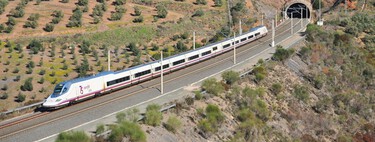
In another distressing revelation, only 22.5% of AVE customers report being “very satisfied” with punctuality, a drop from 36% in 2020. The sentiment among Avlo customers is similarly bleak, with dissatisfaction levels recorded at 13.1% . While 23% still express high satisfaction for Avlo services, the overall sentiment indicates a worrying trend.
Challenges Posed by New Operators
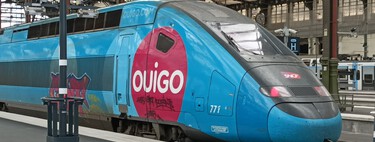
Another layer to this complex issue involves new rail operators like Ouigo and Iryo , who have entered the Spanish market. Amidst complaints about high prices and reliability, these operators face a dissatisfaction rate of 8% , with only 2.2% entering the “very dissatisfied” category—almost half that of Avlo customers. However, dissatisfaction concerning pricing has become a broader concern, particularly for Avlo, where 23.3% of customers are unhappy, a stark contrast to the 31.3% for AVE customers.
In this shifting landscape, it becomes evident that the rail service’s overall quality must improve for it to compete effectively against both its historical rivals and newly arrived operators. Current data indicate that while both Ouigo and Iryo outperform Renfe—particularly its AVE and Avlo services—dissatisfaction still looms significantly. For example, Avlo’s dissatisfaction rate impacts around 12.2% of customers, while dissatisfaction for Ouigo and Iryo fluctuates between 8.3% and 9.8% .
Government Intervention and Future Directions
The Spanish government has long envisioned making high-speed rail a viable alternative to road travel, even discussing potential regulations to restrict domestic flights in favor of train travel. Various policies, including free train tickets and subsidies, have been implemented since 2022 to encourage public transport usage. These measures follow successful examples from other countries, aimed at mitigating the impacts of the Ukraine crisis .
Interestingly, they underscore the potential for rail travel but emphasize the need for reliable, punctual, and secure services. As evidenced by recent traveler behavior , continuous disruptions in rail services have prompted some to revert back to air travel for routes like Sevilla-Madrid , demonstrating that the train’s role as a reliable alternative remains unfulfilled.
The landscape for high-speed rail in Spain is currently riddled with challenges, ranging from punctuality and reliability to mounting dissatisfaction among travelers. If the Spanish Rail Network wishes to uphold its promise as a competitive alternative to airlines and automobiles, it must prioritize a swift response to these pressing issues, ensuring that future travelers can return to trusting their rail systems without hesitation.