

Japan’s Rural Crisis: The Innovative Fight Against Despair
As we reflect on the last year, the word that resonates with many in rural Japan is despair . This term embodies the challenges posed by a birth crisis and an aging population , which significantly shape the social fabric of these communities. To combat this decline, some villages are adopting unprecedented measures to attract immigrants, while others find their populations replaced by dolls. In a desperate bid, governments are even offering thousands of euros to draw young families to these areas. The effects of depopulation have led to the closure of schools, prompting a search for innovative solutions to repurpose these educational institutions.
The Sunset of Classrooms
In an extensive report by the BBC , it was highlighted that Japan faces an alarming transformation. Each year, around 450 rural schools shut down due to demographic aging and youth migration to urban centers. What were once hubs of education and community engagement are now vacant structures that echo the desolation of entire regions. A striking example is Miyoshi , a remote municipality on Shikoku Island , where the population has plummeted from nearly 78,000 in 1955 to just 20,000 today , with over 40% of its residents aged 65 or older. The closure of Deai Elementary School in 2005 only marked another entry in the diary of rural decline.
Design Meets Purpose
Enter a unique initiative spearheaded by designer Shuko Uemoto . What began as a family getaway in 2014 turned into a transformative experience for Uemoto and his son, who experienced a significant health improvement due to the region’s pure air and natural environment. This personal revelation sparked an idea: transform an abandoned school into a wellness and community space . When he discovered the Deai building, nestled in a tranquil setting with lush greenery, he knew he had stumbled upon the perfect backdrop for his vision.
From Classrooms to Guest Rooms
This led to the birth of HARE TO KE , a rural accommodation derived from an ancient Japanese concept that represents balance between extraordinary life and daily routines. Uemoto’s project aims to provide guests with an experience that encourages them to slow down and reconnect with both nature and themselves. The old classrooms, meticulously restored, retain their original features—blackboards, desks, and murals—ensuring that the memories of the past are woven into the guests’ experiences.
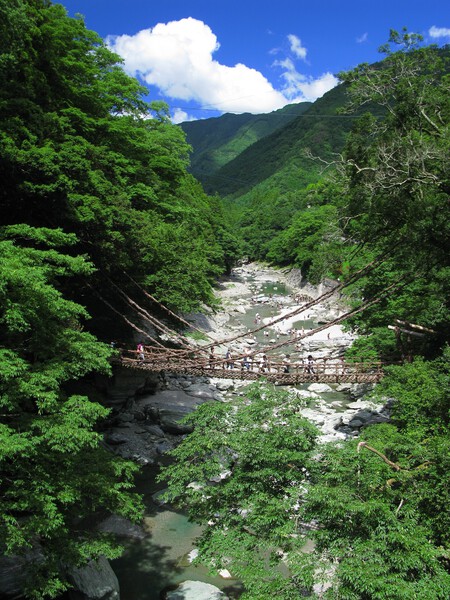
Miyoshi
Revolutionizing Rest with Sleep Trips
At its core, HARE TO KE specializes in what they term “Sleep Trips.” These experiences focus on fostering improved sleep quality and relaxation. Guests complete a questionnaire and receive customized medicinal infusions , bolstered by aromatherapy, soaking in spring water baths, and sessions in cedar saunas with views of the serene forest. Everything is crafted to awaken the five senses and facilitate a natural, unhurried pace of life. In a country often plagued by noise and environmental pollution, the profound silence and profound darkness of Miyoshi offer a transformative experience for many. According to Uemoto, even a single night of restful sleep can change the course of one’s journey.
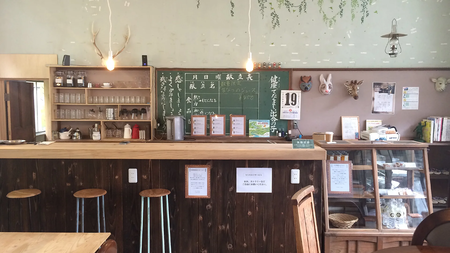
A New Form of Tourism
However, HARE TO KE transcends the role of an ordinary hotel; it plays a vital role in revitalizing the local community. The establishment’s influence is profound, as former students and even past school officials revisit the rejuvenated building. Local residents now gather at the former sports field to partake in Gateball , while guests enjoy the communal experience from reimagined classrooms.
Workshops centered on local products, monthly fairs, and cultural activities, including Awa Odori , a traditional dance from Tokushima , are organized to forge connections between visitors and locals. These activities not only enrich visitors’ experiences but also uphold cultural traditions that might otherwise fade away without intervention.
Preserving Ancestral Heritage
The Miyoshi experience extends far beyond mere relaxation; it immerses visitors in a cultural and historical landscape resilient against the ravages of time. Guests participate in rituals like the Tsurugi Festival , with a ritual procession that spans over 900 years , and can trek through the scenic Iya Valley , crossing iconic vine bridges or savoring locally grown dishes prepared with crops cultivated on steep terraced fields .

A Model for Revitalization
Since the inception of HARE TO KE, over 13 more schools in Miyoshi have been successfully transformed into cafes, offices, or accommodations. This revitalization model, spearheaded by local administration, has reinvigorated the economy and restored community pride, shining a spotlight on a region once destined for oblivion. Despite facing a daunting challenge—Japan loses about 900,000 inhabitants annually , and more than 40% of municipalities are at risk of extinction—Miyoshi demonstrates that it is possible to resist erasure through sustainable practices rooted in memory and community.
In a world increasingly defined by urbanization, Miyoshi stands as a testament to the power of creative thinking and community spirit. Its journey reflects a hopeful narrative that revitalization is attainable, not through grandiose projects but through sustainable, people-centered approaches that focus on preserving the essence of community. This model could inspire many other regions grappling with similar issues worldwide, showing that local memories and connections can be powerful agents of change.