
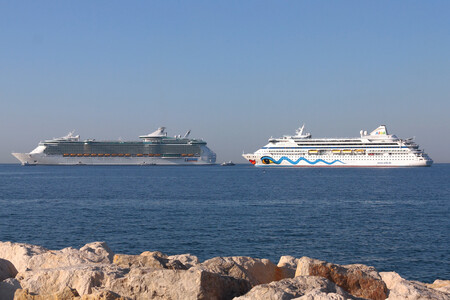
Cannes Imposes New Limits on Cruise Ships to Protect Its Tourism Future
Cannes, renowned for its film festival and glamorous reputation, is taking a proactive approach to managing the rising influx of cruise ship tourists. In a recent decision, the city council has introduced stringent measures that limit the number of large cruise vessels visiting its picturesque bay. Starting in 2026, only one cruise ship, with a capacity of fewer than 1,000 passengers, will be permitted daily, a significant change aimed at ensuring sustainable tourism practices.
The Shift in Cruise Ship Policy
Cannes’ decision aligns with a growing trend among port cities like Barcelona, Venice, and Amsterdam, which have already imposed restrictions or are considering similar regulations. The pushback against large cruise ships stems from concerns over overcrowding, environmental degradation, and the strain on local resources. As these cities seek to maintain their unique charm while promoting tourism, they are factoring in not just economic benefits but also the impact of tourism on local communities.
The Economic Impact of Cruise Tourism
Before the implementation of these restrictions, Cannes attracted millions of visitors annually, a substantial portion arriving via cruise ships. In 2015 alone, approximately 546,000 cruise passengers visited the ports of the Côte d’Azur, greatly contributing to the local economy. However, the influx also puts immense pressure on infrastructure, creating challenges that can detract from the visitor experience.
In 2024, Cannes witnessed around 175 cruise arrivals, with some ships capable of accommodating upwards of 5,000 passengers. The cumulative effect of these large vessels can lead to overcrowded streets, strained public services, and a diminished quality of life for residents. This new limit aims to strike a balance between economic benefit and community wellness.
The Environmental Angle
One imperative behind Cannes’ decision stems from environmental concerns associated with large cruise ships. These floating cities often contribute to pollution and can severely impact marine life and coastal ecosystems. The city administration emphasizes the need for sustainable practices and has expressed a desire to replace larger ships with smaller, more eco-friendly alternatives that adhere to modern environmental standards.
The mayor of Cannes, David Lisnard, has affirmed that the aim is not to prohibit cruise tourism but to “regulate, organize, and supervise” it. By imposing this limit, Cannes hopes to encourage tourism that is not only economically viable but also environmentally responsible.
Community Response
The local community appears to support the introduction of these measures. Many residents have long expressed concerns regarding the overpopulation of their small city during the cruise season. As complaints about the negative impacts of mass tourism echo across Europe—from Barcelona to Venice—it is clear that Cannes is not an outlier in this trend.
In recent protests against mass tourism in Europe, cities like Florence, Palma, and Marseille have also highlighted their concerns over their capacity to handle such overwhelming visitor numbers. Residents of these cities advocate for a smaller, more controlled approach to tourism, asserting that sustainable development must be prioritized over profit margins.
Looking Toward the Future
Cannes’ new policy is expected to create a ripple effect in the global cruise industry. As more cities adopt similar regulations, cruise lines may need to rethink their itineraries and operational strategies. In response to the backlash against large vessels, many cruise companies are contemplating adjustments to their offerings, focusing on smaller, more immersive travel experiences that cater to a more discerning traveler.
This pivot in cruise tourism could redefine the landscape of tourist destinations in Europe and beyond, as cities like Cannes demonstrate that protecting local communities and ecosystems can coincide with maintaining a thriving tourism sector.
Conclusion
The progressive measures introduced by Cannes mark a significant step in a broader movement towards sustainable tourism management. As more cities grapple with the challenges of mass tourism, the strategies employed by Cannes could serve as a model for others facing similar issues. By embracing a future with smaller, more environmentally conscious cruise ships and limiting the total number of visitors on any given day, Cannes is laying the groundwork for a sustainable tourism approach that preserves its charm and community for generations to come.
Images | Xavier Photography (UNSPLASH) and JRG.Jennerich (Flickr)