
The Legacy of Equal Marriage: A Two-Decade Celebration
In a notable celebration on the occasion of the National Day of LGTBI Pride, former Spanish President José Luis Rodríguez Zapatero reflected on the landmark achievement in civil rights that was the approval of equal marriage back in 2005. This occasion marked a powerful reminder of how a law, initially perceived as a minority benefit, has transformed the landscape of love and partnership for all in Spain.
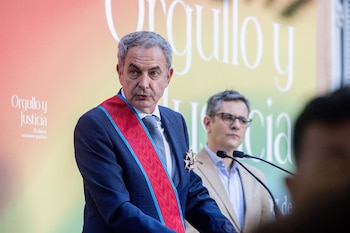
Zapatero was speaking at an event entitled ‘Pride and Justice,’ organized by the Ministry that commemorated both the anniversary of equal marriage and the ongoing fight for LGTBI rights. The gathering saw Minister Félix Bolaños bestowing the Great Cross of the Order of San Raimundo de Peñafort upon Zapatero and posthumously honoring Pedro Zerolo, an LGTBI activist who played a crucial role in the fight for equal rights.
During his speech, Zapatero emphasized the necessity of enshrining a genuine anti-discrimination law in Spain’s legal system. He proclaimed that the battle for equality is “an always unfinished task,” highlighting that democracy holds an open promise for continuous improvement. Zapatero recounted June 30, 2005, when the Spanish Congress acknowledged the right for same-sex couples to marry, stating that this new right had quickly become a part of Spanish history.
Words that Changed History
With just 19 words added to the Civil Code, a transformative shift occurred. The new article stipulated that "marriage will have the same requirements and effects regardless of the sex of the parties involved." Zapatero expressed gratitude toward Juan Fernando López Aguilar, the Justice Minister at the time, for his instrumental role in promoting this revolutionary law.
He poignantly remarked, “Rarely do a few words have the power to recognize the dignity of so many who were long marginalized and humiliated.” These words not only acknowledged the value of love but also invoked longstanding desires for recognition and respect among countless individuals in the LGTBI community.
Reflecting on that historic day in Congress, Zapatero recalled the emotional presence of supporters, led by the late Zerolo, who fought tirelessly for the equal recognition of love. “I remember with emotion those men and women who moved from pain and silence to fulfilling their dreams of freedom,” he said.
The Ongoing Struggle for Rights
Zapatero reiterated that the recognition of rights is not simply a matter of political success, but a shared responsibility among all citizens. “It was a law promoted by a minority, but it benefited everyone,” he asserted, underlining the universal nature of rights.
Luisa Estévez, president of the Pedro Zerolo Foundation, echoed Zapatero’s sentiments, highlighting Zerolo’s unwavering commitment to human rights. She remarked that he had turned utopias into rights and tirelessly worked not just to change laws, but to change lives. Such reflections serve to remind present and future generations of the historical struggles and the ongoing need for vigilance in protecting hard-won rights.
Minister Bolaños also acknowledged the historic significance of the 19 simple words that allowed same-sex marriage to flourish in Spain, emphasizing that it did not require a constitutional amendment. “Rights are achieved, but they can also be lost,” he cautioned, drawing attention to the precarious nature of progress in human rights globally.
Looking Back and Moving Forward
The ‘Pride and Justice’ act, now in its second edition, serves not only as a celebration but as a reminder of the work still ahead. Notable attendees included the President of Congress, Francina Armengol, and various activists dedicated to the LGTBI rights movement.
The gathering was a testament to the progress Spain has made but also a reminder of the struggles that continue, especially in regions of Europe where rights are under threat. As reiterated by both Zapatero and Bolaños, an unwavering commitment to equality and justice for all must remain at the forefront of national and international agendas.
The event celebrated not just a legal milestone but the collective journey toward a more inclusive society, where dignity, love, and mutual respect are the cornerstones of community life. LGTBI rights are human rights, and the ongoing efforts to defend and expand them remain instrumental in shaping a future that honors diversity and equality for all individuals, regardless of their sexual orientation or identity.