
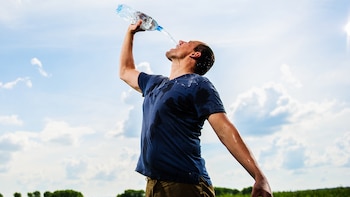
The Surprising Findings on Hydration
The heat wave has swept across many regions, leading to a surge in recommendations for surviving the soaring temperatures. While we often hear advice such as protecting oneself from the sun, avoiding self-medication, and staying hydrated, the recent findings from a study conducted by St. Andrews University in Scotland introduce a notable twist: water may not be the ultimate choice for hydration.
This study, published in The American Journal of Clinical Nutrition—one of the most respected publications in the field—doesn’t claim that water is bad. In fact, the researchers stress that water remains an excellent option for staying hydrated. However, their conclusion indicates that beverages containing a balanced combination of water, sugars, fats, and proteins may provide more effective hydration than water alone.
The Science of Hydration
The research analyzed the hydration responses to various drinks, concluding that both carbonated and non-carbonated water hydrate efficiently. However, beverages that also supply additional nutrients tend to slow gastric emptying, allowing the body to retain fluids for a more extended period. Professor Ronald Maughan of St. Andrews School of Medicine, who co-authored the study, elaborates, “The greater the amount of liquid you consume, the faster the stomach is emptied and absorbed by the bloodstream, allowing body fluids to be diluted and preserving a state of hydration."
Nutrition expert Melissa Majumdar, who did not participate in the study, echoed these sentiments, stating: “This study confirms much of what we already knew: electrolytes like sodium and potassium contribute to better hydration, while the caloric content in drinks can delay gastric emptying and therefore reduce urine output.”
Milk vs. Water: Who Wins?
Intriguingly, the study identifies milk as one of the most effective hydrators, outperforming even plain water. This remarkable capability can be attributed to its lactose, protein and fat content, and sodium, which helps the body retain fluids and decreases urine production. Additionally, oral rehydration solutions with electrolytes—often used in treating dehydration caused by diarrhea—were highlighted for their effectiveness.
Conversely, fruit juices and sugary soft drinks were found to be less effective for hydration than their lower-calorie counterparts. While these sugary drinks may linger longer in the stomach, their transition to the small intestine triggers a phenomenon called osmosis, where the body extracts water from tissues to dilute the sugars, ultimately counteracting hydration. As Majumdar emphasizes, "If you have to choose between soda and water to hydrate, always choose water."
Contextual Awareness of Hydration Needs
In everyday life, most individuals need not meticulously consider the differences in hydration potential among various beverages, provided they listen to their body’s natural signals. Maughan states that if you’re thirsty, your body will signal that more fluids are needed. However, he warned that in specific conditions—like intense exercise under extreme temperatures—vigilance about hydration becomes imperative.
The study also explored the effects of alcohol and coffee on hydration levels. Maughan pointed out that beer tends to cause less water loss than whiskey, mainly because it is consumed in larger volumes. In general, lower-alcohol beverages, like beer, have a less pronounced dehydrating effect. Interestingly, when it comes to coffee, the level of caffeine is a critical factor. A standard cup, containing about 80 milligrams of caffeine, is nearly as hydrating as water, while higher caffeine intakes—ranging from 300 milligrams (around two to four cups)—can lead to slight liquid loss due to caffeine’s diuretic effect, although this effect is typically short-lived.
The implications of this research are significant for health professionals and everyday individuals alike, as understanding the nuances of hydration can effectively guide better beverage choices during the sweltering heat of summer.
In conclusion, the new insights into hydration challenge established norms regarding the best liquids for maintaining optimal fluid balance. With findings supporting the efficacy of milk and electrolyte solutions over plain water, it becomes clear that staying hydrated involves more than simply drinking water. Emphasizing a varied approach to hydration can equip individuals with the knowledge needed to combat the heat effectively. As the warm months approach, being mindful of hydration sources becomes increasingly essential for overall health and well-being.