
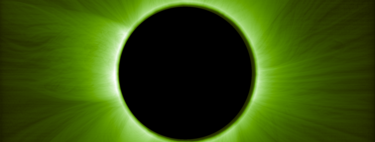
The Upcoming Total Solar Eclipse in Spain: A Spectacle Not to Be Missed
To many, we still remember the breathtaking images of the total solar eclipse that swept across Mexico, the United States, and Canada just over a year ago. This celestial event captivated millions and paralyzed a continent , particularly the regions within what is known as the “totality strip,” where darkness enveloped the area during the day. Now, all eyes turn to Spain as the next cosmic spectacle approaches, and we won’t have to wait long.
August 12, 2026, marks a monumental date as the first total visible solar eclipse since 1905 will occur. This presents a once-in-a-century opportunity for observers in Spain to witness every phase of the eclipse. Along with Iceland , which will experience 58 seconds of totality, Spain will be the only country to witness the total phases. Moreover, the likelihood of having clear skies in mid-August significantly increases our chances of a perfect view compared to Iceland’s more variable weather.
Understanding the Eclipse
A total eclipse occurs when the moon aligns perfectly between the sun and the earth, casting a shadow that plunges lucky observers into twilight during the day. In 2026, the path of totality will span approximately 300 kilometers wide and travel across Spain from west to east , starting in Galicia and moving towards the Balearic Islands .
The autonomous communities that will be beneath the shadow cone of totality include Galicia, Asturias, Cantabria, Castilla y León, the Basque Country, La Rioja, Aragón, Catalonia, the Valencian Community , and the Balearic Islands . Notably, Madrid will be positioned at the edge, experiencing a fleeting totality in the northern region. Even those in the rest of the country won’t miss out completely; they will experience a highly partial eclipse with up to 90% coverage in some areas, and as much as 74% in the Canary Islands , particularly Lanzarote , which is set for optimal viewing conditions.
The Duration of Totality
This eclipse will start just before sunset, creating an unforgettable backdrop for observers. The totality phase is expected around 20:30 (summer peninsular time), with the sun low on the horizon. In cities like Oviedo , the totality will last 1 minute and 48 seconds—just a bit longer in places such as Burgos , León , and Mallorca , which is becoming a prime tourist destination for the event. However, it’s worth mentioning that the sun will set earlier in the peninsular northwest.
Observation Safety
While the anticipation of witnessing the eclipse is exhilarating, safety must remain a priority. Looking directly at the sun, even during a partial eclipse, can lead to permanent eye damage. Therefore, during all partial phases—before and after totality—wearing certified eclipse glasses or utilizing safe indirect methods to observe the event is essential.
Additionally, for optimal viewing, choose a high observation spot with a clear horizon free from mountains or buildings to the west to ensure you don’t miss this astronomical marvel.
In summary, the total solar eclipse of August 12, 2026 , promises to be an event of unparalleled beauty and significance. Whether you’re in the direct path of totality or witnessing a partial eclipse, prepare to feel a deep connection to the universe. As one of the most anticipated cosmic events of the century, it’s a rare occasion not to be missed.