

The Rise of AI Fluency in Job Markets
Recently, Andy Jassy , the CEO of Amazon , warned employees that their jobs will change or potentially disappear in the upcoming years unless they learn to utilize AI tools effectively. Similar sentiments have echoed from companies like Duolingo , Zapier , and Shopify , highlighting an essential shift in the workforce’s skill requirements.
This shift towards mastering AI tools has birthed a new concept in tech job listings: “AI fluency.” This emerging requirement has begun to reshape the landscape of job qualifications, urging candidates to be trained in AI from the outset.
What is AI Fluency?
AI fluency refers not just to the basic usage of AI in the workplace—where it has shown significant value in tasks such as translation—but also to the ability to integrate AI into work processes to enhance efficiency and outcomes. This fluency entails understanding how AI functions and effectively using it to optimize workflows.
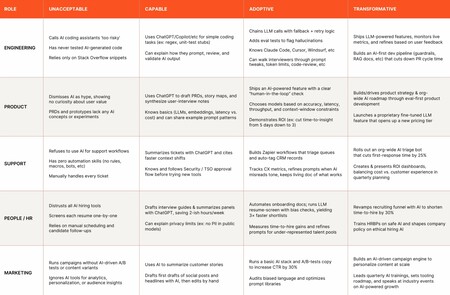
Wade Foster , co-founder and CEO of Zapier , indicated that his company had established a new hiring standard where 100% of new employees must be fluent in AI. This means that all job listings will now include AI fluency as a requirement, regardless of whether the position is in sales, product development, or engineering.
How is AI Fluency Defined?
Zapier is not alone in integrating AI fluency into its job requirements. A quick glance around platforms like Glassdoor reveals numerous job listings that are starting to demand AI fluency alongside conventional qualifications such as programming skills and experience. This adjustment indicates a systematic shift in the expectations of job candidates.
A common question among users has been regarding how a candidate’s AI fluency is evaluated. Following inquiries, Foster provided insights, including a table illustrating the expected levels of AI fluency based on the complexity and integration of AI tasks related to their prospective job. This guideline further emphasizes the varying degrees of fluency required depending on the role.
Five Years of Experience for Juniors
At this point, it is unquestionable that AI usage will soon become a fundamental requirement in most jobs, comparable to basic office tool proficiency. This raises concerns about whether this emerging requirement could evolve into another irrational demand in job ads, similar to existing issues reported by HR professionals .
For instance, the common request for five years of experience for entry-level positions or qualifications in programming languages that were recently developed often raises eyebrows. These requirements may alienate potential candidates who are eager yet under-qualified.
The Curiosity of Employees
Essentially, the crux of this new skill lies in understanding how AI models operate, issuing appropriate commands, and creating feedback loops that enable the AI to learn from its mistakes. However, acquiring these skills often relies on self-education , as companies currently provide scant training on AI usage.
According to data from Slack’s Fall Workforce Index 2024 , approximately 76% of employees expressed a willingness to undergo training on AI for their jobs. Yet, 48% confessed discomfort in admitting their current usage of AI tools, pointing to a disparity in self-perception and actual proficiency.

Companies and AI Training
Current industry realities starkly contrast the ambition for AI integration within company operations. A recent report by InfoJobs indicated that one in three employees is using some form of AI at work. Yet, among habitual users, only 20% have received relevant training to incorporate AI into their roles, while almost 60% reported having received no such training with no plans for future development.
Moreover, the annual Infoempleo and Adecco report on job supply and demand in Spain for 2024 found that a staggering 84.71% of organizations had not offered any form of AI training to their employees.
Realistic Job Expectations versus Scarcity
According to a report by the Bank of Spain , the lack of qualified personnel remains the most significant obstacle to AI adoption in companies, standing at 45.8% . Imposing unrealistic AI fluency criteria for entry-level positions could further exacerbate talent shortages, particularly hindering younger individuals’ access to the job market.
Ultimately, setting unattainable requirements creates a permanent talent gap , not because trained professionals are unavailable, but because companies are failing to invest in developing qualified candidates and expecting them to arrive fully equipped for the roles they are hiring for.
In conclusion, as AI continues to evolve, so too must the capabilities of the workforce. Companies that recognize the importance of AI fluency and invest in training will likely see increased efficiency and innovation, setting themselves apart in an increasingly competitive job market.