
Controversy Erupts Over Criminals’ Attendence at Peace Event in Medellín
On June 21, the President of Colombia, Gustavo Petro, faced a tidal wave of criticism after he organized a public gathering in the iconic La Alpujarra plaza in Medellín. The controversy stemmed from the fact that nine leaders of criminal gangs were transferred from Itagüí prison to attend the event, part of the government’s "Total Peace" initiative.
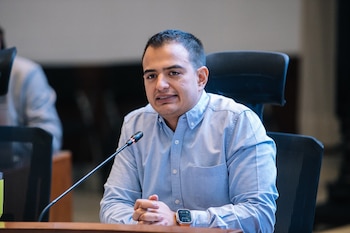
The councilor, Andrés Tobón, promptly issued a formal request for information directed to the director of the Itagüí prison, demanding explanations for the presence of these inmates, identified as heads of criminal organizations, at a political event led by President Petro.

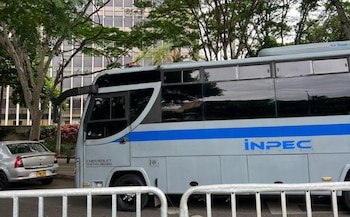
The event marked a gathering aimed at promoting urban peace, announced as "Pacto por la Paz Urbana." Reports highlighted that vehicles belonging to the National Penitentiary and Prison Institute (Inpec) were actively involved in transporting inmates from the La Paz Prison to the venue.
Tobón’s formal inquiry specifically requested details regarding which incarcerated persons received permission to leave the prison for this public event and what legal foundations were used to grant such permission under the Colombian Penal Code.
The councilman expressed concerns about the diminishing integrity of the prison system and questioned whether such permissions fell under the regulations outlined in Law 65 of 1993, the Colombian penitentiary and prison law.
Those who reportedly attended included notorious figures such as José Leonardo Muñoz Martínez (alias "Douglas"), Juan Carlos Mesa Vallejo (alias "Tom"), and others, all known for their connections to violent criminal networks in Medellín.
The participation of convicted criminals in a public forum initiated by the National Government raised an uproar among the public and the political spectrum, as many viewed it as a breach of safety and ethical norms.
The event titled "Pacto por la Paz Urbana" was convened to gather various social and political stakeholders for discussions on community cooperation and safety. However, the attendance of infamous criminals shifted the focus onto legal and ethical implications regarding their temporary release from prison.
Councilor Tobón took to social media, stating, “I have just filed a formal request with @INPEC_Colombia to inform me about the procedures that were followed to allow these convicted criminals to leave their cells to attend the political event with Petro. No steps back against bandits.”
Tobón’s inquiry included detailed questions about the procedural steps needed for inmate transportation and any required judicial approvals that may have been overlooked.
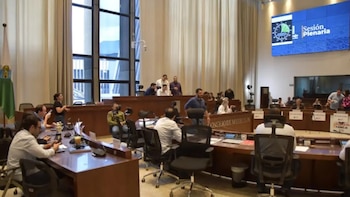
Tobón’s inquiries focus on the need for transparency concerning the actions of Inpec and the prison administration at La Paz. The ethical ramifications of allowing convicted criminals to partake in public discourse cannot be overlooked, as it poses significant questions about the intersection of politics, public safety, and criminal justice in contemporary Colombia.