
The Fascinating World of Heikegani: Japan’s Samurai Crabs
The natural world often surprises us with unusual phenomena that blur the lines between reality and folklore. Among these incredible instances is the fascinating story of Heikegani, a type of crab that has captured the imagination of many in Japan and beyond. Known for their peculiar shells that resemble the masks of samurais, Heikegani crabs are a perfect blend of nature and myth.
Understanding Pareidolia
Before delving deeper into the history and biology of Heikegani, it’s essential to understand a concept known as pareidolia. This psychological phenomenon is when the human mind perceives familiar patterns, such as faces, in random objects. Whether it’s seeing a face in a cloud or on a wall, it’s a natural tendency of our brains to recognize patterns. This is precisely what makes Heikegani so intriguing; many see the facial features of ancient warriors in their shells.
The Legend of Heikegani
According to Japanese folklore, the Heikegani crabs are the reincarnations of the Heike warriors who perished in the Battle of Dan-no-ura during the late 12th century. This decisive battle saw the Genji clan defeat the Heike clan, leading to a drastic change in Japan’s power dynamics.
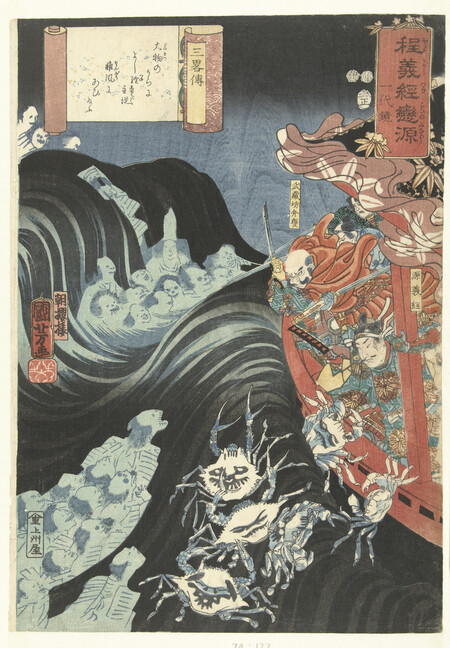
As the story goes, the spirits of the fallen Heike warriors found their way into the nearby ocean, taking on the form of crabs. This transformation supposedly resulted in their shells adopting the patterns of warriors’ masks, symbolizing their enduring loyalty and resistance.
Scientific Insights: Natural Selection and Cultural Significance
While the legend is captivating, a scientific perspective offers an alternative view. Renowned astronomer Carl Sagan suggested that the unique shell patterns of Heikegani resulted from selective breeding. Local fishermen, as a sign of respect for the fallen warriors, would catch and release crabs that displayed the mask-like patterns, allowing these specific traits to be passed down genetically.
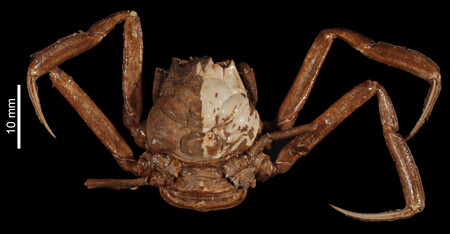
This kind of selective pressure is crucial in understanding how such distinctive features may have evolved. The fishermen aimed to honor the history while perpetuating a unique feature, leading to the legendary look of these crabs.
However, some scientists, like Joel Martin, argue against this narrative. Martin contends that the consumption of Heikegani was minimal, suggesting that the evolutionary pressure to select for these traits may not have been as profound as believed. Instead, he posits that the resemblance of their shells to masks can be attributed to the anatomy of the crab itself, particularly in how muscle attachment points create these patterns, further inviting pareidolia.
Symbolism in Japanese Culture
Regardless of the scientific explanation, Heikegani crabs have become imbued with cultural significance. They are often viewed as symbols of resilience, bravery, and loyalty in Japanese society. Their unique appearance has not only solidified their place in folklore but also in the hearts of the people who revere their story.
Culturally, they represent a connection between the past and present—a tangible link to the samurais who once ruled the land. Their shells tell a story that transcends generations, serving as a continual reminder of the sacrifices made during the turmoil of feudal Japan.
Conclusion
In exploring the world of Heikegani, one discovers a rich tapestry of history, culture, and natural science. From the mystical tales of samurai spirits to the scientific inquiries into their unique forms, these crabs offer a glimpse into how deeply intertwined our perceptions of reality and myth can be. Whether you view them as natural curiosities or as spiritual symbols, Heikegani crabs remain a testament to the enduring legacy of Japan’s past.
Image Sources: Muséum national d’histoire naturelle
For more intriguing tales from Japan, stay tuned!