
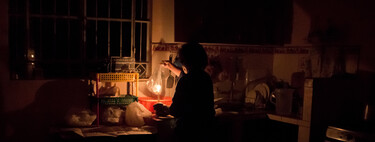
The Power Struggle: Analyzing Spain’s Major Blackout Incident
On April 28, 2025, Spain experienced its largest blackout in recent history, affecting millions and raising serious questions about the reliability of the nation’s energy system . The event has become a battleground of accusations among key stakeholders, primarily the government, the national electrical grid operator (Red Eléctrica), and electricity producers, each eager to shift the blame.
As part of the fallout, the Spanish government released an official report that hints at fundamental flaws in the planning by Red Eléctrica, while the latter argued that the electricity companies themselves failed to adhere to their operational responsibilities. This twist of blame sees each party pointing fingers, deepening the chaos that ensued from the blackout.
The official report, which is a 182-page technical investigation, concluded that the blackout was triggered by a chain reaction of voltage fluctuations that the system couldn’t withstand. The investigation highlighted two critical mistakes made by Red Eléctrica on that day: inadequate planning and an insufficient ability to dynamically control voltage levels. Specifically, the number of thermal generators set up to manage voltage was fewer than necessary, while a critical generator that had gone offline the previous day was not replaced.
Spain’s official report addresses critical failures , highlighting blame exclusively on Red Eléctrica.
Moreover, the report criticized the operator for following protocols that inadvertently heightened the voltage, which led to three critical disconnections of the system. Such disconnections fell like a house of cards as the operator attempted to regulate the situation through various means, including suppressing energy exports and limiting connections.
Red Eléctrica’s Defense
Faced with government conclusions, Red Eléctrica presented its own defensive report . According to their analysis, the company’s operational decisions were appropriate and it was the electric producers who failed to maintain necessary voltage levels. Concha Sánchez , the director of system operations, stated that had the other electric plants complied with their operational duties, the blackout could have been avoided.
Red Eléctrica insists that its planning was sufficient, arguing that their calculations were based on the premise that all plants would adhere to existing regulations. This claim places additional weight on the electric companies, which Red Eléctrica asserts did not meet their obligations to absorb reactive energy levels.
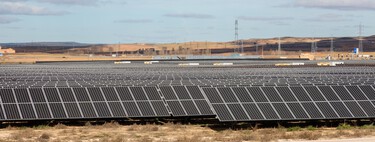
Spain’s energy landscape faces significant challenges in ensuring reliability post-blackout.
The Electric Companies Speak Out
The electric companies, including major players like Iberdrola, Endesa , and EDP , outright deny any fault in their operations. They claim that their protective systems responded appropriately to the network instability, characterizing the disconnections as automatic safeguards vital for protecting their equipment.
Adding to the accusations, electric companies have criticized the government for creating confusion through public statements. They assert that they had warned Red Eléctrica about looming voltage problems prior to the blackout. When these warnings were allegedly ignored, it caused the situation to rapidly deteriorate.
A significant point of contention lies in how the reports frame the events. For instance, Red Eléctrica’s inquiry focuses on the specifics that occurred after 12:03 PM on April 28, categorizing earlier events as not relevant to the blackout. This selective analysis has drawn criticism from analysts who note that fluctuations in voltage were irregular for hours leading up to the disaster.
The Consumers’ Dilemma
The greatest tragedy perhaps lies with the consumers , who ultimately bear the financial brunt of restoring power and repairing infrastructure. As the costs to return to a normal energy state arise, households will find themselves footing the bill, despite being mere spectators in this accusatory melee.
The impact of the blackout transcended Spain, affecting energy systems in Portugal and parts of France , leading to potential multi-million dollar claims from all countries involved. Given these stakes, it’s evident that each party is carefully constructing narratives to protect their interests in what is destined to become a legal battle over settlements and responsibilities.
This blackout incident is emblematic of deeper systemic vulnerabilities in Spain’s power grid. As each stakeholder navigates this blame game, one fact remains clear: the incident illuminated the fragility of an energy system that requires urgent reform to prevent recurrence and to protect consumers from future upheavals.