
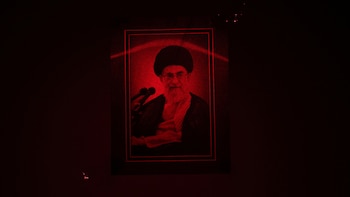
The Escalating Tensions between Israel and Iran
The recent Israeli airstrike against Iran’s nuclear infrastructure marks a significant event in the long history of escalating tensions in the Middle East. This conflict, rich in historical context, begs the question of how it will influence the regional landscape not just today, but for years to come.
Fundamental to understanding this conflict is acknowledging that it could see outcomes ranging from the potential overthrow of the Iranian regime to a large-scale regional war involving major powers. According to reports, the attack on Iranian nuclear sites on a scale reminiscent of landmark conflicts in the region serves as a stark reminder of the volatility present in Middle Eastern geopolitics.
Consequences of the Israeli Attack
The immediate implication of this attack is the promise from Israel to escalate its efforts until Iran’s nuclear capabilities are eroded completely. For years, Iranians have accelerated their uranium enrichment efforts, pushing boundaries that could lay the groundwork for nuclear weapons. Such developments have not gone unnoticed, with the International Atomic Energy Agency (IAEA) recently declaring that Iran was breaching its obligations under the nuclear non-proliferation treaty.
What remains to be seen is the effectiveness of Israel’s attack. Key Iranian facilities, particularly Natanz, have long been fortified against such strikes. However, Israeli military sources suggest that substantial damage was inflicted. If true, this could temporarily hinder Iran’s nuclear ambitions and represent a decisive victory for Israel.
Regional Stability at Stake
Beyond mere military evaluation, this conflict brings into focus the broader implications for regional stability. Iran has long exerted influence over countries like Iraq, Lebanon, Syria, and Yemen, often through arming and funding local militias. An effective strike against Iranian capabilities could lessen this malign influence and potentially pave the way for more pluralistic, pro-Western governments in these nations.
Israel’s Prime Minister, Benjamin Netanyahu, has previously indicated a strategic focus on reducing Iran’s sway. Recent military success could embolden new leaders in Lebanon and Syria to chart a different course. However, it’s essential to consider that this “freedom” from Iranian influence may still leave these countries in a fragile state, highlighting the complexity and unpredictability of Middle Eastern politics.
Netanyahu’s Strategic Dilemmas
Netanyahu’s leadership elicits mixed reviews, with his strategic insight in foreign relations often countered by domestic challenges, particularly regarding the Palestinian issue. As Prime Minister, his thinking is frequently overshadowed by acute political pressures. Entangled in conflicts like Gaza, his response to the Iranian threat remains significantly shaped by domestic political considerations rather than a comprehensive vision for peace.
If the Iranian regime suffers from this strike yet still manages to syndicate its capacity to create nuclear weapons, Israel may find itself embroiled in a prolonged conflict—one that could disproportionately escalate tensions in the region, including detrimental effects on oil prices and escalated engagements with neighboring Arab states.
Intelligence and Recruitment Factors
Israel’s exceptional intelligence capabilities, particularly its celebrated Mossad, play a pivotal role in these tense dynamics. Reports indicate that not only have high-ranking Iranian officials been targeted, but many Iranian operatives may be sympathetic to Israeli objectives. Familiarizing oneself with the nuances presented in shows like "Tehran" highlights a universe of espionage where moral dilemmas and shifting loyalties could very well affect the outcome of regional power plays.
As Iranian military and political leaders strategize against Israel, they must also consider the internal threats posed by spies within their ranks. Such uncertainties can complicate their operational readiness and innovation.
The Path Ahead
The aftermath of military strikes can have far-reaching consequences. Should Iran retaliate or artificially inflate oil prices as a form of economic warfare—actions anticipated by strategic analysts—it could unravel the delicate fabric of Western economies. The potential impact on global oil prices is a crucial point to monitor, as it would affect investments and retirement portfolios globally.
The global community must pay close attention to how the U.S. administration responds to these rising tensions. If Iran’s actions lead to direct confrontations with American interests in the region, significant geopolitical shifts are foreseeable.
The message delivered by Netanyahu post-strike focused on framing Iranians as victims of their regime rather than enemies of Israel. Whether this rhetoric resonates with the Iranian public remains uncertain, especially given their recent experience with authoritarian governance.
As the situation continues to evolve, the complexities of Middle Eastern politics demand careful navigation. The historical context reveals the precarious balance between autocracies, democratic ideals, and the chaos that can arise when regimes falter. Direct intervention by powerful actors may yield unexpected difficulties, making it crucial to consider both sides of the issue carefully and with foresight.