
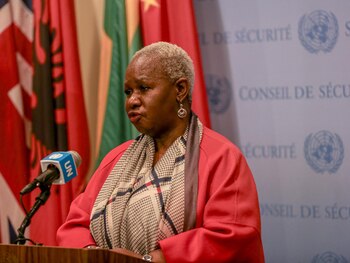
The Ongoing Struggle in Goma: A UN Mission of Solidarity and Assistance
Bintou Keita, the head of the United Nations Mission in the Democratic Republic of the Congo (MONUSCO), visited Goma, the capital of North Kivu province, on Thursday. This visit came in the wake of the city’s takeover in January by the insurgent movement known as the March 23 Movement (M23). This trip aims to assess the current situation on the ground and demonstrate the UN’s support for the local populace.
Keita emphasized her mission’s objective, stating, “I’m here to listen and express my solidarity with the people of Goma and the MONUSCO personnel. Their resilience is admirable.” This statement highlights her intention to not only visit but also understand the challenges faced by the residents as well as the UN soldiers stationed there.
Understanding the Context: The M23 Insurgency
The M23, primarily composed of Congolese Tutsis, seized control of Goma at the end of January 2023 during a violent offensive. Reports estimate that this armed conflict resulted in approximately 3,000 deaths and left around 2,880 individuals injured, according to UN assessments. The turmoil has not only disrupted life in Goma but also raised serious concerns regarding humanitarian crises in the region.
International Reaction: The situation has drawn international scrutiny, with growing calls for intervention and support. The rapid advancement of the M23 indicates severe instability in a country already plagued by years of conflict. Many are calling for an increase in peacekeeping forces to ensure the safety of civilians and assist with humanitarian relief efforts.
MONUSCO’s Mandate and Challenges
Keita is slated to spend three days in Goma, where she will meet with representatives from the Río Congo Alliance, an entity led by M23. The agenda includes discussing the key priorities of MONUSCO’s mandate, focusing particularly on the protection of civilians in this war-torn area. The discussions are critical in determining how the UN can effectively address the escalating violence and provide assistance to those affected.
Given the complexities of the conflict, MONUSCO faces significant challenges. The environment in Goma is highly volatile, and any negotiation efforts may be met with reluctance from both local and rebel factions. Moreover, accusations have emerged that Rwanda is supporting the M23’s activities, which adds another layer of complication to the peace efforts.
Humanitarian Crisis and Civilian Impact
The humanitarian crisis in Goma continues to worsen as the fighting drives thousands from their homes. According to reports, many people are unable to access basic necessities such as food, clean water, and medical services. As the situation deteriorates, NGOs and humanitarian organizations are finding it increasingly challenging to deliver aid to those in greatest need.
The plight of civilians remains dire, and addressing their needs must be a top priority for both MONUSCO and any international relief efforts. With a region that has witnessed decades of violence, ensuring the safety and well-being of the civilian population is crucial.
Future Possibilities and International Support
As Keita and her team engage in discussions about the future of Goma, it highlights the need for robust international support. Diplomatic channels must remain open as collective efforts are necessary to stabilize the situation in Goma and prevent further escalation of violence. Maintaining pressure on regional players and negotiating peace agreements are essential steps toward lasting peace.
In conclusion, the visit of Bintou Keita signifies a critical moment for Goma and the broader region of North Kivu. The ongoing violence poses serious threats not only to stability but also to the safety and well-being of countless civilians. International support, robust humanitarian efforts, and diligent peacekeeping will be vital as the community navigates these challenging times, seeking hope amid the struggle. The future remains uncertain, but the commitment to assist Goma’s residents should remain a global priority.