
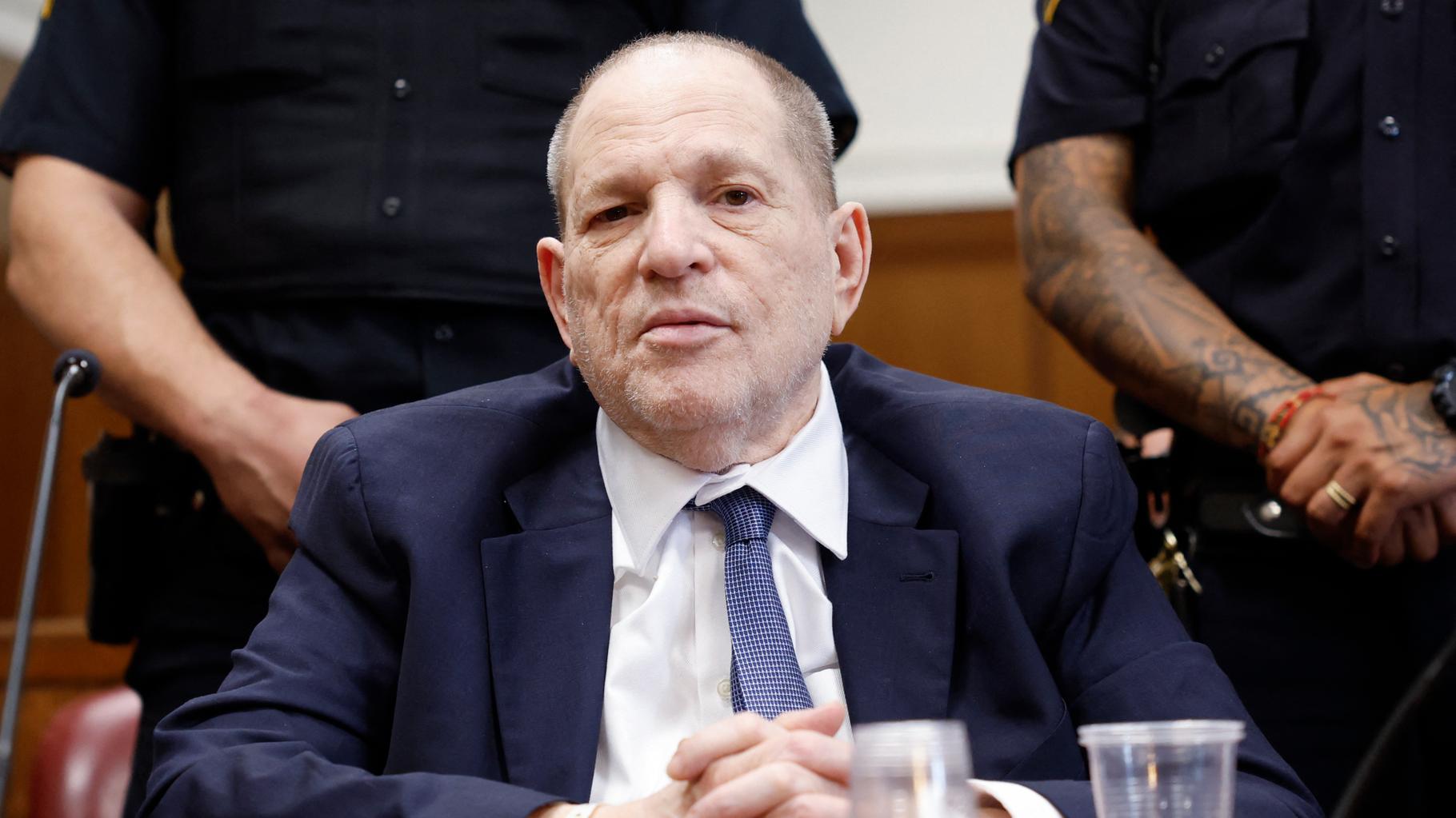
POOL / Getty Images via AFP
L’ancien producteur de films Harvey Weinstein comparaît pour son nouveau procès devant le tribunal pénal de Manhattan le 9 juin 2025 à New York.
The courtroom drama surrounding Harvey Weinstein , the former king of cinema, has captured the public’s attention once again as he faces a pivotal trial in New York. This trial, marking a significant moment in the #MeToo movement , has ignited intense debates and emotional responses not just within the courtroom but also among the public.
On June 9, 2025 , tensions escalated among jurors tasked with determining Weinstein’s fate after three days of deliberation . The prospect of an unanimous verdict seemed increasingly uncertain, raising concerns about a potential hung jury and the possibility of a retrial.
Weinstein stands accused of multiple sexual offenses, including forcing former production assistant Miriam Haley into non-consensual acts in 2006, and assaulting former model Kaja Sokola the same year. Furthermore, he faces allegations of rape against aspiring actress Jessica Mann in 2013.
Tensions in the Jury Room
During this high-profile trial, the jury faced internal turmoil. One juror expressed a desire to speak to Judge Curtis Farber , highlighting that “the situation is not going very well.” Reports suggest that disagreements arose as some jurors felt pressured by others to change their decisions based on factors unrelated to the court’s proceedings . Weinstein’s attorney, Arthur Aidala , vehemently argued that this constituted a “tainted jury,” seeking an immediate mistrial—an appeal that the judge denied.
Throughout the deliberations, the jury requested reminders from the judge regarding the full definition of reasonable doubt and the rules for reaching a unanimous verdict. They communicated the importance of avoiding a hung jury—a scenario where they cannot agree after extended deliberation, which would lead to a trial restart.
The tension escalated further when another juror previously sought to be excused from their duties, citing uncomfortable behavior from fellow jurors and describing the atmosphere as reminiscent of a “schoolyard.” This ongoing friction has drawn attention to the obstacles the jury faces as they try to arrive at a fair and just resolution in a case of monumental social significance .
The Road Ahead
As discussions continued, a glimmer of hope emerged when one juror reassured colleagues, asserting, “The tone is very different today. We are moving forward,” which elicited a sigh of relief from the judge. Although disagreements among jurors are common, they do not necessarily predict the trial’s outcome.
During this trial, the three key accusers recounted their harrowing experiences in graphic detail , sharing how they fell victim to Weinstein’s coercive tactics, often lured into his apartments or hotel rooms. The defense, however, sought to undermine their credibility by highlighting perceived inconsistencies in their stories and pointing out that some victims had continued to associate with Weinstein post-incident. Aidala asserted that any sexual encounters were consensual, framing them as instances of “ casting couch politics .”
As this gripping trial unfolds amidst HIV risks, media scrutiny, and mounting pressure from various advocacy groups, the stakes are incredibly high. With Weinstein already sentenced to 16 years in California for similar charges, he now faces additional legal battles, further complicating his fate. The world watches closely, awaiting the verdict of a case ripe with cultural implications that resonate far beyond the courtroom.
The intricate dynamics in this trial highlight not only the complexities of the legal process but also the broader societal implications surrounding sexual violence and accountability. As Weinstein’s case unfolds, it continues to serve as a catalyst for a much-needed dialogue about power, consent, and justice in today’s society .