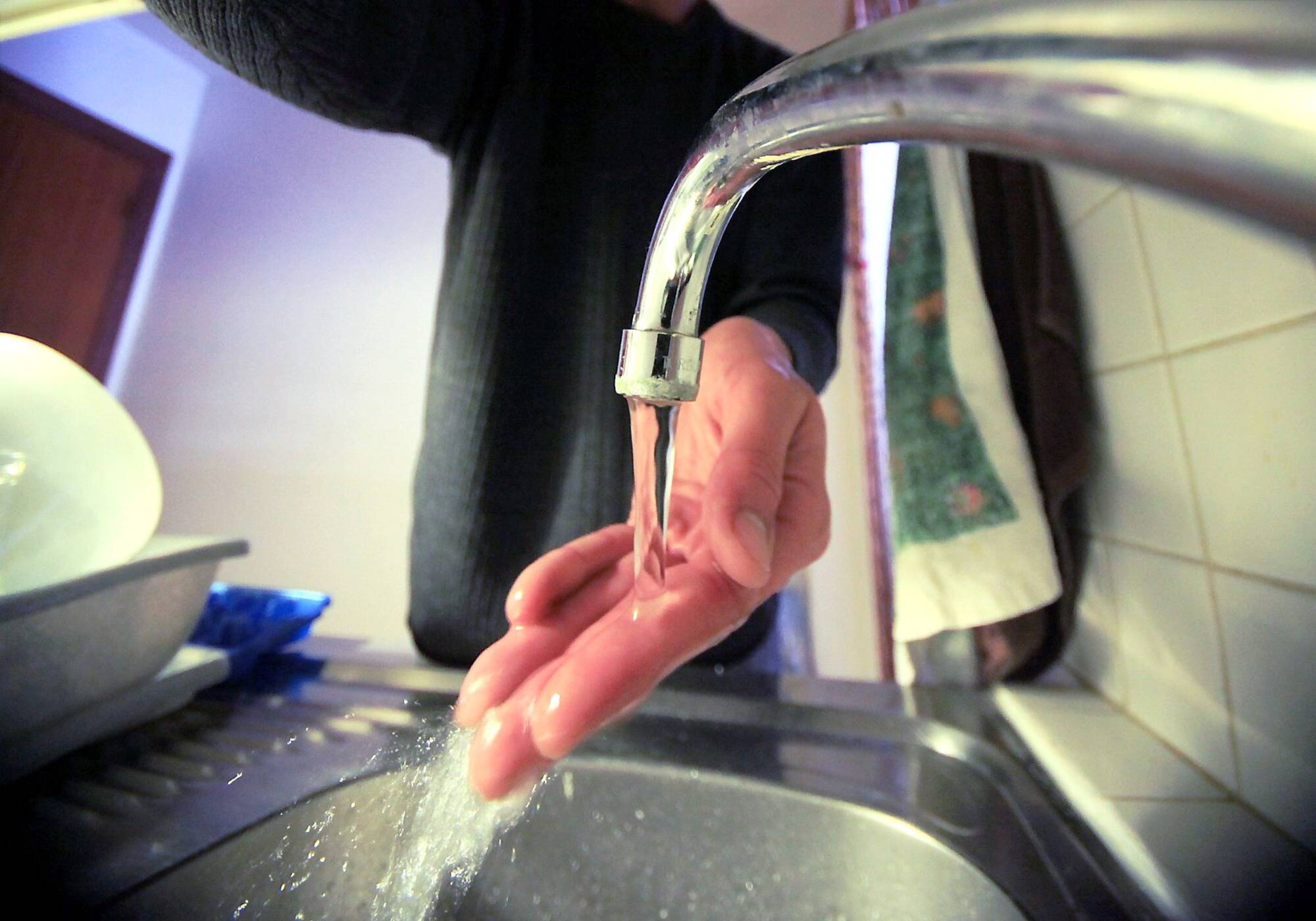
When a simple gesture in everyday life turns into a tragedy…
Before rinsing her sinuses with tap water from her camper van, this healthy 71-year-old American could never have imagined that it would be fatal.
In the days that followed, the septuagenarian experienced seizures, accompanied by fever and headaches. She was swiftly treated for primary amebic meningoencephalitis , a brain infection commonly referred to as the “brain-eating amoeba,” but unfortunately, she did not survive and passed away just a few hours later.
An Ongoing Investigation
This infection typically occurs after “recreational water activities.” In a recent report, the Centers for Disease Control and Prevention emphasized the importance of using distilled, sterile, or boiled and cooled water for nasal irrigation. This case underscores the potential dangers associated with seemingly mundane activities.
An investigation has been initiated and revealed that the drinking water tank in the vehicle had been filled prior to the purchase of the camper van, three months ago. However, the investigators have not ruled out that the municipal water supply – connected to the drinking water source and bypassing the tank – could be the source of contamination.
—
### Understanding the Brain-Eating Amoeba
The brain-eating amoeba , scientifically known as *Naegleria fowleri*, thrives in warm freshwater environments, such as lakes and hot springs. It is also found in poorly maintained swimming pools and can reside in contaminated tap water under certain conditions. Although infections caused by *Naegleria fowleri* are extremely rare, they are usually fatal, occurring when the amoeba enters the body through the nasal passages, often during water activities.
The symptoms of an infection may appear within 1 to 12 days after exposure and typically begin with severe headache, fever, nausea, vomiting, and stiff neck. As the disease progresses, symptoms may escalate to seizures, altered mental status, and ultimately, coma and death.
Preventive Measures
To minimize the risk of exposure to *Naegleria fowleri*, individuals should take specific precautions:
1. Use Distilled Water for Nasal Irrigation: Always opt for distilled or sterile water for procedures involving nasal irrigation. If neither is available, boiling water for at least one minute before cooling it down is advisable.
2. Avoid Recreational Water Activities in Warm Freshwater: Stay away from warm freshwater areas known to harbor *Naegleria fowleri*, particularly during the summer months when temperatures are likely to be warm.
3. Proper Pool Maintenance: Ensure swimming pools are maintained correctly, including proper chlorination and cleaning to minimize the risk of contamination.
4. Educate on Risks: Raising awareness about the risks associated with water-related activities can help prevent infections. Communities should be informed about safe practices when it comes to water use.
—
### The Broader Implications
This tragic incident highlights a broader public health concern. The CDC issues periodic warnings about the risks posed by *Naegleria fowleri*, especially during summer months when water temperatures rise and recreational activities increase. According to recent data, there have been around 150 known cases in the United States since the 1960s, but the very nature of this infection means it often goes unreported until it’s too late.
In the wake of this incident, health officials are likely to reinforce the importance of public awareness campaigns regarding safe water practices. Understanding the potential dangers of waterborne illnesses is critical, particularly as more individuals engage in recreational activities involving water.
Additionally, this case may prompt further investigation into municipal water supplies to ensure contaminants are not present. While local health departments often monitor water quality, unfortunate incidents like this can reveal gaps in safety protocols that need to be addressed comprehensively.
—
In summary, this tragic case of an American woman who succumbed to a brain-eating amoeba following a seemingly innocent act of nasal irrigation serves as a stark reminder of the potential dangers that lurk in untreated water sources. It calls for increased public awareness about safe practices when dealing with water, especially in recreational settings. The tragedy of her passing highlights the need for vigilance in maintaining water safety standards to prevent similar events in the future. Moving forward, both individuals and community health officials must prioritize education and preventive measures to protect everyone from avoidable health hazards.