
| IN BRIEF |
|
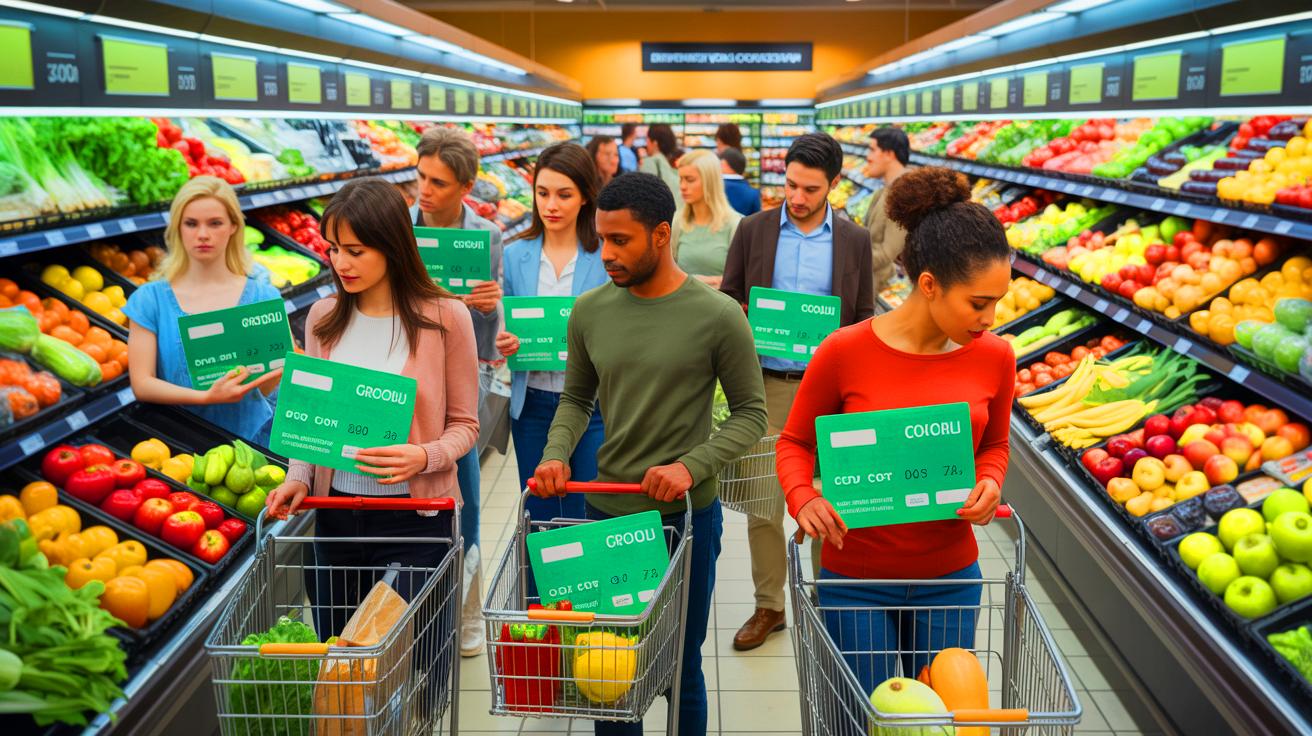
The “Vital Food Card” promises significant financial support to French households, offering a monthly allocation of 150 euros for grocery shopping. Proposed by ecologist deputy Charles Fournier, this measure aims to improve access to healthy food for all. As the cost of living continues to rise, this initiative is viewed as a potential solution to relieve financial pressure on the lowest-income households. It could also encourage more responsible eating habits and support the local economy.
A Financial Support for Quality Food
The creation of a “Vital Food Card” is a legislative proposal that could revolutionize access to quality food in France. Scheduled for examination on February 20, 2025, this measure would allow beneficiaries to purchase healthy food products without straining their budgets. With the continuous rise in food prices, this additional monthly support could be a genuine relief for many households.
According to a study by Crédoc, one in six people in France sometimes skips meals due to financial constraints. This alarming figure underscores the urgency for immediate action to combat food insecurity. Moreover, this aid could have a beneficial effect on the local economy by supporting farmers and local producers through the purchase of products from short supply chains. This initiative is part of a broader effort to promote sustainable and responsible eating.
This simple green fertilizer ends oidium attacks on zucchini, gardeners swear by it
What is the long-term impact on beneficiaries? To understand this better, ongoing experiments in France are providing critical data. In Bordeaux, for instance, 150 students received a monthly allocation of 100 euros in local currency for their food purchases from October 2023 to June 2024. These pilot projects are not only evaluating the immediate impact on eating habits but also providing crucial data to optimize the program ahead of a potential nationwide implementation.
Funding Modalities and Ongoing Experiments
The funding for this “Vital Food Card” relies on an innovative mixed economic model. According to RMC Conso, half of the required funds would come from a “Food Security Insurance,” while the remainder would be supplemented by local communities and voluntary citizen contributions. This distribution strategy aims to ensure the sustainability of the program without excessively burdening public finances.
Although the aid is still in the proposal stage, several French cities have already launched promising experiments. For example, in Bordeaux, 150 students were able to benefit from an allocation of 100 euros per month in local currency for food purchases. These pilot experiments allow for assessing the real impact of this aid on beneficiaries’ buying habits and budgets, providing vital data to adjust and optimize the program before potential nationwide application.
One of the major aspects of the initiative revolves around public health concerns. Charles Fournier emphasizes the direct link between food quality and healthcare costs. The idea is to redirect existing expenditures towards prevention by improving the quality of the French diet. Facilitating access to healthy and nutritious foods could yield long-term benefits for public health, such as reducing the incidence of diet-related diseases like obesity, type 2 diabetes, and cardiovascular issues.
Health and Social Stakes of Food Aid
Reducing the incidence of these conditions would lead to decreased costs for the healthcare system. Socially, this aid would help close food inequality gaps, granting everyone the fundamental right to appropriate nutrition.
“They swear by it”: Google purchase review service pushes companies to the top of the ranking
Looking ahead, while the idea of a 150-euro aid for groceries is met with enthusiasm, its large-scale implementation is fraught with questions. The government has yet to give the green light, and discussions are essential to define the precise modalities for its application. Dominique Nicolas, president of the Crepaq association, remains optimistic and regards this initiative as a return to the fundamentals of social security.
Several challenges remain to materialize this ambitious project. Ensuring the long-term economic viability of the system, determining eligibility criteria, and implementing control mechanisms to prevent misuse are all crucial tasks. A thorough reflection on the types of eligible products is also needed to ensure that the aid genuinely promotes healthy and sustainable eating. The success of this measure will depend on the ability of public authorities to embrace and adapt it to meet the real needs of citizens.
The “Vital Food Card” represents an innovative initiative to tackle food insecurity in France. If adopted, it could have positive repercussions on public health and the local economy. However, its implementation poses significant challenges. How will the government and stakeholders ensure that this aid reaches those who need it most while simultaneously guaranteeing healthy and sustainable food options? Addressing these questions will be vital for the initiative’s success.
The author utilized artificial intelligence to enrich this article.
Did you enjoy this? 4.5/5 (24)