
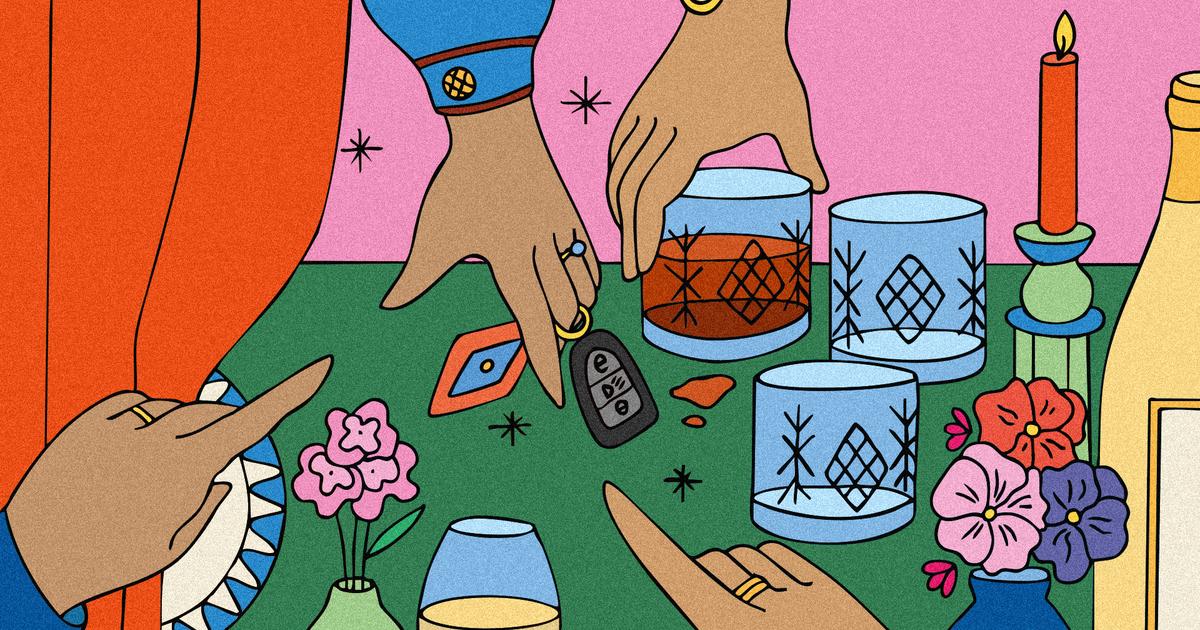
The Silent Struggles: Women’s Relationship with Alcohol
VERTIGE DE L’ALCOOL – In an era where our relationship with alcohol is increasingly scrutinized, we gather testimonies from women who have chosen to confront, navigate, or simply ease off on their drinking habits.
The shame of hangovers is a feeling we all understand, particularly women, who often face societal judgment more harshly than men. Statistics reveal men drink more frequently and in larger quantities across various age groups and social classes. Yet, women bear the brunt of societal scrutiny, as illustrated by Agnès, a 47-year-old married for over two decades. Upon returning to Paris after years abroad, she had to reconstruct her social network—often at the cost of tolerating less open-minded circles. “I vividly remember the first time I felt ‘watched’,” she recalls. It was three years ago at a dinner in Normandy during May, when someone opened a bottle of Chardonnay . Agnès reflects, “An unease settled in as I poured myself a glass. Was it wrong to enjoy a drink?”
Social Norms and Judgment
The current societal norms around drinking often carry unspoken rules. For women, taking the first sip at a social gathering can feel like a gamble. Reactions vary from judgmental glances to unsolicited comments, even if their male counterparts indulge without a second thought. Agnès’ experience resonates deeply with women across different walks of life, indicating a cultural double standard that many strive to navigate.
Another voice in this narrative is Marie, 32, who recalls a similar experience. “At my workplace, after-work drinks felt like a rite of passage. However, I noticed how the conversation changed when I opted for a soda instead of wine,” she shares. Marie describes feeling marginalized, emphasizing the peer pressure that many women face in social settings.
Rethinking Drinking
As conversations around mental health and lifestyle choices evolve, many women are reconsidering their relationship with alcohol. Mindfulness is taking center stage in these discussions. Some women are adopting a more conscious approach: tracking their consumption or even choosing to go alcohol-free for certain periods, like Sober October.
Rachel, a 29-year-old graphic designer, took a 90-day break from alcohol. “I wanted to discover life without it. To my surprise, I felt more energized, focused, and productive,” she reveals. This newfound clarity prompted Rachel to re-evaluate not only her drinking habits but also her overall lifestyle choices.
The Role of Support Networks
Support systems are crucial for those embarking on a journey toward healthier drinking habits. Many women find solace in support groups or community forums, where they can discuss their experiences without judgment. These platforms foster honesty and open dialogue, allowing participants to share breakthroughs and setbacks alike.
“Sharing my journey with others made me realize I wasn’t alone,” says Claire, 45, who turned to a local support group after encountering judgment from friends. “I found women who understood what I was going through; together, we’ve built a supportive network that motivates us to make healthier choices.”
Visibility and Representation
Visibility plays a crucial role in affecting change within societal dynamics. Women like Agnès and Rachel challenge common misconceptions and provide a voice for those looking to redefine their relationship with alcohol. Their stories help dispel myths surrounding female drinking habits and reduce the stigma attached to choosing an alcohol-free lifestyle.
The entertainment industry has also begun to reflect this change, with increasingly diverse portrayals of women in leading roles—many of whom navigate complex relationships with alcohol. This growing representation contributes to a broader understanding of the struggles women face and encourages open discussions where their experiences are normalized.
Conclusion
As the conversation surrounding alcohol consumption evolves, it invites more women to reflect on their relationships with it. Through shared experiences and newfound awareness, they discover that it is not about the quantity consumed but rather about making conscious choices that contribute to mental wellness and a fulfilling lifestyle. The journey towards understanding one’s drinking habits may be paved with challenges, but the support and inspiration from other women can make all the difference. Listening to their voices creates a pathway to a society where women can proudly embrace their choices without fear of judgment, fostering a healthier culture surrounding alcohol.