
| IN BRIEF |
|
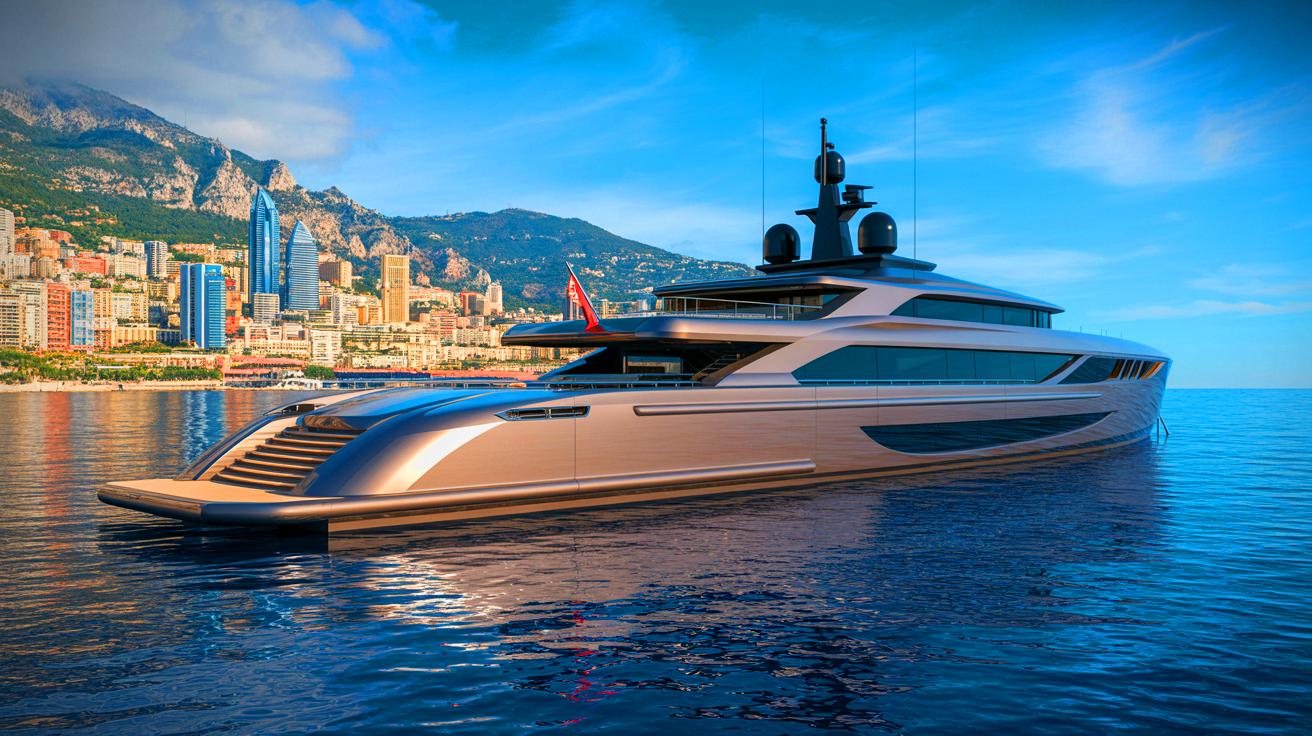
The recent appearance of Jeff Bezos’ mega-yacht Koru in Monaco has certainly attracted attention. Although the billionaire aimed to attend the prestigious Formula 1 Grand Prix, his towering vessel was denied permission to dock in the principality’s port. This refusal underscores the challenges posed by such large ships—not only from a port infrastructure standpoint but also regarding ecological impact. This incident raises questions about the compatibility of ostentatious luxury with modern environmental constraints.
The Size of Koru: A Challenge for Ports
Measuring an impressive 127 meters in length with masts towering at 70 meters , Koru stands as a veritable giant of the seas. Its size is comparable to that of a football field, making it a challenge for many ports worldwide. In Monaco, where every square meter is at a premium, accommodating such a colossal vessel becomes practically impossible. Port authorities, keen on maintaining the smooth operation of the marina, requested that Koru remain at sea. This decision piqued the curiosity of onlookers at the Grand Prix and marine enthusiasts alike.
A ship of this size necessitates appropriate infrastructure , both for docking and supply replenishment. However, very few ports can accommodate such vessels without disrupting their normal operations. Despite being anchored just a few hundred meters from the port of Monaco, Koru captured the attention of those nearby, illustrating the difficulty of reconciling nautical gigantism with port realities.
The Maritime Adventures of Jeff Bezos
Unable to dock, Jeff Bezos and his partner Lauren Sanchez resorted to a modest dinghy to reach Monaco. This shift in transportation, far removed from their usual lavish style, did not dampen their experience in the principality. The couple could still attend Grand Prix events under favorable conditions, highlighting Bezos’ undeniable influence, even when his yacht is sidelined.
This scenario is not an isolated incident for the tech magnate. In other prestigious locations, such as Venice, the dimensions of Koru pose significant issues. Local authorities have warned Bezos that his yacht will not be able to access the city’s canals, emphasizing the practical boundaries of owning such a vessel. Nonetheless, this has not deterred the couple from continuing their travels along European coastlines aboard their impressive ship.
An Environmental Irony?
Interestingly, while Lauren Sanchez was recently honored for her ecological efforts at the Global Gift Gala in Cannes, the use of Koru raises certain questions. Although the yacht is equipped with three sails, it frequently resorts to a diesel engine for propulsion, inevitably impacting the environment. This contradiction between eco-friendly rhetoric and actual practice illustrates the challenges public figures face, often torn between luxury and environmental responsibility.
The presence of Koru along the Mediterranean coasts, especially in Spain and France, emphasizes this duality. Navigating the joys of sailing one of the world’s most luxurious yachts while simultaneously needing to reduce one’s carbon footprint presents a delicate balancing act for the Bezos couple. This precarious equilibrium poses a question about the future of mega yachts in an era where environmental consciousness is increasingly becoming a public concern.
Luxury on the High Seas Confronted with Realities
Owning a mega-yacht like Koru signifies a display of power and affluence. However, such ostentatious maritime luxury collides with contemporary realities, whether logistical or environmental. Recent incidents spotlight the challenges that owners of these vessels face, both in terms of navigation and public perception.
As environmental concerns continue to gain traction, how will billionaires around the globe adapt their lifestyles to meet these new standards? The answer to this question could very well shape the future of luxury yachting and define the role these giants of the sea will play in society moving forward.
Additionally, the interplay between wealth and societal duty raises lingering questions about the sustainability of maintaining such lavish assets in a world increasingly geared toward ecological balance.