
| IN BRIEF |
|
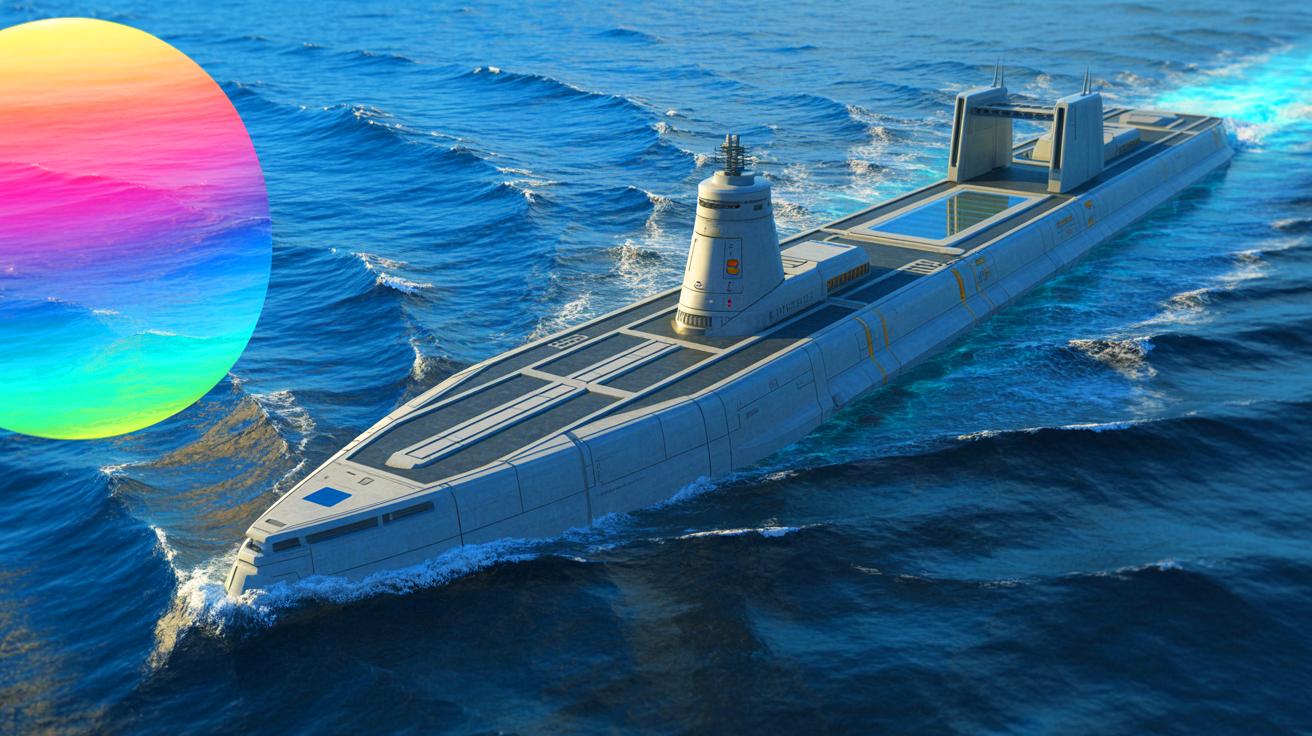
The maritime sector is undergoing a radical transformation thanks to the integration of nuclear technologies , aimed at enhancing the efficiency and sustainability of maritime operations. An extraordinary collaboration among Deployable Energy, Seatransport, and Lloyd’s Register is working to develop ships equipped with micromodular nuclear reactors . These vessels, capable of operating without refueling for ten years, promise to revolutionize the industry by offering unprecedented energy autonomy. This innovative project could not only transform maritime transport but also play a crucial role in rescue operations at sea and the energy supply to affected regions.
The Innovation at the Heart of the Project
At the center of this innovative initiative is the use of micromodular nuclear reactors , which promise an unparalleled energy autonomy. These reactors, each with a capacity of 1 MWe, will enable 73-meter-long rescue ships to undertake extended missions without interruption. By integrating between two to five of these reactors, the ships will not only be able to stay at sea for extended periods but can also provide electricity to coastal areas in distress when docked.
The energy autonomy offered by these technologies represents a significant advantage for crisis-hit regions, often grappling with power outages. This ability to provide reliable and sustainable energy to stricken areas is crucial, making these ships vital for humanitarian missions. Furthermore, the adoption of nuclear energy in the maritime sector could drastically reduce greenhouse gas emissions , facilitating a transition toward more sustainable practices.
The Contribution of the Partners
Each company involved in this project plays an essential role in its realization. Deployable Energy , based in Houston, provides its compact Unity Nuclear Battery of 1 MW, designed to fit within a standard 20-foot container. This technology promises to be more cost-effective and environmentally friendly than traditional diesel solutions while offering exceptional operational flexibility.
Seatransport , an Australian company specialized in ship design, brings its expertise by providing detailed plans for the rescue vessels. With over four decades of experience, Seatransport ensures that the designed ships are at the forefront of technology and meet the complex requirements of this ambitious project. Their naval engineering expertise is crucial for the safe and efficient integration of the nuclear reactors.
The Role of Lloyd’s Register in Maritime Innovation
Lloyd’s Register, a major player in the maritime and nuclear fields, plays a pivotal role in this project by establishing new safety and regulatory standards for nuclear ships. Their 2024 report has already highlighted the potential of nuclear energy to transform maritime transport, in collaboration with industry giants like Core Power and AP Moller-Maersk.
By integrating Microsoft Azure’s Open AI capabilities, Lloyd’s Register aims to enhance regulatory processes, ensuring that nuclear technologies are used safely and responsibly. This innovative approach demonstrates their commitment to integrating cutting-edge technologies to ensure safety and efficiency in maritime operations. The organization hopes that these new standards will encourage broader adoption of nuclear energy in the maritime sector.
Future Perspectives and Implications
The perspectives offered by these nuclear ships are immense, with the potential to reduce dependence on fossil fuels and increase the operational efficiency of ships. This technology could significantly extend the lifespan of vessels and provide a sustainable solution to current environmental challenges. However, its implementation requires overcoming substantial challenges related to safety and regulation.
The project partners will need to collaborate closely to ensure all safety standards are met, both for crews and the environment. As the project evolves, it presents a crucial question: how can nuclear advancements be safely and effectively integrated into the maritime sector to address the growing needs for sustainability and energy security?
Overall, the integration of nuclear technology into maritime operations presents a promising avenue for addressing global energy challenges while enhancing safety and environmental responsibility. This partnership marks a significant step towards a sustainable maritime future.