
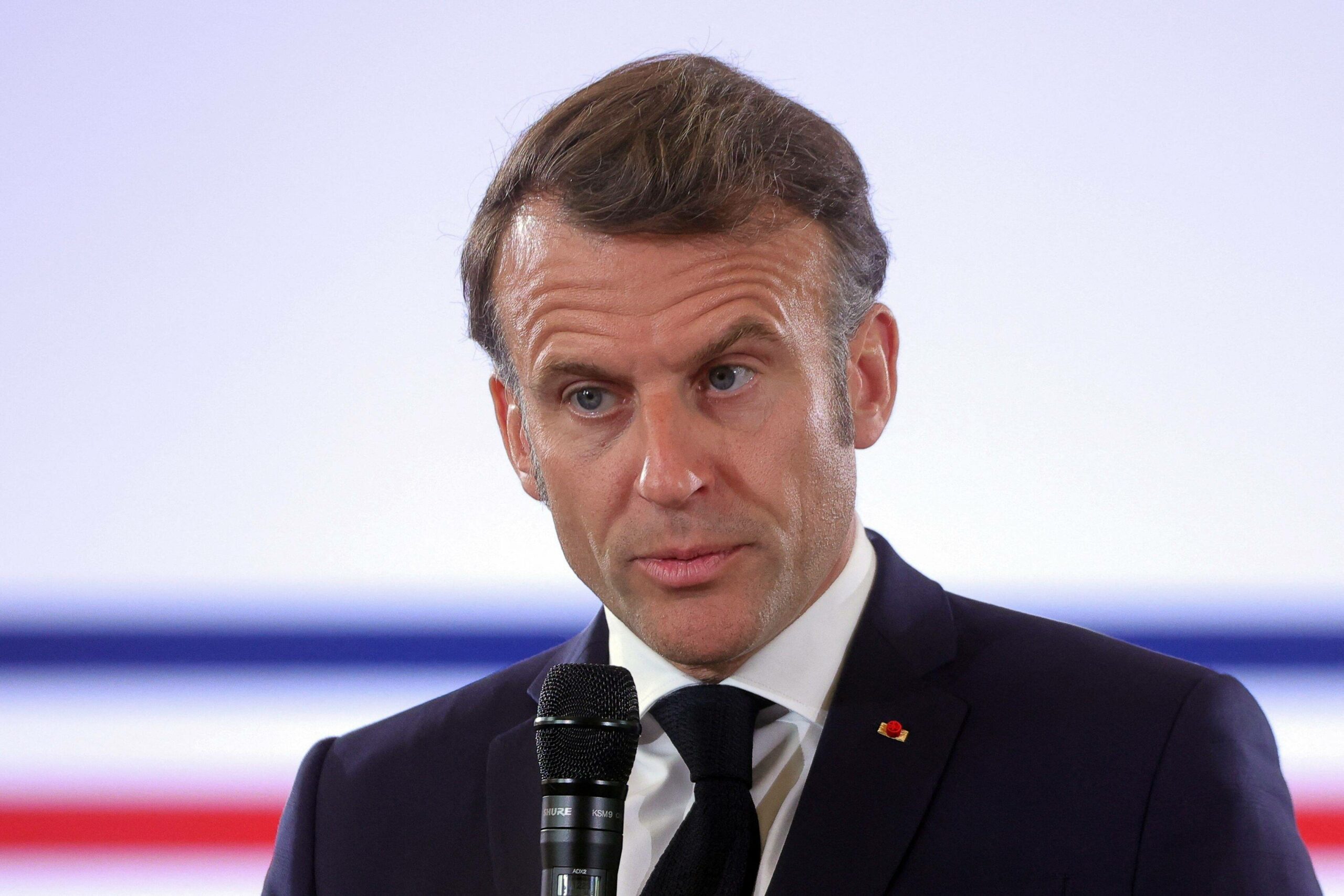
The Future of Our Oceans: Insights from Emmanuel Macron at the UN Ocean Conference in Nice
The recent United Nations Ocean Conference in Nice saw French President Emmanuel Macron address critical issues facing the world’s oceans and the urgent need for action against climate change. In an informative discussion with journalists from *Nice-Matin* and other regional press, Macron’s comments resonated across various environmental sectors.
### A Call for Sustainable Practices
President Macron emphasized that sustainable practices must be at the forefront of ocean conservation efforts. “We cannot afford to treat the ocean like the Wild West,” he stated, advocating for the establishment of rigorous global regulations aimed at protecting marine biodiversity. The ocean, as Macron pointed out, is not just an ecological resource but a vital part of our planet’s health. Its preservation could significantly impact the global economy and local communities that rely on it for their livelihoods.

### The Intertwined Nature of Social and Environmental Issues
While addressing the pressing issues surrounding marine conservation, Macron also raised concerns about domestic policies, specifically the suspension of MaPrimeRénov,’ a scheme aimed at making energy-efficient renovations more accessible. “This is not the time to create uncertainties about the initiatives we have put in place,” he reiterated, emphasizing that social and environmental issues are deeply intertwined. The impact of neglecting either can have long-lasting effects on France’s developmental trajectory.
### Rejecting Detractors: An Environmental Legacy
Macron did not shy away from criticizing those who have always challenged his environmental policies. He described the recent backlash against ecological measures, such as the abrogation of low-emission zones (ZFE) by the National Assembly, as a “democratic betrayal.” These zones were established based on recommendations from the Climate Convention, which aimed to curb pollution and improve air quality. Macron defended his stance strongly, calling the dismantling of such laws a “historical mistake.”
### The French Approach to Ecology
While emphasizing the importance of a robust ecological framework, Macron positioned himself as a leader of a unique French approach to environmentalism—one that is not punitive but rather seeks to engage citizens and communities. He stated, “*We need an ecology that is not seen as a burden but as part of our everyday lives.*” This thinking represents a crucial shift in how environmental policies are communicated and adopted across the nation. A collaborative approach could lead to wider public acceptance and implementation of ecological initiatives.

### The Global Challenge of Climate Change
As France takes the lead in addressing oceanic challenges, Macron acknowledged that climate change is a global issue that requires collective action. He pointed out that while countries are making strides toward progress, the journey remains uneven and fraught with difficulties. “*Transformations are taking place, albeit haphazardly, in all nations,*” he noted.
The ocean conservations efforts discussed at the UN conference have far-reaching implications, reminding us that the challenges we face require more than just national initiatives. Global cooperation is essential to achieve sustainable outcomes.
### The Importance of Education and Awareness
During his discourse, Macron touched upon the need for greater education and awareness surrounding ocean conservation. He encouraged everyone to engage in dialogues about marine ecosystems and the actions needed at both local and global scales. “We cannot protect what we do not understand,” he insisted, indicating that ownership and responsibility toward the ocean must start in communities and educational institutions.

### Looking Ahead: The Road to Conservation
As the conference concludes, Macron’s clarion call for stronger regulations, combined with a collaborative approach to ecological responsibility, paves the way for future initiatives. Fostering a sense of shared responsibility towards the ocean can inspire action that transcends borders, aligning individual countries with a shared mission for environmental stewardship.
The world’s oceans are in peril, and, as Macron suggests, it’s imperative that nations mobilize to safeguard this invaluable resource for generations to come. By prioritizing sustainable practices and fostering an inclusive dialogue about ecology, we can ensure that our oceans, and the life they nourish, continue to flourish.
In summary, Emmanuel Macron’s insights at the UN Ocean Conference not only highlighted the urgent need for global action on ocean preservation but also reflected his commitment to a balanced approach to environmental and social policy. His call for cooperative governance and sustainable practices resonates with the growing realization that our collective future is inherently tied to the health of our oceans. While challenges remain, the path forward lies in unity, education, and a relentless pursuit of ecological integrity.