
Afyonkarahisar Celebrates Kurban Bayram with Official Ceremony
Afyonkarahisar Province organized a Kurban Bayram celebration event at the historic Taş Medrese , gathering local authorities and esteemed guests. This year’s celebration took place on the second day of the holiday, showcasing the importance of community and unity during such festive occasions.
The event was attended by Kübra Güran Yiğitbaşı , the Governor of Afyonkarahisar, along with various city officials, including Hafize Özmen , the Deputy Mayor of Afyonkarahisar, and members of the Parliament from the AK Party , such as Ali Özkaya, İbrahim Yurdunuseven, and Hasan Arslan . The event also saw participation from MHP Afyonkarahisar Deputy Mehmet Taytak , Tuğgeneral Fatih Dağlı , the Commander of the Supply and Garrison, Fatih Karabacak , the Chief Public Prosecutor, and notable University Rectors like Mehmet Karakaş from AKÜ and Nurullah Okumuş from AFSÜ .
The Importance of Commemoration Events
In preparation for the holiday, Afyonkarahisar Governorate released an official program outlining the activities for the Kurban Bayram. This program included invitations extended to veteran families and martyrs’ relatives , underlining the essence of remembering those who have sacrificed for the nation.
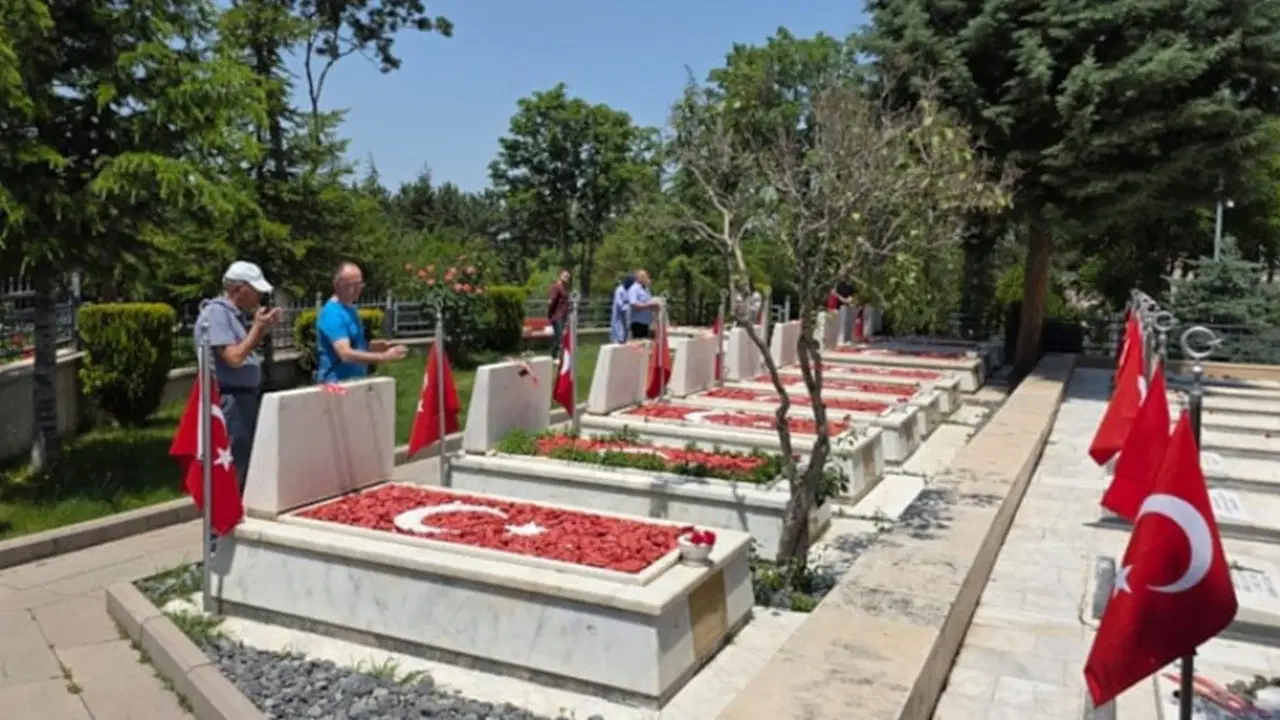
Part of the official events included visits to significant sites like the Afyonkarahisar Central Air Martyrs’ Cemetery and the Police Martyrs’ Cemetery . These locations hold great symbolism and serve as poignant reminders of the sacrifices made by the nation’s heroes.
Muted Protest from Families of Martyrs
In a noteworthy turn of events, several families of martyrs staged a silent protest during the celebration. According to a report by Sözcü , the cemeteries, which contain a total of 35 martyr graves (33 of whom were soldiers and 2 were police officers), became a site of reflection and sorrow for these families, instead of a venue for celebration.
As the Kurban Bayram festivities were underway in Afyonkarahisar, the families of the martyrs and veterans did not attend the official ceremony, choosing instead to boycott the event in protest. This decision emphasized their discontent with issues surrounding acknowledgment and respect for their loved ones’ sacrifices.
A Controversial Iftar Incident
This sentiment of unrest was further fueled by recent events surrounding a dinner held by the Afyonkarahisar Governorate for the families of martyrs. During this gathering, Mehmet Taytak , an MHP lawmaker, faced backlash after addressing Abdullah Öcalan as “beyefendi” (gentleman), which deeply offended the families present. The situation escalated, leading to security intervention by the Governor’s bodyguards.
The contrast between celebratory events and the deep-rooted grievances held by affected families highlights the ongoing challenges the nation faces in addressing the memory and honor of those who have given the ultimate sacrifice.
The Significance of National Holidays
Kurban Bayram , also known as the Festival of Sacrifice, holds significant cultural and religious importance in Turkey. It symbolizes unity, sacrifice, and compassion , values that resonate deeply within the fabric of Turkish society. Each year, it offers an opportunity for citizens to come together, share meals, and engage in charitable acts.
However, as seen in Afyonkarahisar, the complexities surrounding these celebrations can sometimes overshadow their intended messages of joy and togetherness. The respect for veterans and their families should be a priority during these national holidays. It serves as a vital reminder of the responsibilities the nation holds towards those who have served.
As Turkey continues to grapple with social and political issues , the need for open dialogues and empathetic understanding becomes even more crucial. Recognizing sacrifices made by soldiers and police officers through meaningful commemorative events helps in fostering a sense of community, healing, and above all, remembrance.
The juxtaposition of joyous celebrations such as Kurban Bayram alongside the somber reflections held by martyrs’ families serves as a powerful reminder of both the joy and sorrow intertwined in national identity. Moving forward, fostering an environment of inclusion for all citizens will be essential in strengthening community bonds and ensuring that everyone feels respected and honored.
In conclusion, the events surrounding this year’s Kurban Bayram in Afyonkarahisar illustrate both the joy of celebration and the weight of remembrance that comes with it. While festivities bring communities together, it is imperative that the voices of those affected by loss, particularly families of martyrs, are heard and recognized. This balance between celebration and remembrance is vital for fostering unity and compassion in society.