
The World’s Tallest Statue of Jesus: A Vision from Armenia
A Surreal Sight in Zovuni
Travel to Zovuni, a village nestled in Kotayk, Armenia, and you may find yourself questioning reality. Enclosed by a metal fence, visitors are greeted by an enormous figure of Christ—only the trunk, however, as the statue remains incomplete, with its sections scattered throughout the area like pieces of a grand puzzle.
This surreal landscape looks almost artificial, resembling an image generated by AI rather than a real construction project. But it is, in fact, the ambitious dream of Gagik Tsarukyan, an Armenian tycoon aiming to create the largest statue of Jesus in the world.
Gagik Tsarukyan: A Man with a Dream
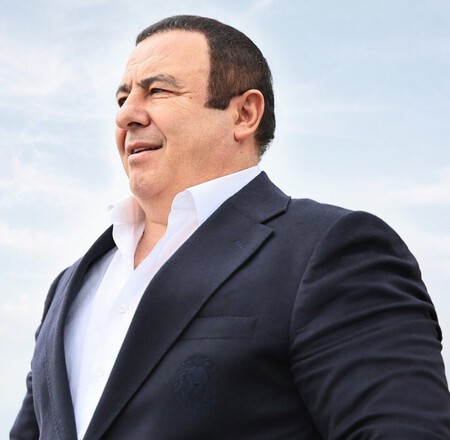
Gagik Tsarukyan, 69, is not just any businessman; he is a former world arm wrestling champion and a noted politician. His wealth and influence guarantee his place in Armenian history, but he’s determined to be remembered for something more grand: a colossal statue of Jesus Christ, planned to reach a height of 77.5 meters, which, combined with its pedestal, would total approximately 101 meters.
A New Icon for Armenia
Tsarukyan’s aspirations go beyond mere dimensions. He envisions a monument that will outdo renowned statues like Christ the Redeemer in Rio de Janeiro and Christ the King in Poland. He has chosen Mount Hatis, a significant and biodiverse site at an elevation of 2,500 meters, overlooking Yerevan, as the ideal location for his visionary statue.
Construction Progress and Public Interest
This ambitious project has already moved beyond the drawing board. The sculpture sections, made from aluminum and divided for easier assembly, are near completion. Reports indicate that workers are actively progressing with the base on Mount Hatis, while the statue segments await assembly in Zovuni. The surreal sight has begun attracting curious tourists, with local guides incorporating the site into their itineraries.
Controversy Surrounding the Project
Despite the project’s promise, it has not been without controversy. Initially piqued, local authorities saw potential in the project for tourism. However, after damage allegations surfaced regarding a nearby ancient fortress, Tsarukyan was forced to relocate the statue’s base, leading to a temporary halt in construction. Yet, with modifications approved, work on the foundation resumed in September 2025, aiming for completion by 2027.
Environmental and Religious Concerns
Opposition to Tsarukyan’s vision stems from environmental activists and the Armenian Apostolic Church, both of whom express serious reservations. Critics argue that the construction could destroy the ecological balance of Mount Hatis. The church views the statue as inconsistent with Armenia’s religious heritage, emphasizing that the tradition prefers symbolic representations like Khachkars, intricately-carved stone crosses, over physical statues.
The Man Behind the Monument
Beyond his monumental aspirations, Tsarukyan is a character as large as his projects. Known for his eccentricities, his attempts in politics have met with limited success, and he has often been described in extravagant terms. Visitors to his private zoo in Yerevan can witness firsthand his collection of exotic animals, including tigers and alligators.
Adding to his list of remarkable plans is a proposed giant replica of Noah’s Ark, projected to be 134 meters long, featuring a museum and accommodation. Tsarukyan describes these ventures as sacred, claiming they are meant to preserve his legacy.
Conclusion: A Quest for Legacy
While his statue of Jesus promises to be a towering symbol for Armenia, the various concerns regarding its construction and the feuds it sparks indicate that Tsarukyan’s journey won’t be a smooth one. As plans unfold, they shine a light not just on one man’s vision but also on the intricate layers of culture, belief, and aspiration that characterize Armenia as a nation. Whether Tsarukyan’s ambitions align with the hearts of the people or are deemed excessive remains to be seen in the unfolding narrative of this remarkable project.