
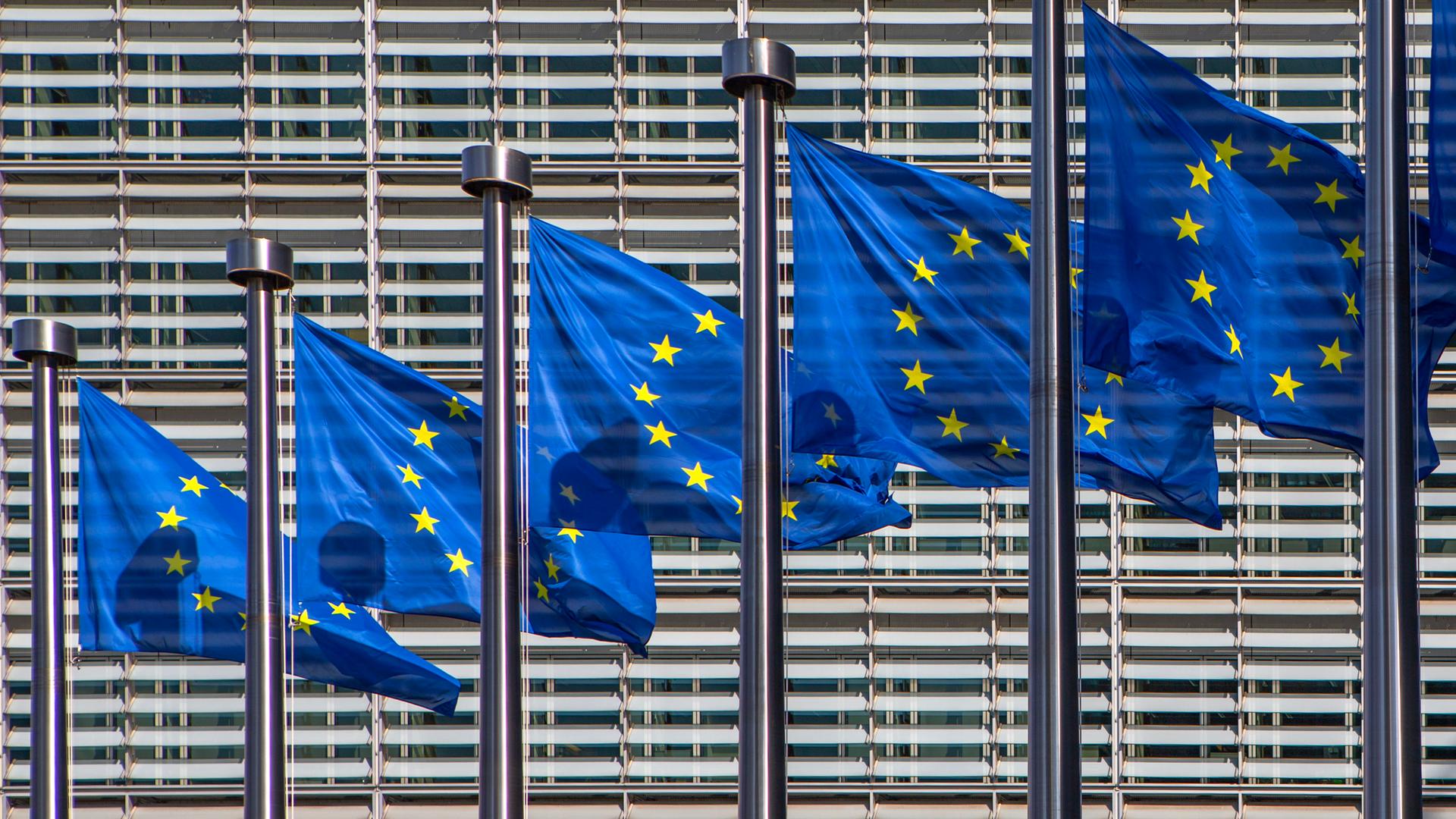
Recent reports have revealed a controversial collaboration between EU officials and activist groups , raising eyebrows over possible ethical breaches. This alliance had a singular focus: to effectively influence public opinion regarding the European Union’s climate policies . Notably, it involved the allocation of millions in taxpayer funds to achieve these objectives.
For instance, the non-governmental organization ClientEarth was tasked with embroiling German coal power plants in legal battles, aimed at enhancing the “ financial and legal risks ” of plant operators. Meanwhile, the group Friends of the Earth was allegedly commissioned by EU officials to fight against the free trade agreement known as Mercosur , which links Europe and South America. Other organizations received funding to sway EU lawmakers ahead of votes on matters relating to pesticides and chemicals .
“Breach of the Principle of Separation of Powers”
Documents from 2022 detailed expectations from the EU Commission regarding the activists’ deliverables in return for funding. This included a specified number of lobby letters , social media outreach, and meetings with Members of the European Parliament .
Politicians such as CDU’s Pieper have argued that these actions represent a clear violation of the separation of powers . According to them, the EU’s executive branch was covertly attempting to influence the legislative arm through these activist collaborations. Furthermore, the vice-chair of the FDP and EU parliamentary member, Hahn , voiced concerns that public perception is now skewed. Citizens are left with the impression that the Commission uses taxpayer funds merely to promote viewpoints it prefers, thereby significantly undermining trust in European institutions.
This situation has sparked considerable public debate and scrutiny. Many citizens are questioning the role of government funding in shaping policy, especially in such a delicate area as climate change . The intertwining of financial support with specific political agendas raises ethical concerns about accountability and transparency within governmental processes. As activists increasingly lobby for what they deem necessary reforms, the potential for manipulation becomes alarmingly high.
In the eyes of critics, this method of operation undermines the objective of democracy, which relies on balanced representation and public discourse. With substantial resources now devoted to achieving narrow objectives, the complexity surrounding climate policies only intensifies. Critics suggest that while climate action is undeniably urgent, the means by which it is pursued must remain above board.
Amidst this backdrop, questions are being raised about the impact on the EU’s reputation , both at home and on the global stage. The Union is known for advocating democratic principles and the rule of law. This revelation contradicts those very values, creating a public relations crisis that could have lasting effects. As the EU navigates the intricate challenges posed by climate change, maintaining public trust is essential for success in these initiatives.
Given the complexity of climate issues and the varied viewpoints across member states, it is crucial to navigate these discussions with care and integrity. Governments and activists alike must engage in open dialogues to ensure that differing opinions are echoed and represented fairly and responsibly.
The recent findings published by Deutschlandfunk have created waves, emphasizing the need for both oversight and transparency in the funding of activist movements by governmental bodies. As the dialogue continues, stakeholders from all sides must prioritize integrity and accountability to foster an environment where public trust can thrive.
The culmination of concerns raised by these revelations serves as a stark reminder of the need for vigilance in ensuring governmental entities act within ethical and moral guidelines, respecting the foundations upon which democracy stands.
General News – 2