
Tragic Loss in Gölbaşı: The Dangers of Ticks
On a regular day in Gölbaşı village, located in the Zara district of Sivas, tragedy struck when Yavuz Vural, a 38-year-old father of two, discovered a tick clinging to his body about ten days ago. Ticks, often overlooked in rural settings, can carry deadly diseases that pose significant risks to human health.
Mr. Vural decided to remove the tick himself, believing it was a minor inconvenience. However, shortly after this incident, he began to feel unwell, prompting his concerned family to rush him to the Sivas Cumhuriyet University Medical Faculty Hospital for further examination and treatment.
Desperate Measures: Intensive Care
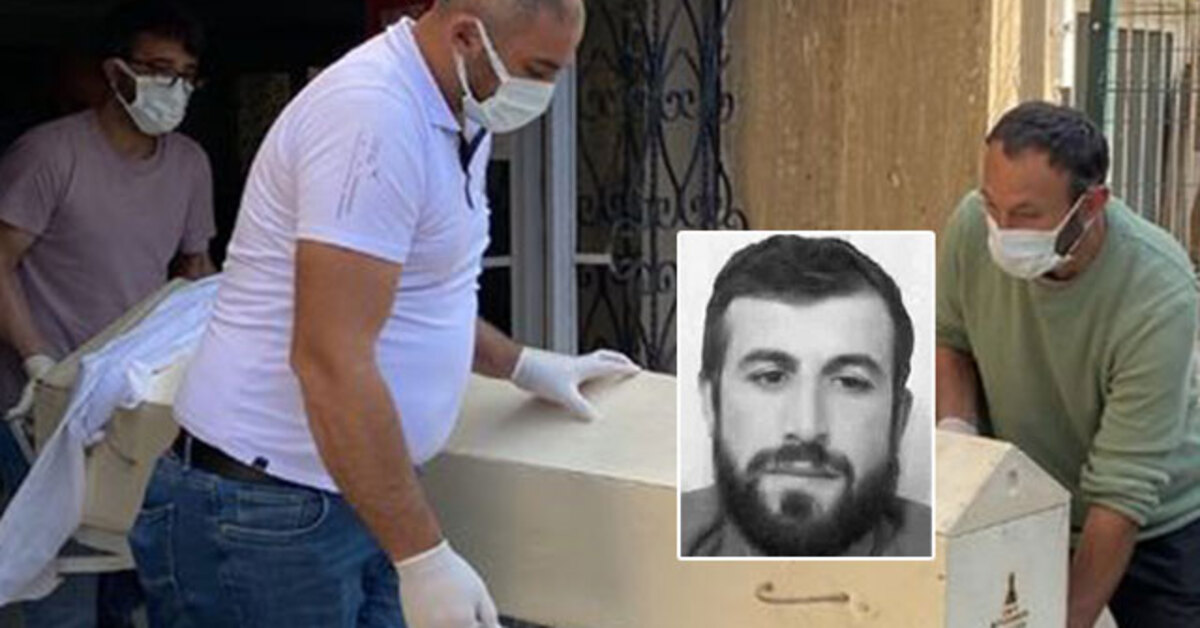
Upon arrival at the hospital, Yavuz Vural was immediately placed in the intensive care unit. Despite the medical team’s best efforts and several interventions aimed at saving his life, he unfortunately succumbed to complications linked to the tick bite. This news was a devastating blow to his family, who were left to grapple with their sudden loss. Following his passing, Yavuz’s body was prepared for burial. His family brought him back to Gölbaşı village for the final rites that morning, deeply mourning the loss of a husband and father.
This incident not only emphasizes the dangers of tick-borne diseases but also highlights the lack of awareness surrounding them, especially in rural areas where such encounters are more common. The severity of tickborne illnesses can escalate quickly and can often be fatal if not treated promptly.
A Community in Mourning
This tragic event does not stand alone, as the region has experienced rising incidences of tick-related fatalities this year. Yavuz Vural marks the fifth known death in Sivas due to Crimean-Congo Hemorrhagic Fever (CCHF), a severe viral infection transmitted by ticks. Local health officials are now on high alert as the number of cases continues to rise, causing widespread concern within the community.
Each loss serves as a stark reminder of the potential perils of nature, particularly during warmer months when ticks are more active and pose a heightened risk to residents. Many citizens remain unaware of the precautions they should take to protect themselves from these potentially deadly parasites.
Additional Tragedy: Another Life Lost
In an unfortunate twist, the loss of Yavuz Vural was compounded by another death linked to tick exposure just four days earlier. Mahmut Ağcabal, an 80-year-old man, also fell victim to a tick bite, leading to his tragic passing. His family, much like Vural’s, is now faced with heartache and disbelief as they prepare for his burial in Karaçam village, located within the Koyulhisar district.
Both incidents showcase an alarming trend and demonstrate the urgent need for community education on tick prevention and awareness. It is critical for individuals, especially those living in rural areas, to be aware of their surroundings and to take precautions when spending time outdoors.
Raising Awareness: A Community Response
Following these distressing events, local health authorities are advocating for increased awareness regarding tick bites and their potential implications. Community workshops are being organized to educate residents about the proper preventive measures such as wearing long sleeves, regular body checks after outdoor activities, and understanding the symptoms of tick-borne diseases.
Educational brochures and resources are also being distributed to help families recognize the signs of tick bites and the actions to take if they are bitten. Moreover, health professionals emphasize the importance of seeking medical attention promptly if one encounters any symptoms following a tick bite, such as fever or rash.
The community is rallying to support one another through these troubling times, while also encouraging open discussions about health, safety, and prevention.
It is crucial for rural communities to unite in the face of these adverse circumstances, ensuring that such tragedies do not repeat themselves. Open dialogues about lessons learned from these unfortunate events can lead to better preparedness and, hopefully, a decrease in tick-related illnesses in the future.
In this time of sorrow, the shared memories of those lost linger, emphasizing the need for collective action and awareness.