
Traffic Insights During Kurban Bayram in Istanbul
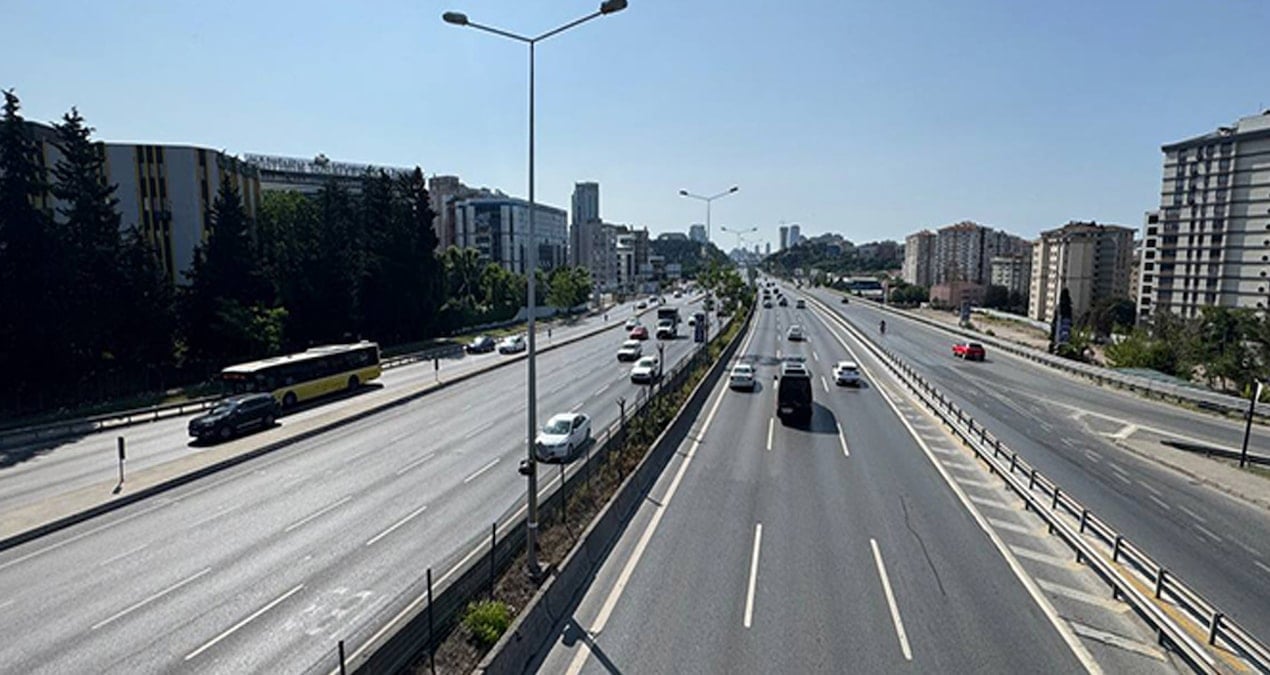
The onset of Kurban Bayramı , a major religious holiday in Turkey, heralds a remarkable transformation in the bustling city of Istanbul . As families embark on their journeys to celebrate, the streets, typically plagued by heavy congestion, undergo a striking metamorphosis. On the second day of the holiday, traffic congestion plummeted to a mere 4% , a stark contrast to the usual 80% overload that residents experience on normal weekdays.
This dramatic decline in traffic volume was particularly prominent on major thoroughfares, including bridges, main arteries, and connecting roads . Daytime travel was notably smooth, allowing citizens to traverse the city without the usual frustrations that accompany rush hour. For many, this rare sight of free-flowing traffic was a welcome relief. The E-5, TEM, and D-100 routes, known for their notorious traffic jams, exhibited unusually clear conditions that caught the attention of many commuters.
Travel Trends and Expert Recommendations
This advice stems from a combination of historical data and recent studies showing that a significant influx of vehicles can overwhelm even the most well-engineered urban infrastructures. Taking the train or bus, especially for those commuting in and out of Turkey’s largest city, can minimize both stress and travel time.
Government Measures and Infrastructure Readiness
Additionally, resources have been made available to inform the public about the best practices for travel during peak times. Social media channels, traffic apps, and public service announcements have become vital tools for disseminating important travel information. Citizens are encouraged to stay updated and plan their journeys accordingly, taking advantage of predictive traffic technologies that can help them avoid bottlenecks.
The Cultural Significance of Kurban Bayramı
Kurban Bayramı, also known as the Feast of Sacrifice , is a deeply significant period for Muslims, during which the spiritual dimensions of community, family, and tradition are brought to the forefront. It’s a time for reflection, charity, and familial reunions. The decrease in traffic is emblematic not just of a logistical shift but also of the spiritual migration that occurs as many people leave the urban hustle behind in favor of communal celebrations in rural areas.
During the holiday, families gather to perform the ritual sacrifice, share meals, and exchange gifts. Such practices underscore the importance of solidarity and compassion within the community. As roads clear, the sounds of laughter and celebration echo through neighborhoods, giving a palpable sense of joy that resonates across the city.
Looking Ahead: Future Traffic Management Strategies
As cities worldwide grapple with urban congestion, Istanbul presents a unique case study in the ways societal behaviors can shift based on cultural calendars. Lessons learned during Kurban Bayramı can inform future strategies for traffic management and urban planning. Continuous dialogue between the municipality, transportation officials, and residents is crucial in crafting effective solutions to the perennial challenge of urban mobility.