
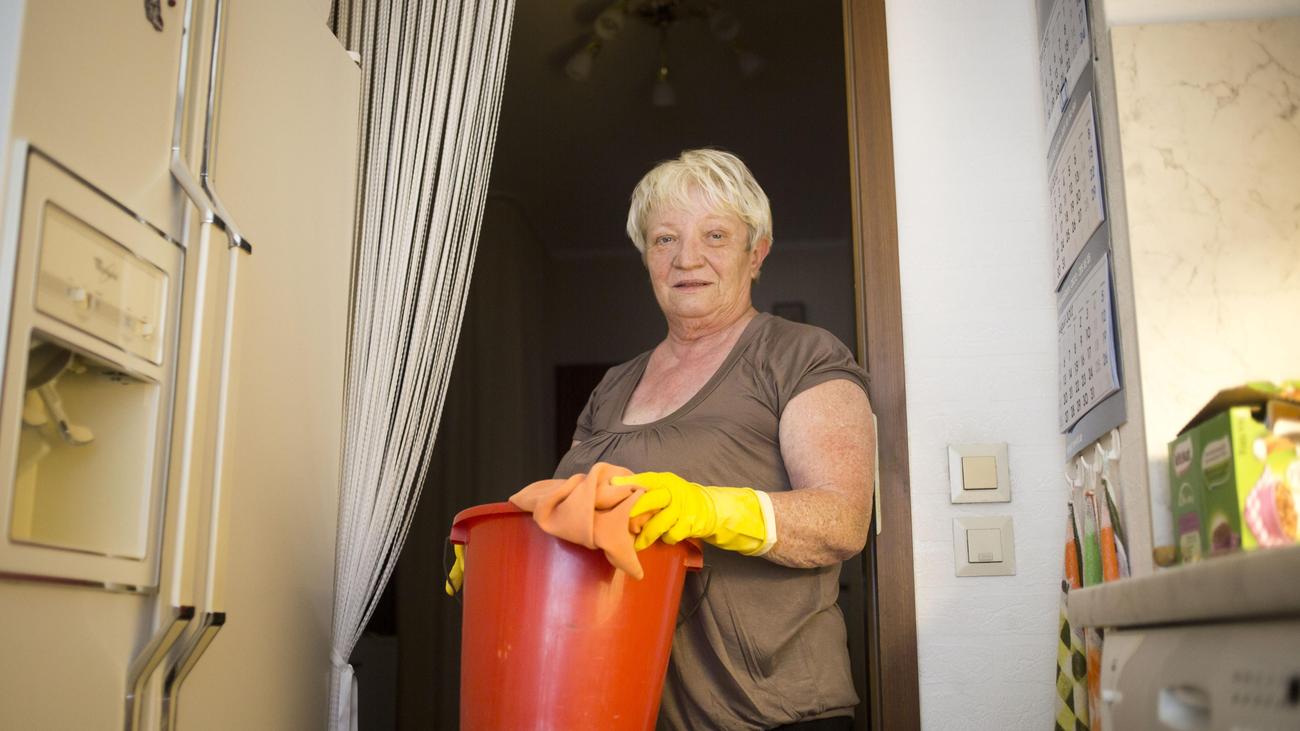
The number of still-working retirees in Germany has reached an all-time high. According to the Federal Statistical Office , over 1.1 million individuals aged 67 and older were still employed last year. As reported by the stern in reference to a request from the Sahra Wagenknecht Alliance (BSW) , this marks an increase of 51,000 compared to 2023. This surge illustrates a significant trend in the workforce’s demographic, pointing to a broader conversation about aging and employment in Germany.
The numbers are striking when comparing current data to that from 2004, when only 288,000 seniors aged 67 and above were still active in the labor market. Over the span of nearly two decades, this figure has quadrupled. Interestingly, the overall number of retirees has only seen a slight increase: from 19.6 million in 2004 to 21.4 million last year. This juxtaposition highlights not just the aging population but also the urgent need for sustainable policies regarding retirement and workforce participation.
Debate on Senior Employment
Recently, CDU General Secretary Carsten Linnemann sparked a debate by asserting that retirees in Germany are not working enough . His comments prompted a fierce response from BSW leader Sahra Wagenknecht , who accused him of mocking the elderly workforce. “Today, more retirees are working than ever before,” Wagenknecht claimed in her comments to the stern. This tension reflects a broader societal conflict over perceptions of older workers.
While direct engagement of older employees can benefit companies, it is essential to recognize that not all seniors choose to work out of personal desire . “The quadrupling of figures shows that hundreds of thousands of seniors are simply forced to supplement their meager pensions ,” Wagenknecht asserted. This perspective raises significant questions about economic inequality and the adequacy of pension systems in place.
More retirees than ever are joining the workforce, revealing the complex dynamics of our aging population. The challenges they face often lead them to seek additional employment, indicating a need for reforms in the pension sectors. With policymakers like Carsten Linnemann and Sahra Wagenknecht engaging in this critical discourse, it’s clear that the conversation around senior employment will continue to evolve. Addressing economic disparities and ensuring a secure retirement for all remains an urgent priority in contemporary society.