
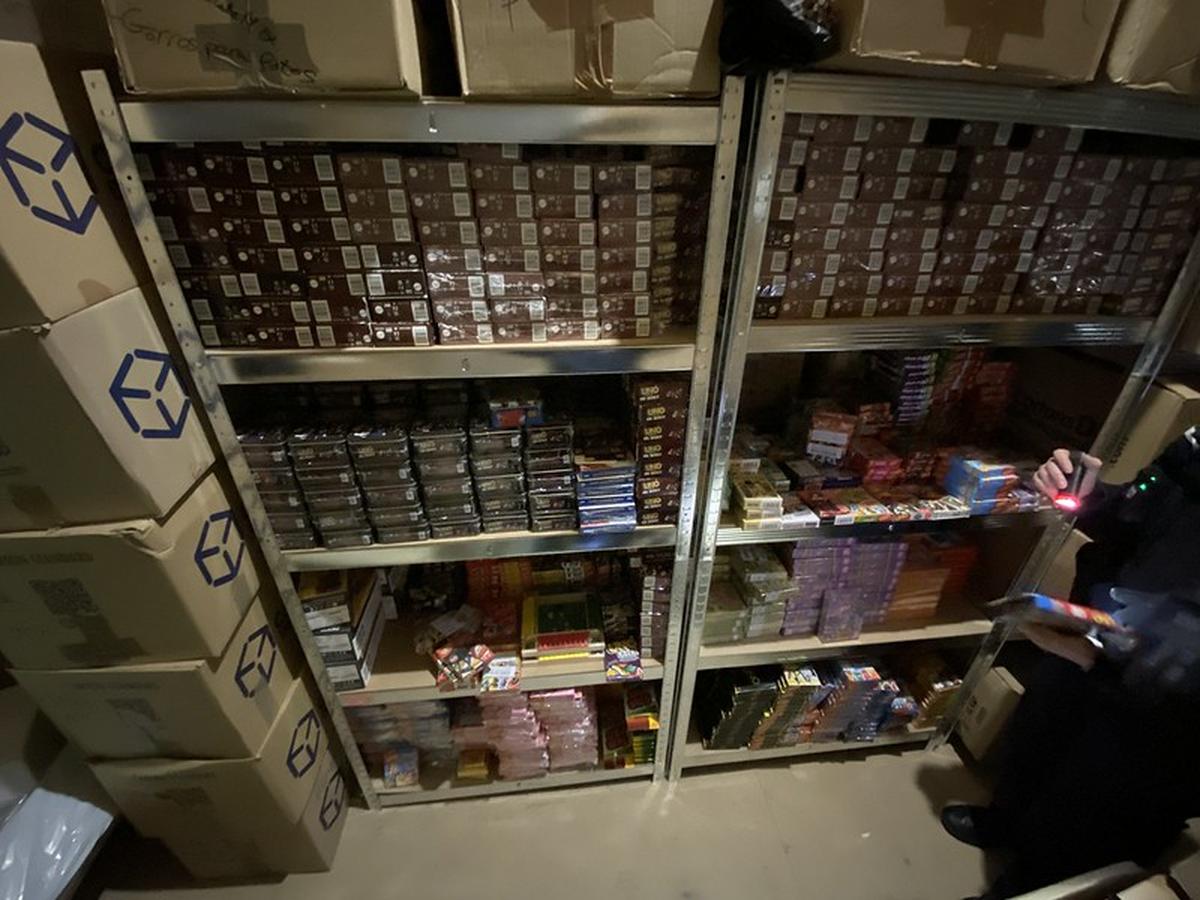
The discovery of over half a million counterfeit toys has raised serious concerns about product safety and intellectual property rights in France. On April 22, customs officers uncovered a staggering 517,424 fake toys at a residence in the Basque region, transforming the home into a veritable Santa’s workshop of illicit goods. The stockpile included plush toys from beloved franchises like Paw Patrol and Disney , card games such as Uno and Skyjo , Pokemon cards , and counterfeit puzzles. The owner, a 37-year-old Spanish man, has since been sentenced to four months in prison (suspended) and fined €79,580 after being judged in Bayonne on June 5.
In court, the defendant explained feeling “swindled” by Chinese websites , questioning, “If these products are illegal, why can we buy them in France?” This revelation highlights an accusation against e-commerce platforms , which serve as facilitators for such illicit trade.
The Business of Counterfeit Toys
Registered in the commercial registry, this individual managed to turn his operation into a full-blown business . By sourcing toys from platforms like Temu or AliExpress , he resold them for twice the price on local marketplaces such as Vinted or Le Bon Coin . He claims to have invested €35,000 over the past five years, revealing that he undertook several precautions along the way.
“I made sure to obtain authorization to sell in Europe. Then I compared what I received with the toys from supermarkets or consulted with ChatGPT,” he stated in defense. However, this verification process lacked credibility, raising eyebrows among officials. “These admissions indicate your skepticism regarding the authenticity of the products,” pointed out the judge.
The customs officers described these items as “substandard copies,” pointing out significant issues such as spelling errors, aesthetic discrepancies, poor stitching, and even an unmistakable solvent odor emanating from the plush toys. Such faults pose severe risks; as one representative stated, “We were not safe from a child swallowing a poorly sewn eye or becoming intoxicated.”
The merchant insisted that he would submit complaints whenever he discovered counterfeits. “The websites reimbursed me, but I was allowed to keep the items,” he claimed, indicating their low resale value. The entire operation reportedly generated between €700 to €1,000 a month, supplemented by unemployment benefits.
The verdict not only dished out punishment but also included a ban on managing any company or engaging in commerce . As the verdict was delivered, the Spanish man was diversifying his illicit ventures, hinting at importing another kind of toy targeted at adult consumers .
This case embodies the intersection of online commerce and counterfeit activities , raising alarms about product safety and consumer rights. As counterfeit goods flood markets, their presence puts not only manufacturers at a disadvantage but also consumers, particularly children, who are most vulnerable to these dangers. It raises critical questions about the effectiveness of regulatory measures and the accountability of e-commerce platforms in mitigating such risks. While today’s verdict serves as a cautionary tale, it is evident that the fight against counterfeit goods requires ongoing vigilance and reform.
General News – 2