
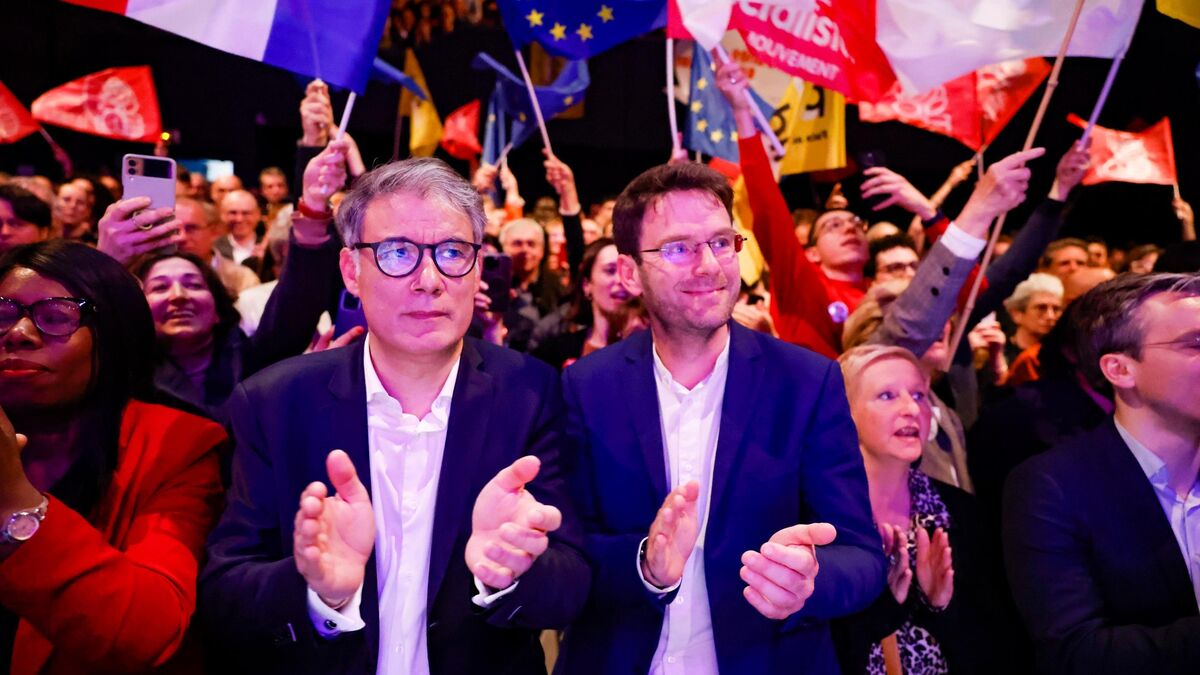
Reviving the Socialist Party: A Look Ahead to the 81st Congress
In a time of political turbulence and division, the French Socialist Party (Parti Socialiste, PS) is preparing to hold its 81st congress in Nancy from June 13 to 15. This gathering comes at a crucial juncture for a party that has experienced a significant decline in influence over recent years. With issues of leadership, unity, and a clear political direction on the agenda, the congress serves as a critical opportunity for the party to address its internal fractures and seek a revival.
The congress is being heralded as a chance for the new leader of the PS to emerge and for the party to solidify its vision moving forward. After a tightly contested leadership election, the dynamics among the key figures of the party will play a pivotal role in determining its future. The notable names in the running include Olivier Faure, Boris Vallaud, and Nicolas Mayer-Rossignol, each representing different facets of the party’s ideology and political strategy.
Understanding Internal Divisions
The PS is grappling with significant internal discord that has been exacerbated by recent electoral setbacks. The battle for leadership has often appeared more about personal rivalry than deeper ideological commitments. This is highlighted by many observers who suggest that the recent elections were characterized by a "battle of egos" rather than a substantive discussion of ideas.
Olivier Faure, the incumbent first secretary, faces the challenge of unifying party factions that have become increasingly polarized. His ability to bring together the party’s various ideological camps could be critical in moving forward and restoring faith among party members and voters alike. Conversely, Boris Vallaud and Nicolas Mayer-Rossignol offer alternative visions that resonate with different segments of the party’s base, further complicating the potential for harmony.
Strategic Objectives for the Congress
One of the primary aims of the congress will be establishing a cohesive narrative to present to the public. In the face of rising challenges from both the far-right and centrist parties, the PS must articulate clear policy goals and a vision that speaks to the contemporary needs of the electorate. This means revisiting traditional socialist tenets while also adapting to the modern political landscape, a task that will require careful balancing.
Furthermore, the congress could serve as a platform for discussing key issues such as economic inequality, climate change, and social justice, themes that have historically been vital to the PS. There is a growing consensus that the party needs to engage with younger voters, many of whom feel disenchanted by traditional politics.
Community Involvement and Engagement
As part of its revitalization efforts, the PS has recognized the need for more grassroots involvement. Engaging local communities and promoting active participation among party members can help foster a sense of belonging and shared purpose. This congress will likely highlight initiatives aimed at strengthening local party branches, enhancing their capacity to mobilize support and participate in local governance.
Moreover, the inclusion of various communities—particularly marginalized groups—will be crucial in reshaping the party’s image. A commitment to diversity and inclusion can reinvent the party’s appeal in a multicultural society, showcasing its relevance in tackling issues that resonate broadly across different demographics.
The Importance of a United Front
The PS’s effectiveness in regaining its footing will largely hinge on its ability to present a united front. As factions within the party struggle for prominence, it is crucial that the congress fosters a sense of collective responsibility among all participants. The imagery of a “grand family reunion” could serve not just as symbolism but as a genuine call for solidarity in the face of shared challenges.
Achieving consensus on key issues will not only strengthen the party’s internal coherence but will also enhance its visibility as a viable alternative on the national stage. Given the increasing popularity of competing political movements, the PS has no time to waste in boxing itself into smaller sects; it must collectively position itself as a formidable force in French politics.
The upcoming congress is not merely an administrative event but a potential turning point for the ailing Socialist Party. By addressing internal strife, pursuing inclusive community engagement, and articulating a cohesive political vision, the PS has a unique opportunity to reclaim its status as a vital player in the French political landscape. The effectiveness with which the party capitalizes on this occasion could very well determine its future trajectory and relevance in the coming years.
In summary, the journey ahead for the French Socialist Party is fraught with challenges yet ripe with potential. The 81st congress could very well be a moment of transformation, demanding not just strategic planning but a genuine commitment to unity and collective action among its members.