
Gabriel O.: A Criminal Mastermind Behind Bars
Gabriel O. is under suspicion of being a leading figure in the Marseille criminal organization . Recently, he was discovered in possession of his sixth mobile phone even while being held in solitary confinement . This incident has sparked outrage among prison staff, particularly the UFAP-UNSa union , which is calling for his immediate transfer to a different facility due to the potential danger he poses.
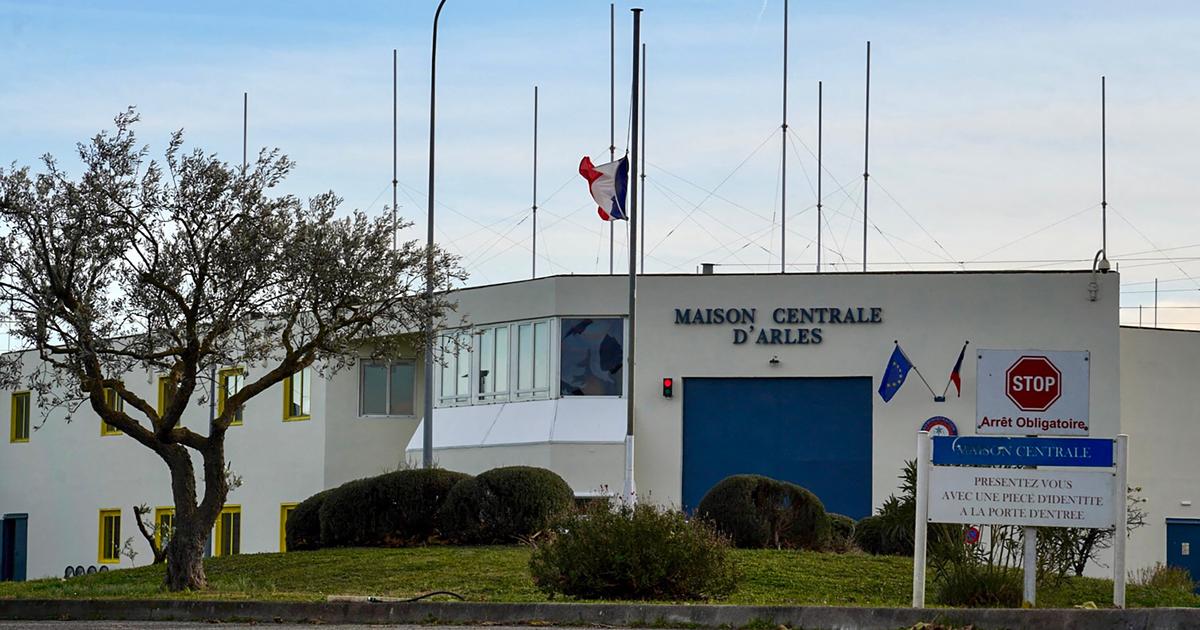
“How can we accept this? We’ve reached the sixth phone, the last being an iPhone equipped with five SIM cards!” a prison officer in southeastern France remarked to *Le Figaro*. “These phones are high-end, costing around 1,000 euros each and quadruple that in detention. Yet, he is under surveillance in isolation,” the officer lamented, expressing frustration over Gabriel O.’s ability to maintain his illicit operations while incarcerated at the Arles prison .
Persistent Criminal Behavior from Behind Bars
Since his arrival at the prison at the end of last year, Gabriel O. has allegedly continued his criminal activities, despite being recognized as a prominent member of the Marseille cartel . He has incurred five criminal deposit mandates while reportedly possessing multiple smartphones intended for illegal use. This blatant disregard for authority and prison regulations is a cause for alarm among the staff at Arles prison, who argue that he must be transferred immediately due to his dangerous profile.
“How absurd can we get? What more do we need? A third layer of fencing or a watchtower in his cell? At some point, we have to stop pretending!” the UFAP-UNSa Justice union complained in a press release, which they initially shared with *Le Parisien*. “This is a ticking time bomb that the agents at Arles prison are forced to confront each day. Meanwhile, the administration seems to show alarming laxity by failing to expedite his transfer through the judicial authorities,” they added.
The Dark Side of Organized Crime
This situation reflects the alarming extent of Gabriel O.’s criminal network, where he rose through the ranks of the DZ Mafia . Allegedly trained as a hitman, O. has become one of the cartel’s major players. Sources suggest that he has the capability to order contracts for assassinations while behind bars, even threatening prison staff with relative ease.
Notably, a supposed €120,000 contract was reportedly placed on the head of a deputy chief at Baumettes prison at the end of 2024. Concurrently, this agent and their director were placed in jeopardy as Gabriel O. sought revenge for a disciplinary sanction imposed on him. The situation escalated, resulting in the arrest of a group of hitmen from Ile-de-France who attempted to confront the agent at the prison gates. While O.’s formal involvement in this contract has yet to be validated, he is widely seen as a key figure in this brazen case, indicative of what crime analysts describe as the “Mexicanization” of France.
“Mr. O. has been in prison for twelve years and has never assaulted a guard or another inmate,” his attorney, Me Christine D’Arrigo, told *Le Figaro*. “He has five criminal mandates against him but no definitive convictions. He is still presumed innocent.” D’Arrigo also criticized the conditions of her client’s imprisonment, highlighting a recent report from prison administration indicating O. as a “respectful” and “correct” inmate towards the staff.
Suicidal Tendencies and Administrative Inaction
Her words take a darker turn as she recounted a recent incident where her client attempted suicide. “He told the prison director that he felt like an animal in a cage. Despite the circumstances, he has never raised a hand against a guard in twelve years,” she noted. After receiving a fifteen-day disciplinary confinement for possessing four phones, O. attempted to harm himself using razor blades he had hidden.
The tension among prison staff is palpable, with many eager for Gabriel O. to be moved. “Managing someone of his profile requires extreme caution with our actions and words. We have seen the threats that come from the outside. We’ve crossed a line,” one officer explained.)
Given the repeated security breaches exemplified by O.’s collection of illicit mobile phones, questions arise about their source. “These could come from guards, outside contractors, or even maintenance staff. People who handle inmates are often underpaid and can be tempted,” a source close to the investigation suggested. The implication of corruption among prison staff further complicates the efforts to curb criminal activities from within jail walls.
The alarming revelations surrounding Gabriel O. underscore the broader issues within French prison systems, especially regarding the need for higher security measures. As the conversation continues, it is crucial for the authorities to act decisively to maintain order and safety both inside and outside prison walls.