
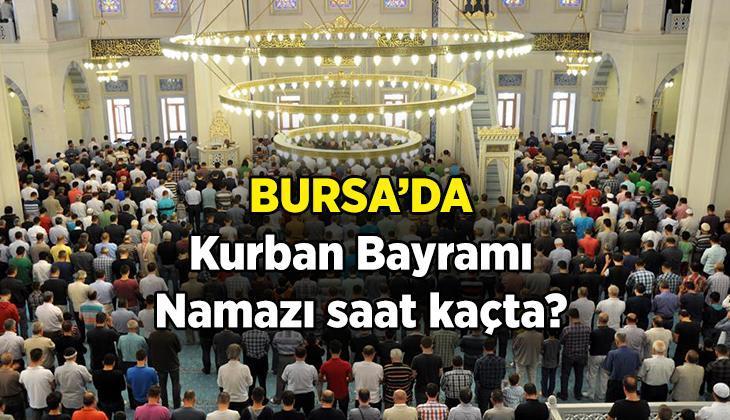
HOW IS BAYRAM NAMAZI PERFORMED?
On the occasion of Bayram (the festival), the intention (niyet) is made by specifying which Bayram prayer is to be performed. For example, one might say, “I intend, O Allah, to perform the Kurban Bayram prayer, following the imam .”
After this intention, together with the imam, the following steps are usually followed:
First Rak’ah (Rekat)
* After making the intention for the Bayram prayer, the congregation raises their hands in takbir (saying “Allahu Akbar”) and ties them.
* The imam and the congregation then quietly read the “ Sübhane ” supplication together.
* Similarly, the first takbir is raised again, and the hands are lifted to the ears for the second takbir, after which the hands are dropped to the sides.
* Next, for the third takbir, the hands are raised again and lowered.
* Then, for the fourth takbir, the hands are placed at the navel.
* The imam then discreetly recites “ Euzü besmele ” (seeking refuge in Allah) and openly reads the Fatiha surah along with another Zammı surah or a sufficient amount of the Quran . The congregation listens quietly to the imam.
* After this, bowing (rükü) and prostration (secde) are performed, leading to the standing position for the second rak’ah.
Second Rak’ah (Rekat)
* In the second rak’ah, the imam begins discreetly with “Besmele” and reads “Fatiha” along with another surah, while the congregation listens silently.
* Following this, as in the first rak’ah, the congregants raise their hands to their ears to say the first takbir, lowering the hands afterward.
* The second and third takbirs are performed similarly, with hands being dropped each time.
* Lastly, the fourth takbir is raised, but this time the hands are not lifted to the ears, and the congregation goes into bowing position.
* After rükü and secde, those present sit down to recite the “ Tahiyyat ” and the “ Salli-Barik ” supplications before giving peace (salam) to the right and then to the left, completing the prayer.
* Following this, with the müezzin (the caller to prayer), all together perform takbir three times (teşrik). In conjunction with these takbirs, the Imam ascends the pulpit to deliver the Bayram sermon (hutbe).
Significance of Bayram Namazı
Bayram Namazı holds significant spiritual value in the lives of Muslims. It is a special prayer that symbolizes the unique occasion of the religious festival , marked with community bonds and a celebration of faith. The prayer is not just a mere ritual; it embodies a sense of gratitude towards Allah and calls for reflection on blessings and communal harmony.
Community and Togetherness
This prayer fosters a sense of community as it gathers people from all walks of life, who share the same faith and traditions. The collective nature of Bayram Namazı illustrates the spirit of unity, reminding individuals of their shared heritage and the importance of kindness and compassion towards others.
The Hutbe: A Message of Reflection
After the Namaz , the Imam delivers a sermon that addresses important themes related to the Bayram . This is a moment where the faithful nation is reminded of the values of charity, forgiveness, and the importance of keeping connections with family and friends. The hutbe serves as a guiding light for the community, helping individuals realign with their spiritual values and improve their conduct.
Preparing for Bayram Namazı
As the Bayram approaches, it is customary for people to prepare both spiritually and materially. Families often find joy in decorating their homes, preparing special meals, and buying new clothes. This preparation enriches the Bayram experience , ensuring that everyone is in high spirits as they make their way to the mosque. The anticipation builds a sense of excitement among children, who look forward to the gifts and treats commonly associated with this festive time.
Conclusion
Ultimately, Bayram Namazı is more than a spiritual obligation. It embodies the essence of gratitude, community, and reflection . By participating in this simple yet profound act of worship, individuals reinforce their connections with Allah and their fellow community members. As they bow and prostrate together, they celebrate their shared heritage and values, strengthening the bonds that unite them in faith and humanity. The beautiful ritual of Bayram Namazı, coupled with the powerful messages of the hutbe , truly encapsulates the essence of Bayram—a time for joy , unity , and heartfelt gratitude.