
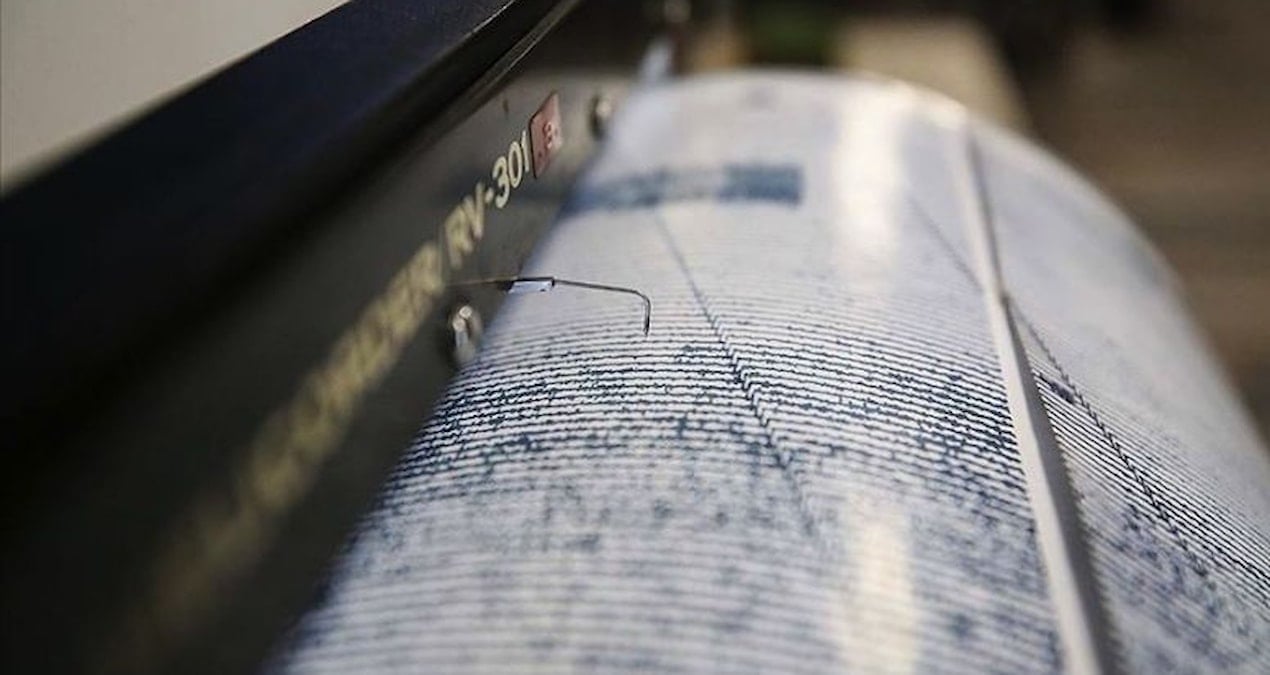
Marmara Sea Hit by Earthquake: What to Know
In a recent seismic event , the Marmara Sea experienced an earthquake that has raised concerns among residents in the region. According to information retrieved from the official website of the Disaster and Emergency Management Authority (AFAD) , this earthquake occurred at a distance of 26.79 kilometers from Silivri, Istanbul .
The earthquake, recorded at a magnitude of 3.1 , struck at 8:35 PM local time. The depth of the tremor was measured at 8.51 kilometers , which is relatively shallow by seismic standards. Such shallow earthquakes can often lead to more noticeable surface shaking, causing heightened alarm among those nearby.
Official Reports and Measurements
According to AFAD’s data, the organization uses specialized tools and protocols to measure seismic activity in real-time. They reported that the seismic event was not only felt in Istanbul but also in neighboring regions. Kandilli Observatory also analyzed the event and reported a slightly higher magnitude of 3.5 , suggesting the importance of having multiple observation points to confirm seismic statistics.
The differences in magnitude assessments from AFAD and Kandilli reflect the complexities involved in earthquake measurement, where factors such as location, depth, and geological features play crucial roles in the determination of earthquake strength.
Public Response and Safety Measures
The public response to the earthquake has been one of concern. With Istanbul being a densely populated metropolis known for its seismic risk, many residents quickly took to social media to share their experiences and seek reassurance.
Emergency services, following protocols for earthquake preparedness, have been on alert to assess any damage or safety concerns in affected areas. Local authorities have urged residents to remain vigilant and to know the appropriate safety measures to follow during an earthquake, such as “ Drop, Cover, and Hold On .”
The Seismic Context of the Marmara Region
The Marmara region is notorious for its seismic activity, primarily due to its location along the North Anatolian Fault , which is one of the most active fault lines in the world. This fault line runs from the Aegean Sea in the west to the Black Sea in the north, passing directly beneath Istanbul. Over the years, the region has experienced several notable earthquakes, leading to extensive research and preparedness initiatives aimed at reducing future risks.
Understanding the geological history of the area helps residents appreciate the importance of being prepared. Istanbul, with its historical buildings and significant population, faces unique challenges in the event of a significant seismic event. As such, both governmental and non-governmental organizations continually engage in public education about disaster preparedness.
The Psychological Impact of Earthquakes
Beyond the physical impacts of seismic events, the psychological effects on residents can be profound. Aftershocks and the fear of future quakes can lead to increased anxiety among those living in earthquake-prone areas. This makes community support and mental health resources just as important as physical safety measures.
Local governments and NGOs often conduct outreach programs providing counseling and support for residents coping with earthquake-related anxiety. Building a community network of support is vital for fostering resilience and preparedness among residents.
Concluding Thoughts
In conclusion, the recent earthquake in the Marmara Sea serves as a stark reminder of the ongoing seismic risks facing regions in Turkey. With both AFAD and Kandilli contributing valuable data, understanding this geological landscape is crucial for enhancing preparedness and mitigating risks. Promoting awareness, enhancing emergency protocols, and fostering community support can greatly improve public safety in this historically active seismic zone. As we continue to monitor and learn from such events, it becomes ever more essential for residents to stay informed and prepared for future scenarios.