
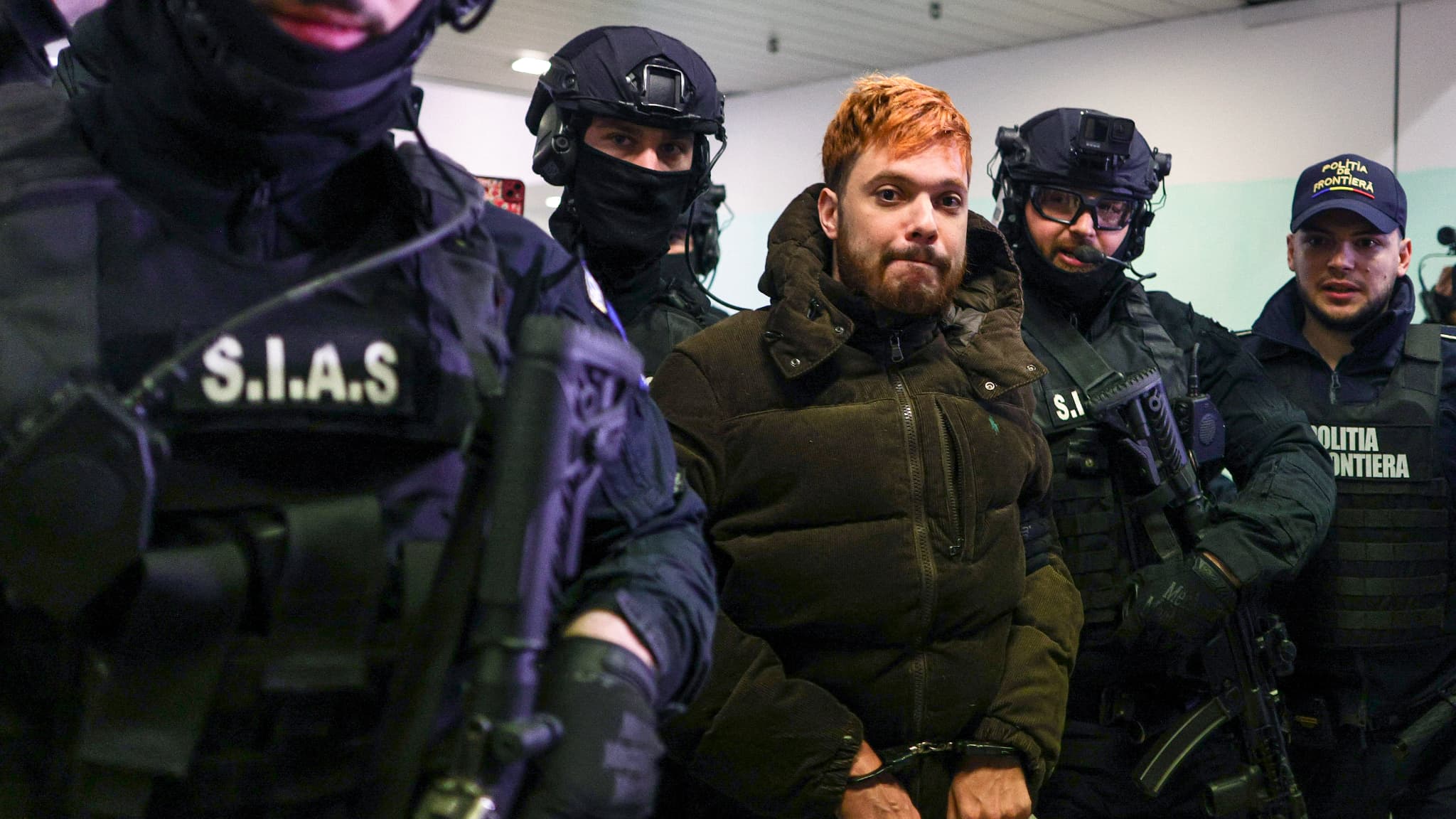
Mohamed Amra, a notorious narcotrafficker , is set to be extracted from the Condé-sur-Sarthe prison next week for interrogation in Paris. This news has stirred significant outrage among prison guard unions , especially considering that Amra had previously escaped during a transfer. Arrested in Romania after a nine-month manhunt, Amra’s situation raises critical questions about prison security protocols and the safety of correctional officers.
As confirmed by BFMTV , the extraction will lead him from Normandy to the offices of the national judicial authority combating organized crime at the Paris courthouse. This move has not only reignited memories of past tragedies but has also sparked debates about the security surrounding such high-risk prisoners.
Concerns Over Past Incidents
The history surrounding Mohamed Amra is fraught with danger and tragedy . During a prior transfer, on May 14, 2024 , two prison guards lost their lives during an attack that facilitated his escape from custody. This incident has left deep scars not just on the families of the victims but on the entire prison system. Yoan Kara, the Deputy Secretary-General of the National FO Justice Union , expressed his outrage, stating, “This is a scandal, a betrayal! It will cost us dearly and endanger the officers. We have not learned from past mistakes. We would have preferred the judge handle this case in person. We advocate for video conferencing to be more widely used, especially in this case.”
Wilfried Fonck, the national secretary of the Ufap Unsa Justice Union , echoed these sentiments, describing the decision as “incomprehensible and unacceptable,” especially towards their colleagues who lost their lives and got injured in the Incarville incident .
Ensuring Safety with Enhanced Security Measures
In light of these concerns, French Minister of the Interior , Gérald Darmanin, spoke on the security arrangements that will be in place during Amra’s extraction. He emphasized, “There will be extraordinary security measures to facilitate the judge’s interrogation. The narcotrafic law set to take effect in June will allow for video conferencing in most cases, thereby curbing unnecessary expenses related to such transfers.” Darmanin reassured that this would prevent escapes, ensuring the safety of officers involved.
“The Ministry of the Interior is prepared to handle this under excellent conditions. Our special task forces, namely the Raid and GIGN, comprise extremely brave men and women. I have full confidence that everything will be secure,” he added.
Mohamed Amra has been linked to several escape attempts even before the Incarville tragedy. Reports indicate that just days before his dramatic escape, two additional attempts were thwarted, highlighting the ongoing risks involved in managing such dangerous criminals. His case involves a total of 38 individuals under investigation, including Amra himself.
Despite the risks and uproar, both the Chancery and the Directorate of Penitentiary Administration have refrained from commenting on the current situation. This lack of transparency only adds to the frustration felt by prison staff and the families affected by Amra’s criminal activities.
Overall, the case of Mohamed Amra serves as a stark reminder of the complexities and dangers associated with managing high-profile inmates within the penitentiary system. As society grapples with these realities, the hope is that future protocols will prioritize the safety of prison guards and prevent further tragedies. The public reaction and the political handling of this situation will undoubtedly influence how such cases are managed in the future, ensuring that the lessons from the past are not forgotten.