
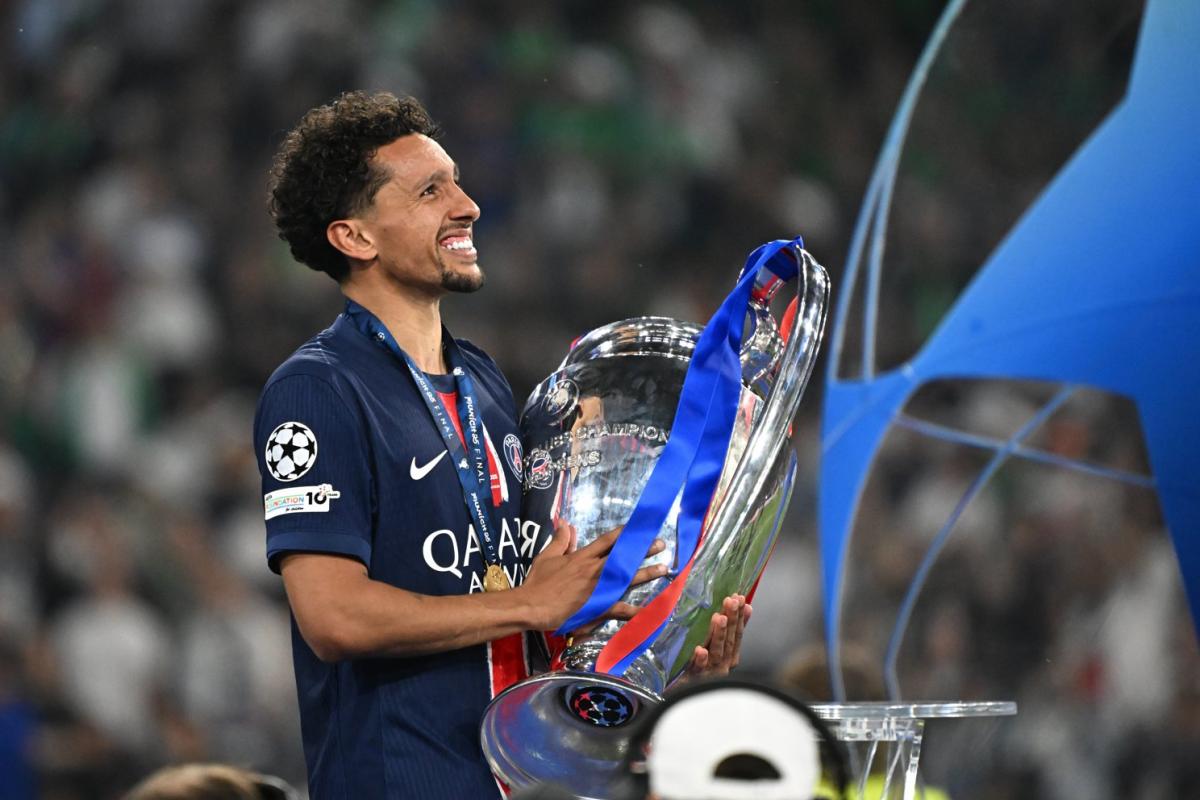
The Paradox of PSG: Champions League Triumph Amidst a Slide Down the UEFA Rankings
The Paris Saint-Germain (PSG) football club has recently ignited fervor among fans and analysts alike. After securing the coveted Champions League title, many would expect an ascension in the UEFA rankings. However, the stark reality demonstrates a puzzling juxtaposition: despite their recent victory, PSG has actually slipped in the UEFA standings. This paradox presents numerous questions about the competitive landscape of football in France and across Europe.
Recent reports highlight that, after PSG’s thrilling Champions League victory, the club’s place within the UEFA ranking ecosystem has deteriorated. As outlined by L’Équipe and other reliable sources, this unexpected dip can be attributed to various factors tied to both the club’s performance and the broader context of European football.
One of the primary contributors to PSG’s decline in UEFA rankings is the overall performance metrics of the club over the past few seasons. Although PSG triumphed in the recent Champions League finale, their inconsistent performance in domestic leagues has undermined their reputation and coefficient points. UEFA uses a system based on clubs’ performances in Europe over the last few years, which means that even a win in the Champions League cannot wholly compensate for poor results elsewhere.
The Impact of Domestic League Performance
It is crucial to emphasize that performance in national leagues directly influences clubs’ coefficient points. While PSG’s victory in the Champions League is commendable, inconsistent results in Ligue 1 have resulted in fewer points accrued over the season. This trend highlights a fundamental issue: consistent excellence is paramount, not just peaks of success.
As football pundits have pointed out, PSG’s strategies have often focused on acquiring star players rather than nurturing youth talent or building a cohesive team that can perform reliably week after week. This approach risks leading to a cycle where short-term success in tournaments overshadows the need for stability and consistency in league play.
PSG’s Role as a Beacon for French Football
Despite these ups and downs, PSG remains a vital force in French football. A recent statement from club officials emphasized the need for the team to continue winning titles, not only to advance their own ambitions but also to uplift the entire French league. As noted by analysts at L’Équipe, "Il faut que Paris en gagne d’autres, cela doit motiver les autres," which translates to, "Paris must win more; it should motivate others."
This statement underlines the sentiment that PSG serves as a locomotive for the league. By establishing themselves as a dominant force, PSG indirectly enhances the overall quality of football in France, pushing other clubs to elevate their game. A rising tide can lift all boats, and the hope is that PSG’s success can galvanize others to strive for greater achievements.
Future Implications and UEFA Rankings
As the situation unfolds, stakeholders within UEFA and football enthusiasts will be keenly observing how PSG navigates this complex landscape. Current indicators suggest that the team’s management must reassess its recruitment and strategic planning to improve both their domestic performance and their standing on the European stage.
Moreover, the emotional narrative swirling around the club adds layers of intrigue. Many fans view PSG not just as a football team but as a symbol of aspiration. A club that can go from zero to hero within a single Champions League season sparks dreams and ambitions among its supporters, while simultaneously guiding the course of football in France.
In light of these dynamics, observers will closely examine Paris Saint-Germain’s approach in the coming seasons. Will they maintain their competitive edge internationally while also stabilizing their domestic performances? The balance between nurturing talent, expanding their fan base, and improving overall results could determine their trajectory for years to come.
As the trajectory of PSG unfolds, the football world waits with bated breath to see whether this paradox will resolve in their favor, or if the complexities of football management will see them stumbling once more. The future looks promising yet uncertain, underscoring the intricate ballet that defines modern football.
Undoubtedly, PSG is a club navigating the tumultuous waters of professional football, teetering between the euphoria of victory and the sobering reality of consistent performance. Only time will tell how this paradox ultimately resolves, but one thing remains clear: the journey will undoubtedly be captivating.