
The Pension Crisis in France: A Growing Challenge
Pension reform has been a contentious issue in France, often overshadowed by political maneuvering and union resistance. For over three decades, governments leaned towards minimal reforms, favoring a status quo that many believe is no longer sustainable. This article discusses the current state of pensions in France, the urgent need for reform, and the perspectives of key figures in the political landscape.
A Grim Outlook
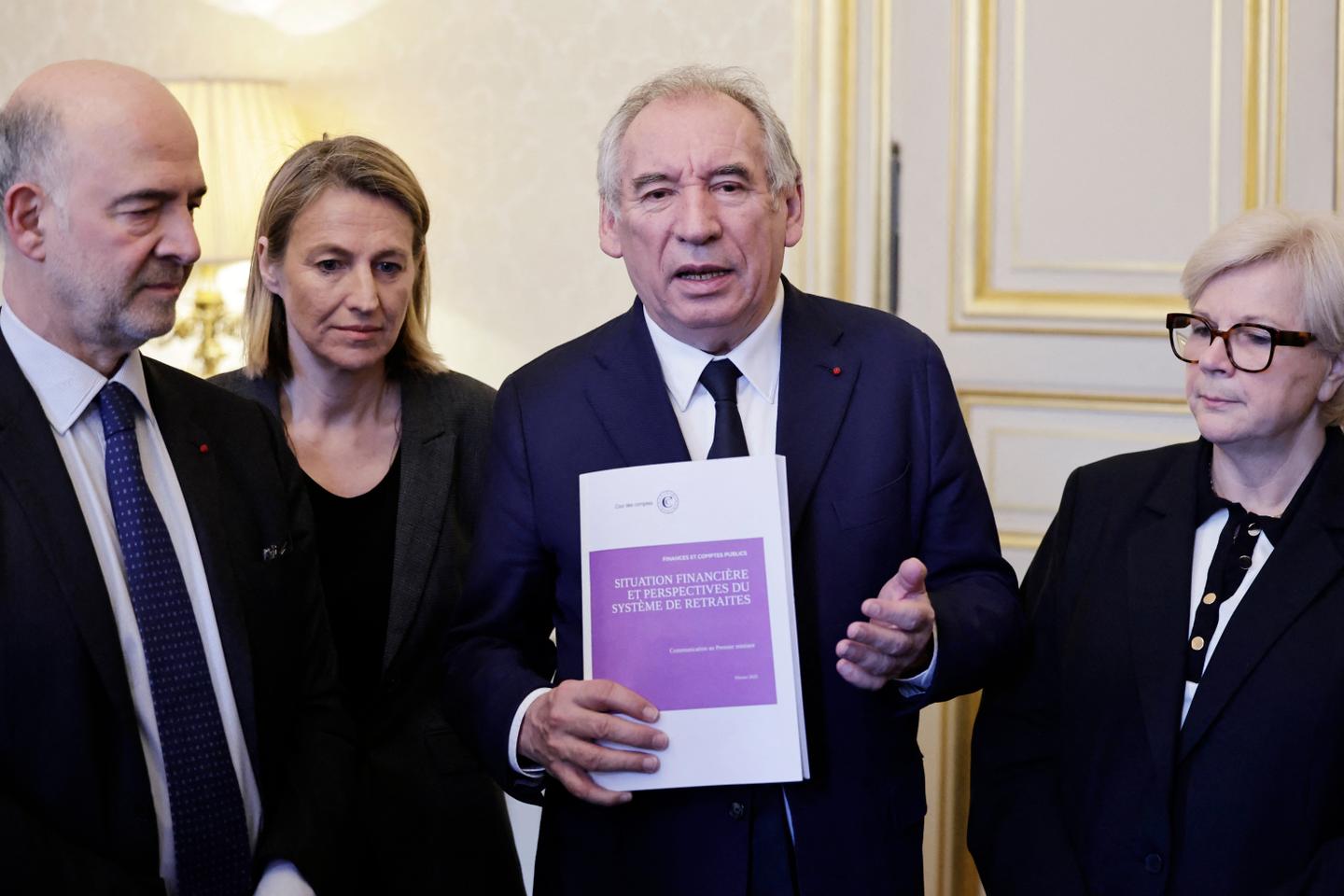
The Court of Auditors recently released a report that paints a dire picture of France’s social security system. The report highlighted that the deficit across all branches of social security is set to double by 2028. The health insurance sector will be the most affected, facing a projected shortfall of €13.8 billion by 2024. Meanwhile, the basic retirement scheme, although not as severely impacted, is expected to experience a deficit of €5.6 billion. The complementary pension funds, especially in the private sector, are still within the black, offering a glimmer of hope amidst the chaos.
The courts are sounding the alarm, stating that the general financial trajectory of the state and pension schemes is "out of control." They express concerns that certain social security benefits could face payment defaults if this trend continues.
Historical Context
Historically, pension financing has been a recurring issue in France, revisited every few years without solid resolutions. Back in 1991, Prime Minister Michel Rocard faced a less pressing financial and demographic crisis than today. The White Paper he introduced urged an extension of the contribution period as a means to balance the pension system. Rocard called for broad consensus among social partners on data, prospects, and solutions, articulating a need to encourage companies to enhance employee contracts by integrating pension funds into their compensation packages. While this proposition aimed to initiate dialogue, it also triggered vociferous debates on the future of pensions in the country.
Political Landscape
Political figures are once again revisiting the discussion surrounding pensions, with Edouard Philippe, former Prime Minister, taking a leading role. Philippe aims to place pension reform at the forefront of the 2027 presidential campaign, focusing on a broader agenda to save a welfare state that seems at risk of fiscal collapse.
Philippe’s advocacy for integrating a degree of capitalization into the French pension system has rekindled contentious debates. While many see this as a necessary measure to advance the financial stability of pensions, it has sparked objections from the left and labor unions, which view such shifts as potential threats to the solidarity principle of pensions.
Implications of Pension Capitalization
The concept of capitalization signifies a shift from the pay-as-you-go model to one where individuals accumulate funds over their lifetimes to support their own retirements. Advocates argue that such a system could bolster the sustainability of pensions, particularly as demographic shifts point to an aging population and dwindling worker-to-retiree ratios. However, critics warn that it could exacerbate inequalities, benefiting those who can afford to invest in their retirement plans while leaving vulnerable populations at risk.
The dialogue surrounding pension reform is not isolated; it intersects with broader economic policies and social safety nets. As we look towards the presidential campaign, Philippe and other leaders will face the dual challenge of rallying public support for reforms while addressing longstanding concerns over equity and accessibility in the pension system.
Moving Forward
Seeing the urgent need for pension reform, stakeholders, including politicians, unions, and financial experts, must come to the table to find solutions acceptable to all parties involved. A restructured pension system must ensure financial sustainability while still preserving the social safety net that many French citizens rely on.
Efforts to reform pensions cannot be postponed any longer. If France is to avoid a fiscal crisis in its pension system, comprehensive discussions must take place now. The stakes are particularly high, and any viable solutions must transcend partisan politics, aiming instead for a collective approach to safeguard the future of millions.
With the 2027 presidential elections on the horizon, it is clear that pension reforms will be a significant issue that demands immediate and thoughtful attention. Only time will tell if the politicians can rise to the occasion and implement reforms that will benefit the entire population.