

| IN BRIEF |
|
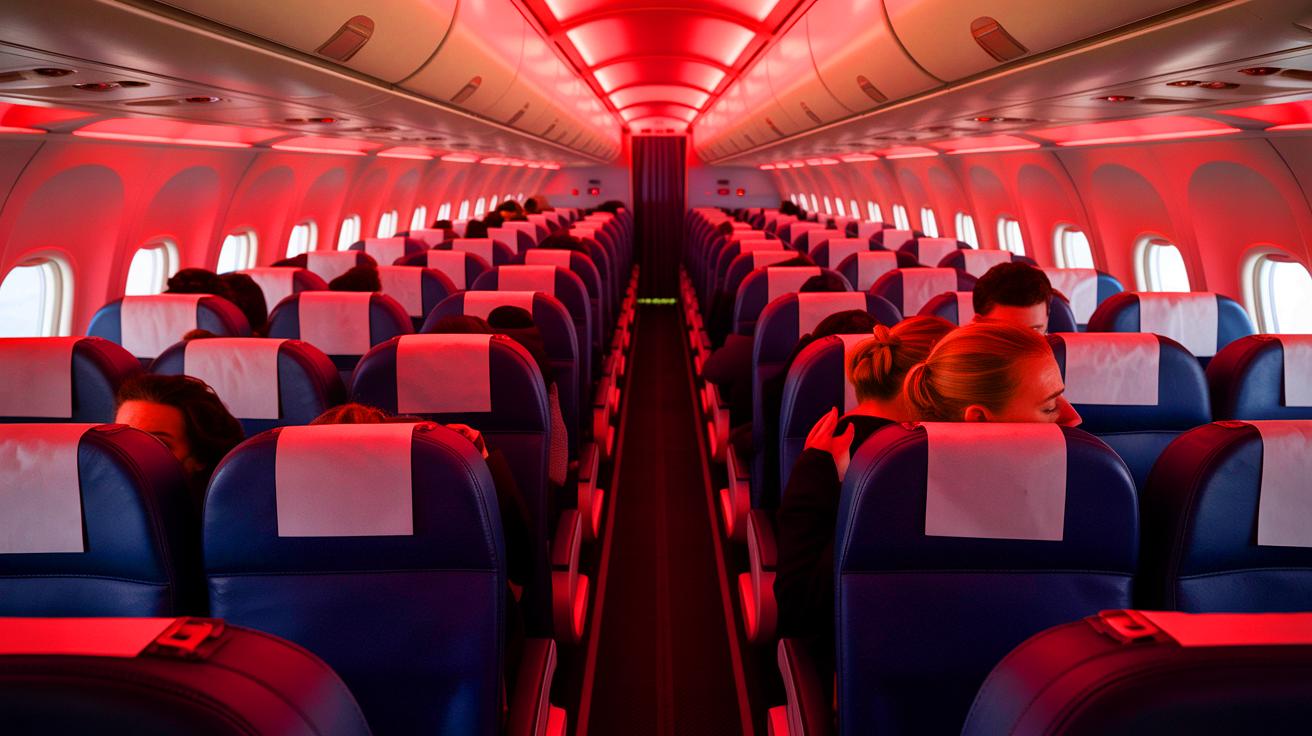
On September 1, 2023, a Delta Airlines flight from Atlanta to Barcelona encountered an unexpected incident. Mid-flight, a passenger suffered severe diarrhea, forcing the plane to turn around. Such events highlight the complexities of medical emergencies that can occur in the air. Without appropriate equipment, the crew had to improvise to manage the situation. This is not the first time that inadequate medical resources on board have raised questions about passenger safety. As the number of air travelers continues to rise, how can airlines better prepare for these unforeseen events?
The Challenges of In-Flight Medical Emergencies
Medical emergencies in the air present significant challenges for airlines. With over two billion passengers annually, medical incidents are inevitable. The diversity of emergencies that crew members may encounter is broad, ranging from heart attacks to minor injuries. However, the medical resources available on board are often limited. While the FAA mandates the presence of emergency medical kits , these kits do not always contain the necessary equipment to handle complex situations. For example, the absence of protective gear forced Delta Airlines crew to improvise during the diarrhea incident.
In March 2022, another flight experienced a similar situation where essential medical equipment was missing. A passenger, trained in wilderness first aid, had to act quickly to save a life. These incidents underscore the need for enhanced medical kits to better address the needs of distressed passengers. Airlines must rethink their approach to ensure the safety and well-being of their passengers.
Why Crews Are Underprepared
When an emergency occurs on board, crew members are often the first to respond. However, they are not always equipped to handle all contingencies. Medical kits, although mandatory, are frequently incomplete, lacking crucial elements like protective gear against biohazards. In the case of the Delta flight, the crew had to make do with using aprons for protection, clearly showing the limitations of the available resources.
It is essential to understand that airplanes are not equipped to handle all medical emergencies. Airlines must invest in more comprehensive crew training and complete medical equipment. The range of possible medical emergencies is wide and unpredictable, making it crucial to prepare adaptable solutions for various scenarios. Ultimately, passenger safety must take precedence over economic considerations.
Initiatives to Improve In-Flight Safety
In response to these challenges, initiatives are beginning to emerge aimed at enhancing passenger safety in flight. The FAA is considering including new equipment in emergency medical kits. This process involves consultation with airlines and medical experts to determine which resources are essential. The diarrhea incident aboard the Delta flight could serve as a catalyst for expediting these changes.
Meanwhile, some airlines are taking the initiative to explore innovative solutions for better managing emergencies on board. This includes integrating new technologies, such as connected health applications , to assist crews in quickly assessing and treating medical situations. These advancements could transform how emergencies are handled in-flight, providing passengers with increased peace of mind.
The Responsibility of Airlines
Airlines have the responsibility to ensure the safety and comfort of their passengers. This includes continuous improvement of equipment and protocols in place. The Delta incident underscores the importance of this responsibility. An increasing number of passengers expect airlines to be prepared to effectively manage any medical emergency. This necessitates a commitment to ongoing crew training and investment in adequate equipment.
It is also crucial for airlines to collaborate with regulators to establish stricter safety standards. Developing partnerships with medical institutions can provide unprecedented insights for improving responses to in-flight emergencies. As the airline sector continues to grow, how can airlines ensure optimal safety levels for all passengers?
The author has leveraged artificial intelligence to enrich this article.
Did you enjoy this? 4.5/5 (25)
General News – 2