
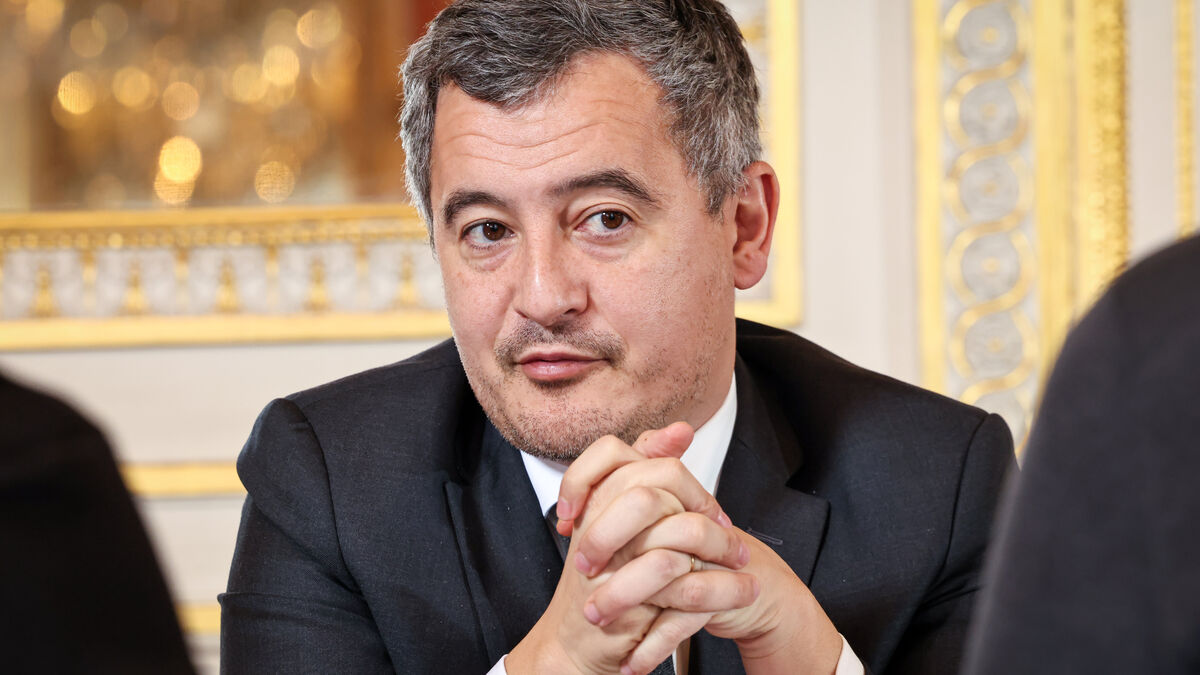
In a recent interview on M6’s “Une Ambition intime,” France’s Minister of Justice , Gérald Darmanin , shared insights about his political journey, personal life, and the influential figures who have shaped his career. The discussion delved into his entry into the French government and his evolving relationships with prominent political leaders.
Darmanin’s political career began in 2017 when he was appointed as Minister of Public Accounts by President Emmanuel Macron . At the time, Darmanin had just transitioned from the Les Républicains party to align with Macron’s political vision. Curiously, upon receiving the appointment, Darmanin asked Macron who would be the Prime Minister, demonstrating his strategic mindset even at that early stage.
To his surprise, Darmanin revealed during the interview, “I probably knew it would be Édouard Philippe before he did.” This statement underscores his close engagement with Macron and the political landscape of France.
Darmanin’s path was not solely influenced by Macron; he also sought advice from Nicolas Sarkozy , the former President of France. Before reaching out to Philippe, Darmanin revealed that Sarkozy warned him: “If you refuse, I will never speak to you again.” This facet of his story highlights the interpersonal dynamics in French politics and the weight of counsel from seasoned leaders.
Reflecting on Youth and Ambition
During the show, Sarkozy reflected on his relationship with Darmanin, stating, “Perhaps he reminded me of the young man I once was.” This statement not only captures the mentorship aspect but also raises questions about how the past influences present ambitions in politics. Darmanin has openly expressed his desire to run for the presidency in 2027, reflecting his aspiration to ascend in the political hierarchy.
As he navigates through his political career, Darmanin hasn’t shied away from discussing the more serious allegations that have surfaced against him. He addressed past accusations of sexual assault , recounting how they coincided with his rise to ministerial position. According to Darmanin, “I became an accused individual purely by chance when I became a minister,” reflecting on the complexities of public scrutiny that comes with political life.
In one notable case, a woman accused Darmanin of raping her in 2009. However, as of February 2024, the Court of Cassation ruled that there was insufficient evidence, leading to a dismissal of the case. In a separate incident, another accuser claimed he had abused his position to exchange favors for housing and employment; this case also concluded without indictment.
The discussion around Darmanin’s past allows for a deeper examination of the role of reputation and public perception in politics. Despite the controversies, his political career has continued to ascend, pointing to a complex relationship between personal history and public service. As he prepares for a potentially ambitious future, the former political affiliations, relationships, and even past challenges define him as much as his achievements.
In this turbulent political landscape, Darmanin’s story is a reminder of how far ambition can take a person while also highlighting the responsibilities and challenges that come with such aspirations. His experiences provide a compelling narrative of resilience, demonstrating the interplay between personal trials and public service. As the French political arena continues to evolve, it will be interesting to see how figures like Darmanin navigate their careers amidst the complexities of governance and public scrutiny.