
| IN BRIEF |
|
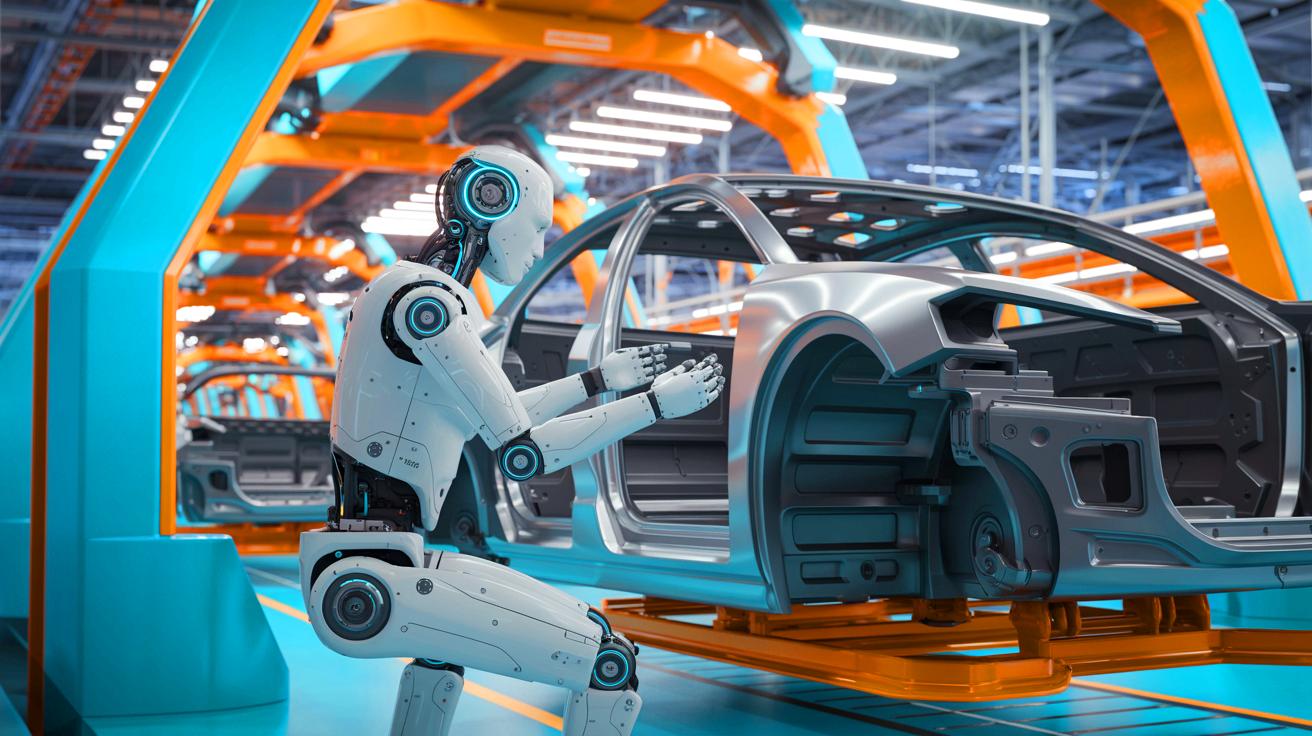
In a world where technology evolves at an astonishing pace, Atlas 2.0 from Boston Dynamics stands out as a major player in the automotive industry. Designed to optimize parts sequencing, it redefines production processes by integrating artificial intelligence. This advancement raises fundamental questions about the future of work and the impact of robotics in industrial environments. Currently being tested in Hyundai factories, Atlas promises to improve efficiency while reducing accident risks. What are the social and economic ramifications of this profound transformation?
Atlas Automates Sequencing
The parts sequencing process is crucial for ensuring fluidity and efficiency in automotive assembly. With the multitude of models and finishes, each part must be positioned precisely. Boston Dynamics has tackled this challenge by equipping Atlas 2.0 with advanced automation capabilities. Utilizing reinforcement learning and foundation models, Atlas adeptly manipulates a wide range of parts, thereby optimizing the process. This automation minimizes the need for complex human intervention, allowing for greater autonomy in factories.
Atlas anticipates potential errors during parts manipulation, ensuring unprecedented reliability. By reducing disruptions and possible damages, Atlas transforms the role of robots in factories, enhancing both efficiency and precision. This innovation illustrates the capability of humanoid robots to undertake tasks previously reserved for humans, thus redefining industrial production standards.
“This humanoid robot masters Kung Fu” : Agibot prepares a spectacular duel between machines
Enhancing Automation
Atlas 2.0 revolutionizes automation by addressing the dynamic challenges of industrial environments. Its ability to adapt to complex and unstructured situations, where parts accessibility may be an issue, is essential. This flexibility maximizes the return on investment, as it enables the automation of repetitive and physically demanding tasks, thus reducing the risk of accidents and improving employee retention.
Integrating Atlas into factories allows workers to focus on more rewarding tasks. The movements and adaptability of Atlas make it a valuable asset, increasing production throughput while ensuring optimal safety. With this advanced technology, Boston Dynamics offers an innovative solution to industrial automation challenges, enhancing both efficiency and safety in processes.
Integration Into Work Environments
Thanks to their adaptability, humanoid robots like Atlas seamlessly integrate into existing workflows. Designed to perform tasks where it excels, Atlas allows humans to tackle jobs that require creativity and judgment, thereby maximizing the efficiency of industrial processes. Trials conducted in Hyundai’s facilities aim to refine its capabilities under real-world conditions.
With advancements in artificial intelligence and robotics, Boston Dynamics is preparing Atlas to play a pivotal role in the evolution of industrial automation. By adapting to the specific needs of work environments, Atlas could transform collaboration between humans and machines, paving the way for smarter and more efficient production processes.
500% more YouTube views: This formidable strategy propels influencers to the top of online business
Technological Advances and Future Implications
The advancements seen with Atlas 2.0 illustrate the increasing significance of robotics in industry. By combining advanced hardware and sophisticated learning techniques, Atlas navigates complex environments and executes difficult tasks, opening new horizons for the future of work.
As robots become increasingly capable, certain human tasks may be replaced, thus freeing workers for more creative endeavors. However, it is crucial to consider the social and economic impacts of this transition. How will jobs evolve in the face of growing automation?
Atlas 2.0 embodies a significant leap in industrial robotics, promising a new era of efficiency and safety. By automating complex tasks, it paves the way for unprecedented possibilities in factories. But how will businesses and workers adapt to this new technological reality?
As Atlas 2.0 integrates into the automotive industry, it is evident that robotics is transforming the industrial landscape. The implications of this transformation are vast, ranging from increased efficiency to the evolution of human roles in factories. What adaptations will be necessary to harmonize this coexistence between humans and machines, and how will it influence future work models?
The author utilized artificial intelligence to enhance this article.
Did you enjoy this? 4.3/5 (30)