
| IN BRIEF |
|
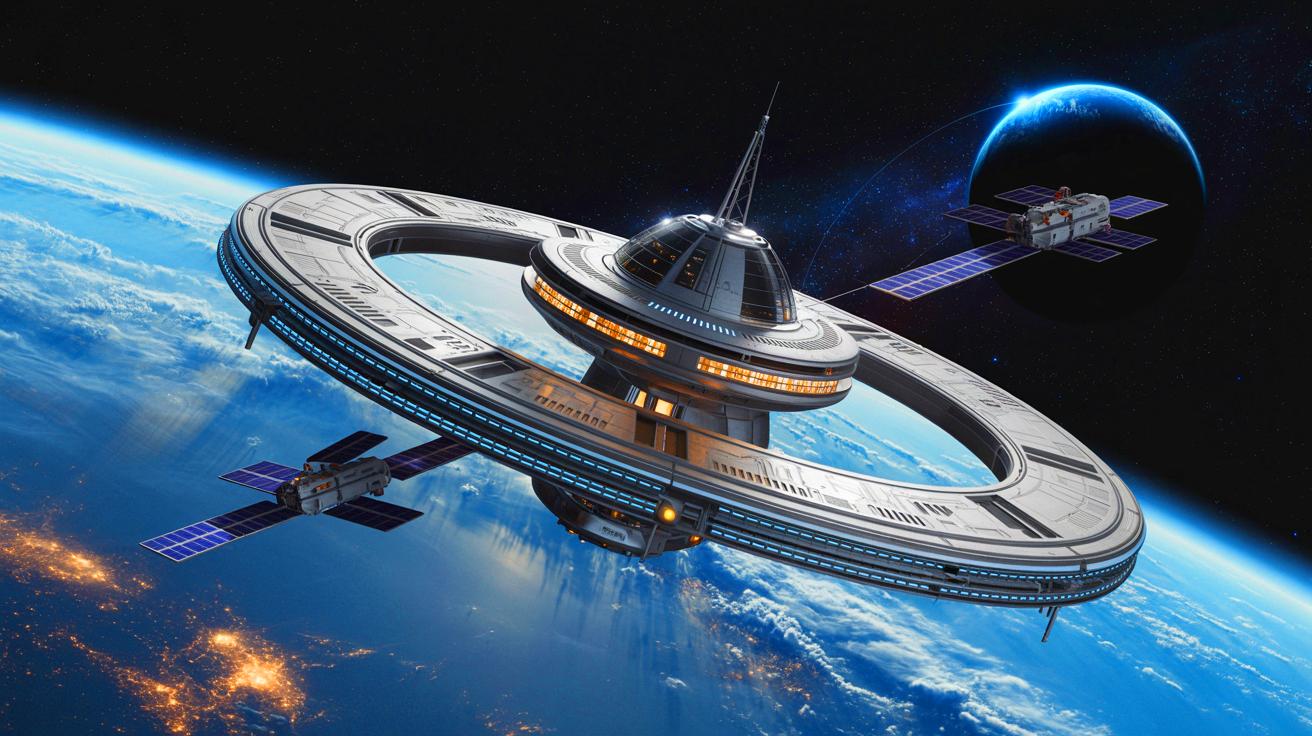
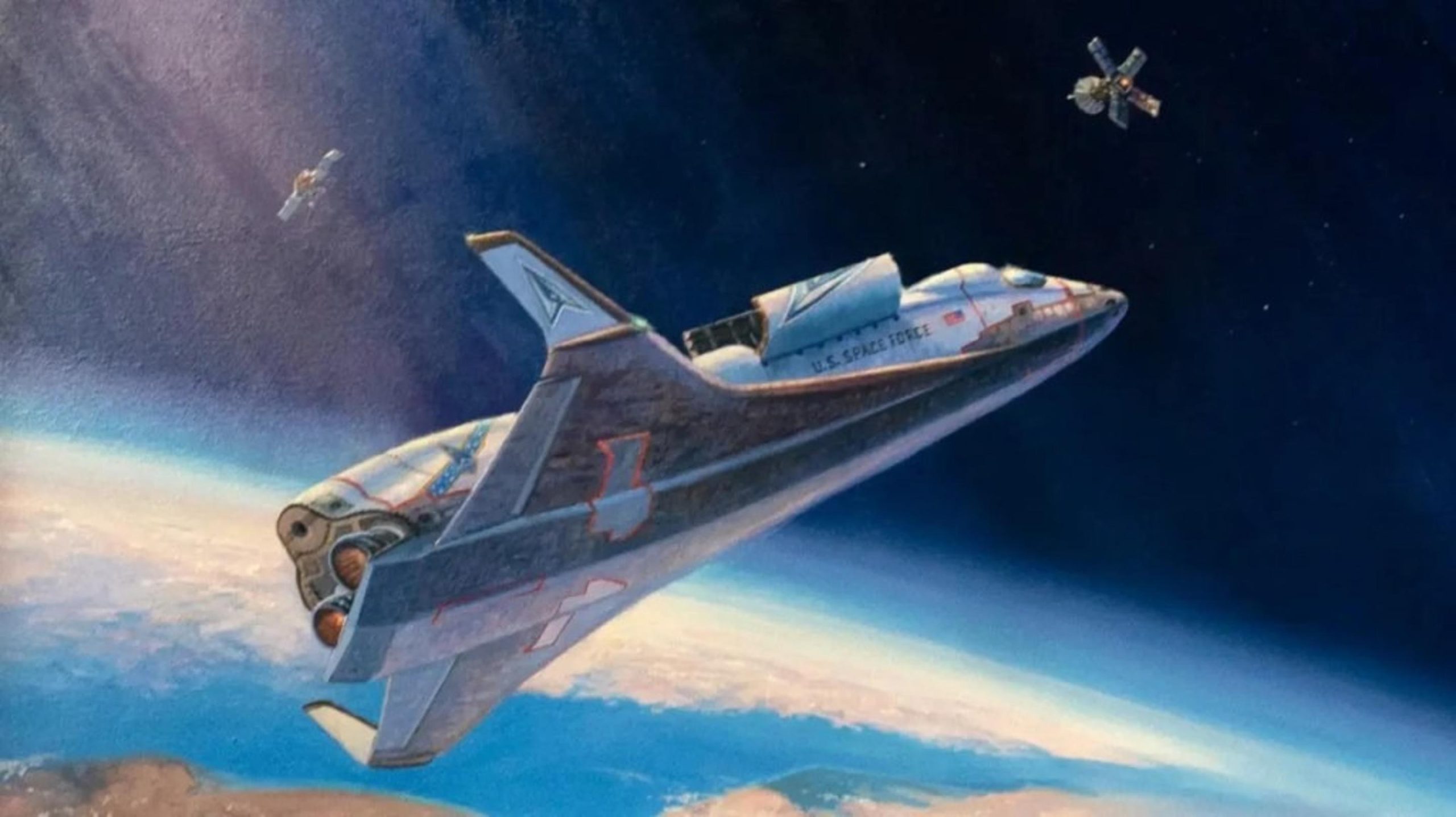
Space warfare is no longer just a distant fiction. While conflicts on Earth have long been the realm of nations, space was once regarded as a sanctuary, removed from military rivalries. However, this landscape has drastically changed with the emergence of new technologies and the growing ambitions of countries such as Russia and China. Weapons capable of targeting satellites are now a reality, making the protection of space infrastructure critically important. The United States Space Force has thus decided to develop a spacecraft carrier to address these new threats.
The Development of a Spacecraft Carrier
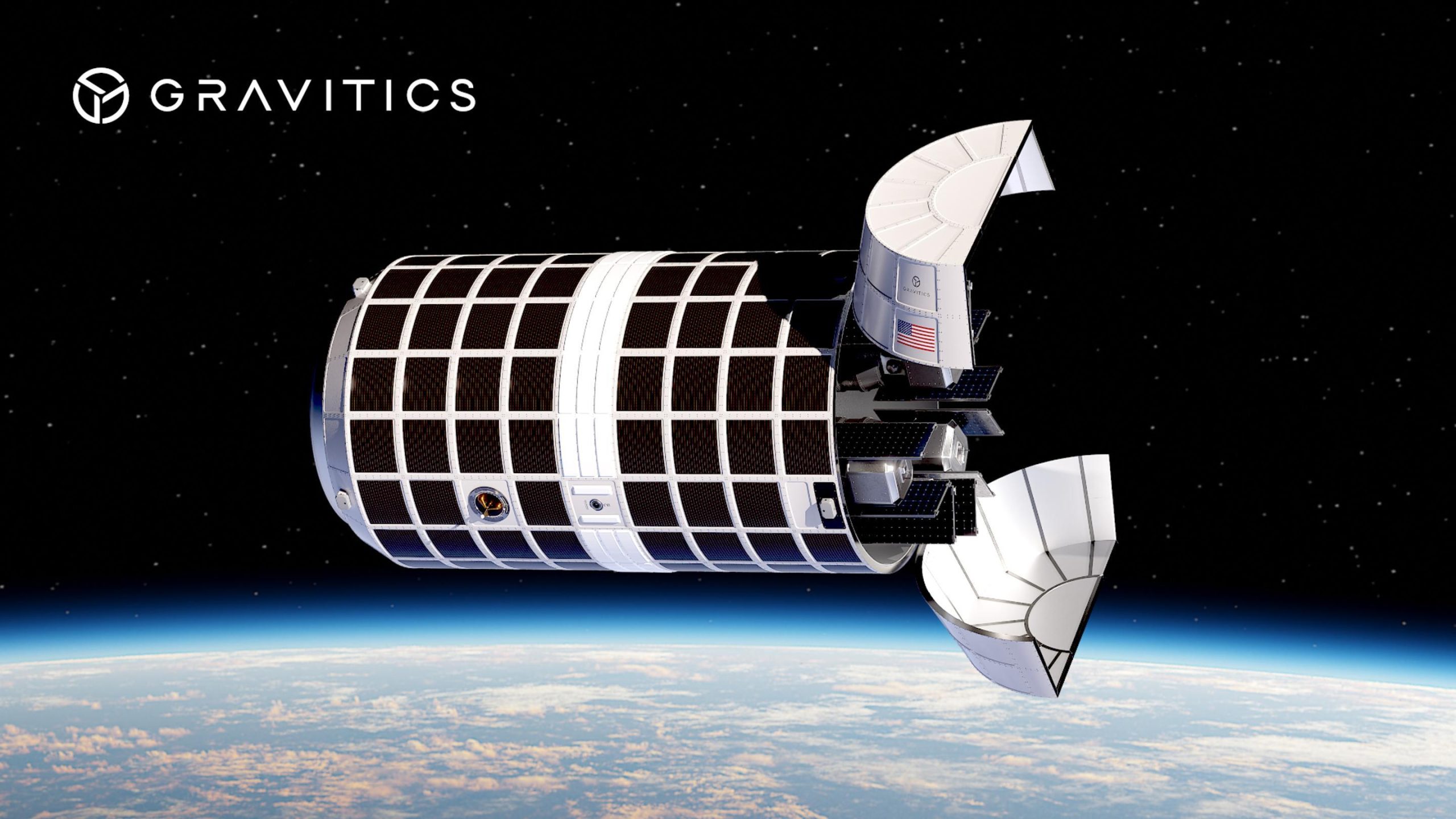
Amid an escalating arms race in space, the Space Force has signed a contract worth $60 million for the creation of a spacecraft carrier . This ambitious project aims to position spacecraft capable of quickly countering orbital threats. Contrary to popular belief, this isn’t a mere miscommunication. Space, once perceived as a peace haven, is now a potential battleground. Investments in advanced defense technologies are becoming a strategic necessity for the United States and its allies.
Historically, even during the Cold War, space armament remained largely theoretical. However, with the aggressive policies of Russia and China gaining prominence, the development of space weapons has become a priority. The United States must prepare for scenarios where satellites could become targets. The spacecraft carrier represents an innovative solution to secure Western orbital infrastructure.
Space Weapons and Their Implications
The threats in space go beyond direct confrontations. The diversity of weapons being developed by Russia and China is impressive. These include radio jammers, laser and microwave weapons, robotic arms, chemical sprayers, kinetic destruction vehicles, and even nuclear warheads capable of annihilating entire constellations of satellites. While these weapons are terrifying, they are not without limitations and can pose unforeseen risks.
For example, the cannon secretly installed on the Soviet space station Salyut 3 in 1973 had surprising restrictions. Firing along the station’s orbital axis risked sending the projectile back toward the station itself. Similarly, destroyed satellites do not vanish but continue their trajectory in space, creating dangerous debris. These risks underscore the importance of a defensive and deterrent approach rather than direct confrontation.
The Deterrent Strategy of the Space Force
The Space Force, in collaboration with other Western militaries, emphasizes a strategy of deterrence and mitigation of hostile effects. The goal is to make any space attack unattractive by responding quickly and effectively. To achieve this, having maneuverable spacecraft in orbit at all times is essential. These spacecraft, stored in a mothership , can be deployed on demand, providing unparalleled flexibility and response speed.
This approach is comparable to NATO’s carrier groups, which ensure maritime freedom. The strategic funding (STRATFI) allocated by SpaceWERX to Gravitics for this project underscores the importance of maintaining space superiority. The spacecraft carrier , as a pre-positioned launch platform, represents a significant asset for anticipating and neutralizing threats before they become critical.
Future Perspectives
Gravitics, the company tasked with developing the spacecraft carrier, is already working on a demonstration set for next year. The project, labeled a “game-changer” by its CEO Colin Doughan, promises to transform how space forces operate. By circumventing traditional launch constraints, the spacecraft carrier will allow operators to swiftly select and reach a deployment orbit.
This new capability could redefine the balance of power in space, providing the United States and its allies with a decisive strategic advantage. As the development of space weapons continues, the ability to react quickly and effectively may make all the difference. The success of this project could inspire similar initiatives to enhance global space security.
As the demonstration of the spacecraft carrier looms, one question remains: how will other spacefaring powers respond to this major technological advancement?
The author utilized artificial intelligence to enrich this article.
General News – 2