
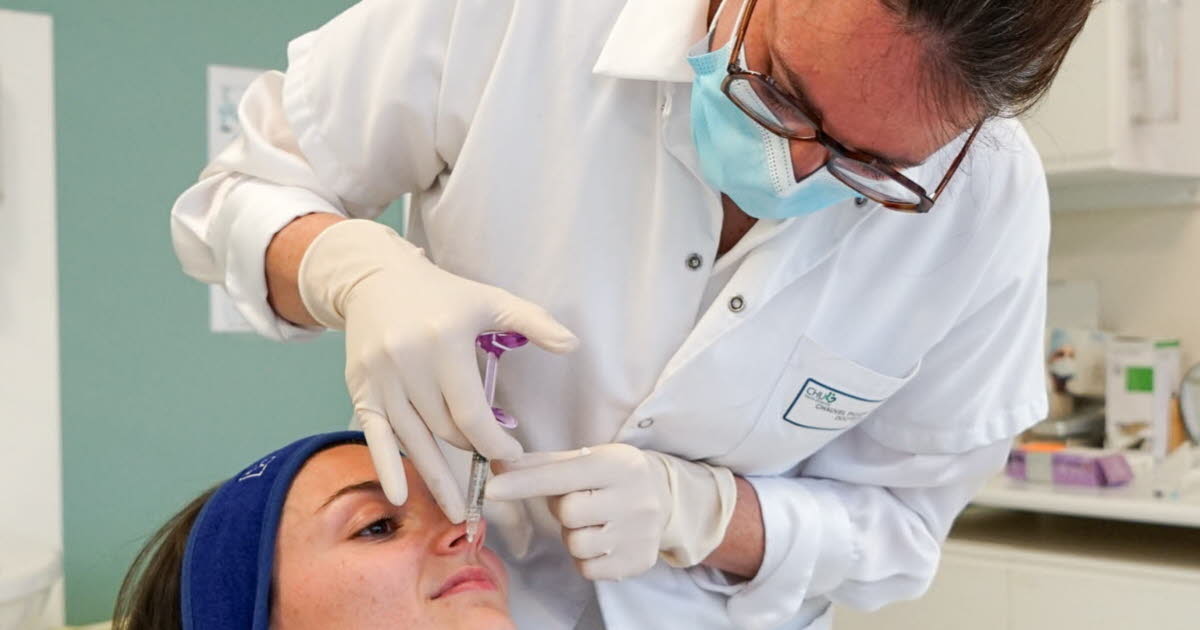
The Rise of Non-Invasive Cosmetic Procedures: What You Need to Know
In recent years, non-invasive cosmetic procedures have gained immense popularity, with many individuals opting for quick fixes that promise immediate results without the need for surgery. This trend is particularly notable among younger individuals, who are constantly seeking ways to enhance their appearance. Unfortunately, this surge in demand has led to an increase in unqualified practitioners and misleading advertisements, leading to potentially harmful practices.
Understanding Non-Invasive Procedures
Non-invasive cosmetic procedures encompass a variety of treatments that do not require incisions or significant downtime. Techniques such as fillers, Botox, and laser treatments can enhance facial features, reduce wrinkles, and restore skin vitality. These options are often marketed as safe and effective, attracting a demographic eager for a youthful appearance without the complexity of surgery.
Fillers, for instance, are popular for adding volume to areas such as the lips and cheeks. Botulinum toxin, commonly known as Botox, is another widely used substance that temporarily paralyzes facial muscles, smoothing out fine lines and preventing new ones from forming. These treatments provide individuals with a way to achieve their desired look relatively quickly and with minimal discomfort.
The Risks of Unsanctioned Practices
However, the demand for these procedures has opened the floodgates for unsanctioned practices. The internet is flooded with ads promoting services such as painless lip augmentation and needle-free facelifts performed in the comfort of one’s home. These treatments might seem appealing due to their low cost and the promise of convenience, but they raise significant health concerns.
Many of these offers come from individuals with little to no formal training, often posing as beauticians or aestheticians. This can lead to complications, such as infections, allergic reactions, and unsatisfactory aesthetic results. Consumers are essentially putting their health at risk by opting for procedures from individuals who lack the necessary qualifications and expertise.
The Alarm of Medical Professionals
Health professionals, particularly those specializing in cosmetic surgery, have voiced their concerns regarding this growing trend. Julie Chauvel-Picard, a maxillofacial surgeon at CHU de Saint-Étienne, has expressed her dismay at the prevalence of these unauthorized services. She highlights that promising patients plump lips without any form of injection is misleading and potentially dangerous.
Chauvel-Picard emphasizes the responsibility that comes with treating someone’s face. She points out that non-invasive does not equate to risk-free. Any procedure on the face should be approached with caution, and performed by qualified personnel to ensure safety and effectiveness.
Spotting Legitimate Practitioners
With the market saturated with various offerings, it becomes crucial for consumers to distinguish between qualified practitioners and those offering dubious services. Here are a few tips to guide you:
Research: Always do your homework. Look for practitioners with proper qualifications, such as board certifications in dermatology or plastic surgery.
Consultation: Schedule a consultation before committing to any procedure. This allows you to ask questions and gauge the practitioner’s professionalism.
Reviews and Recommendations: Seek recommendations from friends or online reviews. A reputable practitioner should have a history of satisfied clients.
Check Credentials: Verify the practitioner’s credentials and see if they belong to any recognized professional organizations related to cosmetic surgery.
- Transparency: A trustworthy practitioner should be transparent regarding potential risks, side effects, and the limitations of what they can achieve through non-invasive treatments.
The Importance of Medical Oversight
The increasing trend of right alternatives calls for a more robust regulatory framework to oversee the aesthetic industry. Enhanced regulations could help enforce standards that protect consumers from harmful procedures.
Medical oversight is necessary not just for the procedures themselves but also for the aftermath and complications that might arise post-treatment. Licensed medical professionals should always supervise or perform aesthetic procedures to ensure safety.
Conclusion
As the allure of non-invasive cosmetic procedures continues to grow, awareness and education become paramount. Understanding the risks associated with unauthorized practitioners and unsanctioned services is essential for anyone considering these treatments. All cosmetic decisions should be made judiciously, prioritizing safety over immediate results.
In the Loire, for example, young women have begun to offer similar services at home, often at cut prices. This trend is alarming to some medical professionals, emphasizing the need for regulation and education within the cosmetic industry.
Ultimately, while the promise of instant beauty enhancements is enticing, it is crucial to navigate these waters carefully, prioritizing your health and well-being above all.
« Augmentation du volume des lèvres sans injection indolore », « lifting coréen au fil de soie au collagène, sans aiguille et sans douleur »… Des annonces de ce type, mises en ligne par des pseudo-esthéticiennes, la toile en est gangrenée.
Dans la Loire, on retrouve ce phénomène avec des jeunes femmes proposant ce type de service, piquant leur jeune patientèle dans leur appartement ou à domicile, à des prix cassés.
Un phénomène qui désole Julie Chauvel-Picard, chirurgienne maxillo-faciale au CHU de Saint-Étienne : « On ne peut pas faire n’importe quoi avec le visage des gens. Promettre des lèvres pulpeuses sans injection, ce n’est pas possible. »