
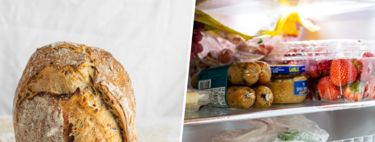
The Changing Landscape of Bread
The world of bread has witnessed significant transformations in recent decades. Once a staple of daily life, the culture surrounding bread is now in decline, despite attempts to revitalize it. Bread, which boasts approximately 315 varieties, has somewhat lost its prominence in our daily routines.
In response to the evolving dynamics of consumption, many are asking, “Is it really a good idea to freeze bread?” To many people’s surprise, freezing bread can be a beneficial practice, as long as it’s done correctly.
Does Freezing Affect Nutritional Properties?
Dietitian-nutritionist Nuria Romero reassures us that freezing bread does not lead to a loss of nutritional value. However, it’s crucial to note that the texture and flavor may sometimes be compromised during the freezing process.
What Types of Bread Should You Freeze?
Not all breads are created equal when it comes to freezing. According to experts, the best candidates for freezing are:
- Less toasted bread: They tend to maintain a good moisture balance.
- Larger loaves: These also handle freezing well.
- Whole wheat or rye breads: They are especially well-suited for freezing due to their composition.
How to Properly Freeze Bread
Freezing bread might sound straightforward, but it’s important to follow a few simple steps to ensure quality:
Choose Fresh Bread: Always start with fresh bread at room temperature. Avoid bread that is hard or hasn’t cooled completely.
Slice for Convenience: Cutting the bread into portions, especially slices, facilitates easier defrosting later.
Pack Airtight: Use airtight packaging to prevent moisture from the freezer from affecting the slices. Proper isolation can keep your bread fresh for up to six months.
Defrosting Bread: The Right Way
Defrosting is where many run into issues. To maintain freshness:
- Room Temperature: Allow the bread to defrost at room temperature on a rack to avoid moisture build-up.
- Quick Methods: If you’re short on time, the oven works well—wrap the bread in aluminum foil and heat at about 160 degrees for 10-15 minutes. For sliced bread, a toaster can also be an efficient option.
The Potential Health Benefits of Frozen Bread
Some studies suggest that when frozen, a notable portion of the carbohydrates in bread may convert into prebiotic fiber upon defrosting. This could offer benefits for gut health and blood glucose regulation.
Is This Scientifically Proven?
While tantalizing, the claim of health benefits may be overstated. According to some researchers, evidence supporting this transformation remains inconclusive. Although it has been shown that freezing and then roasting bread can reduce its glycemic index, the effect on an individual’s health is likely minimal.
The takeaway? While freezing bread can have some advantages, your overall diet and lifestyle choices will play a far more significant role in your health.
In summary, freezing bread isn’t just a convenient way to save money and reduce waste; it can also allow you to enjoy bread for months while retaining its nutritional properties, provided that you follow the right procedures for both freezing and defrosting.