
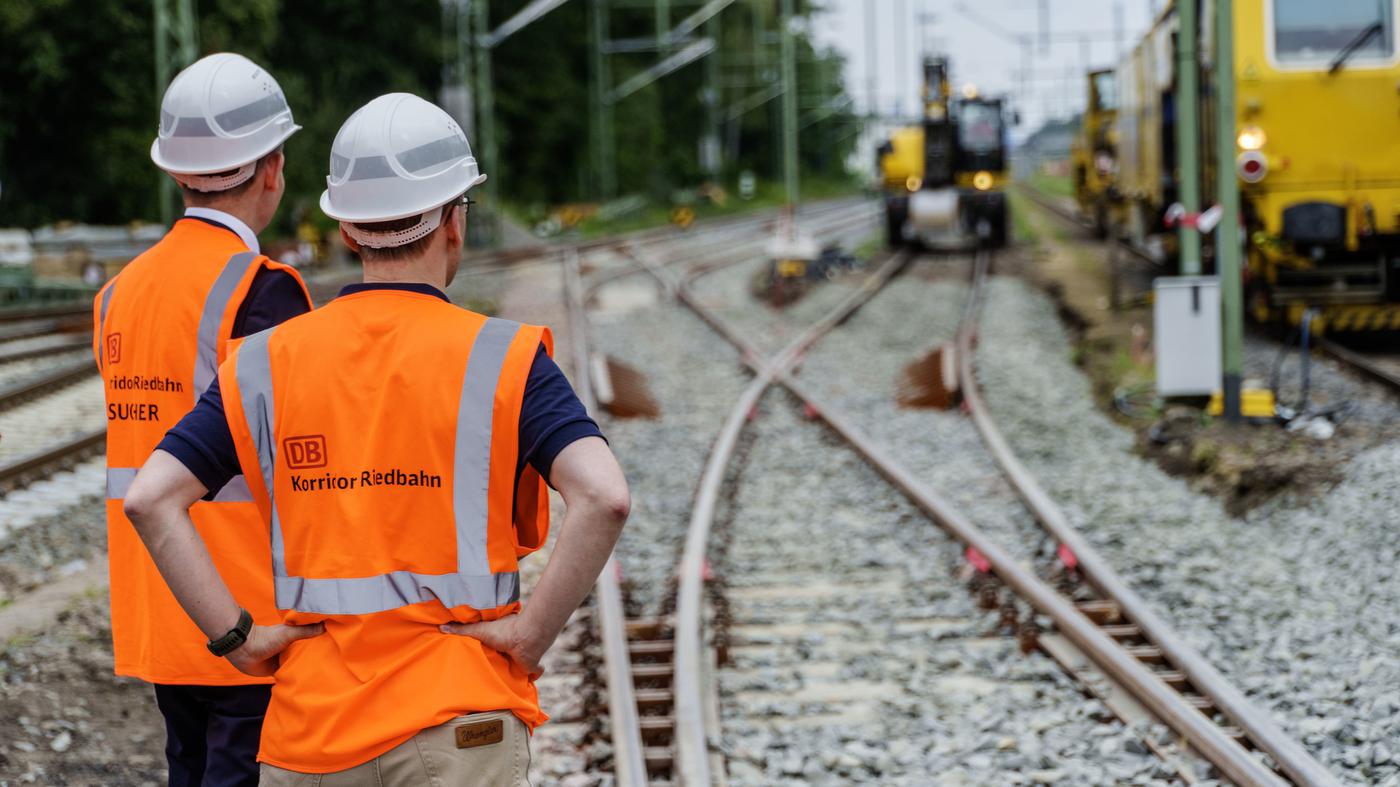
Problems Arise in Germany’s Major Railway Project: Federal States Alarmed Over ICE Line Renovation
Introduction
In recent months, the Berlin-Hamburg ICE line renovation has been a significant topic of discussion among political and transportation officials in Germany. This project, intended to upgrade the key railway infrastructure, has encountered severe challenges, leaving many federal states voicing their concerns. The goal was clear: to modernize a crucial segment of the German rail network, but delays and inefficiencies have turned this ambition into a distressing scenario.
Background of the Project
The ICE (InterCity-Express) line between Berlin and Hamburg is not just vital for local commuters but also for national and international travel. Stretching over 280 kilometers, it is one of the most heavily used rail corridors in Europe. With increased demand for faster and more efficient transport options, the German Federal Railway (Deutsche Bahn) initiated a comprehensive renovation plan aimed at enhancing safety and reliability.
However, the project has faced multiple hurdles from the onset, raising questions about the capability and management of Deutsche Bahn. The renovation was projected to span nine months, leading many to expect improvements would be evident by the time the line reopens.
Challenges Faced
Despite the initial optimism, the renovation process has faced significant complications. Feedback from commuters and officials reveals a worrying trend: essential works are either incomplete or are yet to commence. Federal states, including Schleswig-Holstein, Saxony-Anhalt, and Lower Saxony, have voiced strong objections, calling for clarity and accountability from Deutsche Bahn.
Communication Breakdowns
One of the primary issues has been the lack of effective communication between Deutsche Bahn and the federal states. As stakeholders in the project, these states require timely updates about the progress of the renovations. Unfortunately, many have reported feeling left in the dark, exacerbating tensions and frustrations.
Budget Overruns
Another significant concern is the potential for budget overruns. Initially planned within a specific financial framework, many fear that additional funds will be needed due to unexpected complications. This situation can severely impact public perception and trust in Deutsche Bahn’s capability to manage large-scale projects.
Safety Concerns
Safety is paramount in any infrastructure project, especially in the transport sector. With ongoing renovations, there are heightened risks, making it imperative that all safety measures are followed rigorously. Recent reports indicate that safety protocols have sometimes been compromised, further alarming state officials and users alike.
Federal States Respond
In response to these mounting issues, the federal states have taken a proactive approach. They called for a joint meeting with Deutsche Bahn, aiming to address these pressing concerns head-on. Their principal demands include:
Transparency in Project Status: By providing regular updates, Deutsche Bahn can help rebuild trust with stakeholders.
Review of Budget Allocation: Understanding financial needs and potential overruns will help states plan accordingly.
- Enhanced Safety Protocols: Engaging independent safety experts to ensure all standards are being met is critical for public reassurance.
The Impact on Commuters
For the common commuter, the ongoing renovation signifies much more than just inconvenience. Many daily travelers between Berlin and Hamburg rely on this service for business or personal commitments. Delays and interruptions can derail plans and even impact livelihoods. This disruption has led to increased frustration among regular travelers, many of whom are currently forced to seek alternative and less efficient modes of transportation.
Looking Ahead
As the renovation continues, it is crucial for all parties involved to foster a collaborative environment. The federal states’ involvement in oversight can ensure that projects move smoothly while addressing community needs. Ultimately, the objective should remain clear: to enhance the railway system for the benefit of all.
With a combined effort from the federal states and Deutsche Bahn, there is hope that the ambitious plans for the Berlin-Hamburg ICE line can be realized. A commitment to transparency, budget adherence, and rigorous safety standards will be essential in achieving this goal.
Conclusion
The renovation of the Berlin-Hamburg ICE line represents a pivotal moment in German transportation. While the challenges faced are significant, they also present an opportunity for meaningful dialogue and improvement within the railway sector. Only through collaborative efforts can we ensure that the future of rail travel in Germany remains bright and efficient.
© dpa/Andreas Arnold
Für die Deutsche Bahn sollte die Generalsanierung der ICE-Strecke Berlin-Hamburg ein Befreiungsschlag sein, doch trotz neunmonatiger Sperrung können wichtige Arbeiten offenbar nicht erledigt werden.
öffnet in neuem Tab oder Fenster