
Understanding the Rise of Melanoma: Causes and Projections
Introduction to Melanoma
Melanoma, a severe form of skin cancer, is notoriously more aggressive than other skin cancer types. Unlike basal cell carcinoma and squamous cell carcinoma, melanoma originates from melanocytes, the cells responsible for producing melanin, the pigment that gives skin its color. With rising global temperatures and increasing exposure to harmful ultraviolet (UV) rays, the incidence of melanoma is alarmingly on the rise.
The Impact of UV Rays on Melanoma Rates
Recent research hints that 80% of melanomas are associated with exposure to UV rays. These rays are emitted by the sun and tanning beds, and they can severely damage the skin. According to the International Agency for Research on Cancer (IARC), out of nearly 332,000 cases of skin melanoma reported globally in 2022, around 267,000 were attributed to UV exposure, translating to about 83%.
Gender Disparities in Melanoma Cases
Interestingly, the proportion of UV-related melanoma cases is notably different when looked at through a gender lens. The study indicates that 86% of reported cases in men and 79% in women are linked to UV exposure. This disparity sparks questions about behavioral or biological differences in sun exposure and skin responses. Further insights reveal that the burden of cutaneous melanoma significantly varies across world regions, affected by factors like geographic location and the prevalence of fair-skinned populations, who are generally at higher risk.
Global Regions and Melanoma Incidence
Certain areas are more prone to high melanoma rates. For instance, Australia and New Zealand, along with Northern Europe and North America, have alarming statistics, with more than 95% of cases related to UV exposure. These regions experience higher levels of UV radiation and have a large percentage of individuals with fair skin, resulting in greater susceptibility to developing melanoma.
The IARC noted, “The burden of melanoma differs significantly from one region of the world to another due to the combination of varying UV exposure levels and a markedly higher risk of developing melanoma in fair-skinned populations.”
Historical Context: The Rising Trend of Melanoma
Melanoma was historically considered a rare disease. However, over the last few decades, its prevalence has surged dramatically. The increased exposure to UV radiation, mainly due to lifestyles encouraging sunbathing and artificial tanning, has led to this rise, especially among fair-skinned populations.
Experts cite that the increasing aging population coupled with rising cases of skin exposure has contributed to this trend. Recent projections predict a 50% increase in melanoma cases by 2040, with estimates suggesting more than 510,000 new cases will be reported annually. This alarming forecast underscores the urgent need for effective public health strategies in melanoma prevention and education.
Preventive Measures for Melanoma
Preventing melanoma is a critical public health challenge that calls for awareness and action. Key preventive measures include:
Regular Skin Checks: Early detection dramatically increases the chances of successful treatment. Individuals should familiarize themselves with their skin and report any unusual changes to a healthcare provider.
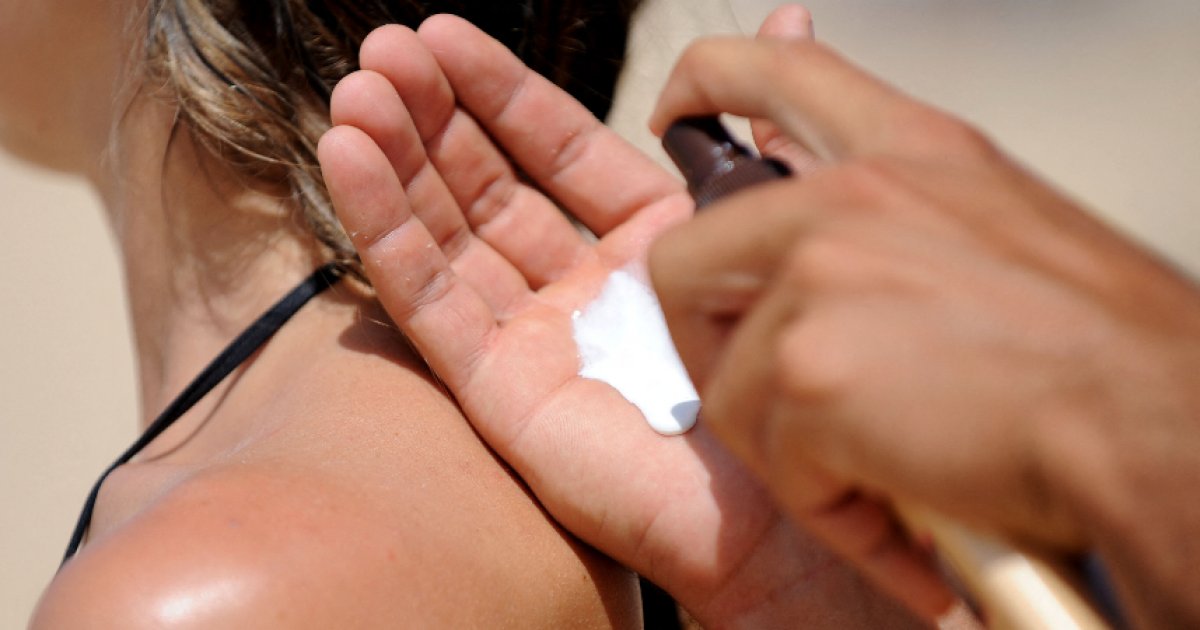
Sun Protection: Utilizing sunscreen with a high SPF can shield the skin from UV rays. Wearing protective clothing and seeking shade during peak sun hours (10 AM to 4 PM) is crucial.
- Education: Awareness campaigns can help educate the public on the risks of UV exposure, particularly regarding tanning beds and intensive sunbathing activities.
The Future of Melanoma Research
The rise in melanoma cases drives the need for ongoing research and clinical trials aimed at understanding its mechanisms and improving treatment options. New therapies, such as immunotherapies and targeted therapies, are being developed and have shown promise in treating advanced melanoma cases.
Additionally, research continues to explore the relationship between genetic predispositions and environmental factors in melanoma development, promising a more tailored approach to prevention and treatment in the future.
Conclusion
As the trends indicate, the world is facing a critical health challenge regarding melanoma. The linked statistics highlighting UV rays as the primary cause stress the need for a proactive approach towards prevention.
In light of the scrutiny that this disease draws, public awareness is more crucial than ever. In summary, it’s imperative that we enhance our understanding of melanoma, educate ourselves about its risks, and take the necessary precautions.
According to an estimation from researchers at the International Agency for Research on Cancer (Circ), released on Tuesday, May 27, 80% of melanomas worldwide are attributable to UV rays. Some parts of the world are more affected by this condition.
The ultraviolet (UV) rays are responsible for 80% of melanomas globally, according to an estimation released on May 27 by researchers at the International Agency for Research on Cancer (Circ). In fact, out of nearly 332,000 cases of skin melanoma worldwide in 2022, approximately 267,000 were caused by UV rays, accounting for 83%, according to a study published in the International Journal of Cancer (IJC), reported by TF1 Info.
This proportion was higher among men (86%) than among women (79%), as highlighted by Circ. Furthermore, different countries around the world vary significantly in their incidence of this type of cancer. “The burden of cutaneous melanoma differs substantially from region to region due to the combination of different levels of UV exposure and a much higher risk of developing cutaneous melanoma among fair-skinned populations,” detailed the research institute. Regions of the world with the highest rates of this cancer were Australia/New Zealand, Northern Europe, and North America, exceeding 95%.
An Increase in the Coming Years
Cutaneous melanoma was “a rare disease in the past”, but exposure to UV has increased in recent decades, leading to a significant rise in this pathology, particularly among fair-skinned populations. The number of cases of cutaneous melanomas is expected to increase in the coming years due to the growing and aging population. A recent projection forecasts over 510,000 new cases in 2040, representing a 50% increase, stated Circ.
published on May 27 at 22:52, Lilian Moy, 6Medias