
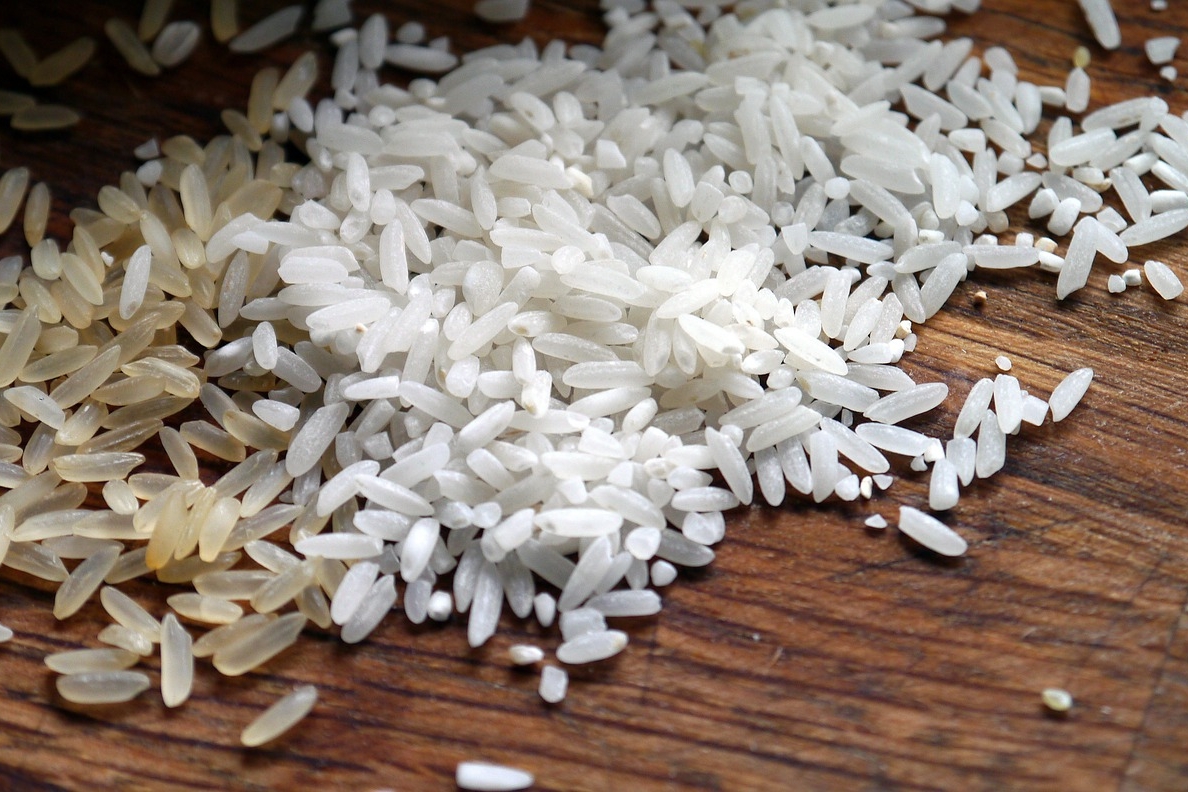
The Risks of Consuming Rice: Understanding Contaminants
Rice is a staple food for billions worldwide, celebrated for its versatility and nutritional value. However, recent discoveries have raised significant concerns regarding the safety of rice consumption. With reports indicating the presence of harmful contaminants such as arsenic, pesticides, and aflatoxins, consumers are increasingly questioning whether rice is still a safe option.
What Are the Contaminants in Rice?
Arsenic
Arsenic is a toxic element found naturally in the environment. It can seep into the soil and water supplies, affecting crops like rice. Studies have indicated that rice tends to absorb more arsenic than other crops due to its flooding cultivation method. Long-term consumption of arsenic-contaminated rice has been linked to serious health issues, including cancers, cardiovascular diseases, and developmental effects in children.
Pesticides
Agricultural practices often involve using pesticides to protect crops from pests and diseases. While these chemicals can increase yields, they may also leave residues on the food we consume. Certain pesticides are known to be harmful, leading to long-term health risks such as hormonal disruptions and even neurological damage.
Aflatoxins
Aflatoxins are toxic compounds produced by molds that can grow on agricultural products. Rice is vulnerable when stored improperly, especially in humid conditions. Prolonged exposure to aflatoxins can result in severe health consequences, including liver damage and cancer.
The Global Concern Over Rice Safety
The global rice market recent years has witnessed increasing scrutiny due to these contaminants. Regulatory agencies in several countries are now advocating for stricter testing and purification methods. With alarming reports emerging continuously, consumers must remain vigilant about the rice they purchase.
Health Implications
Consuming contaminated rice can pose significant health risks. For instance, studies suggest that chronic exposure to even low levels of arsenic can lead to cumulative damage, particularly in vulnerable populations like children and pregnant women. This raises the question: is it still safe to consume rice regularly?
Recommendations for Safer Rice Consumption
Choose Organic or Tested Rice
Opting for organic rice can be a safer option as organic farming practices typically limit the use of harmful pesticides and promote better soil health. Furthermore, consumers should look for brands that conduct regular testing for contaminants.
Wash and Cook Rice Properly
Research indicates that washing rice thoroughly before cooking can significantly reduce pesticide residue and other harmful contaminants. Boiling the rice in excess water (and draining the leftover water) can further help dilute residues that may remain.
Diversify Your Diet
Incorporating a variety of grains and legumes into your diet can reduce reliance on rice, thereby lowering exposure to its potential contaminants. Consider alternatives such as quinoa, millet, or farro as nutritious substitutes.
Regulatory Actions and Consumer Awareness
As awareness grows regarding the potential dangers of contaminated rice, several organizations are calling on regulatory bodies to implement stricter standards for rice production and testing. Consumers must stay informed through reliable sources about the types of rice they are purchasing and how these products are sourced.
Conclusion
In light of the emerging evidence regarding rice contamination, consumers face a challenging dilemma. Although rice remains a beloved staple in diets worldwide, the potential health risks cannot be ignored. As such, adopting safer practices and being proactive in selecting rice products is essential for ensuring health and wellness.
For more insights on risks associated with rice consumption and related food safety concerns, consider reading articles from reputable sources, like the following:
- Arsenic, pesticides, aflatoxines: peut-on encore manger du riz? RTL.fr
- L’aliment le plus consommé au monde bientôt déclaré toxique? Be Magazine
- Une diététicienne recommande d’éviter ces 3 types de riz, dans un objectif santé topsante.com
- Amazon.com est poursuivi pour la vente présumée de riz contaminé Boursorama
- Amazon.com est poursuivi pour la vente présumée de riz contaminé. Zonebourse