
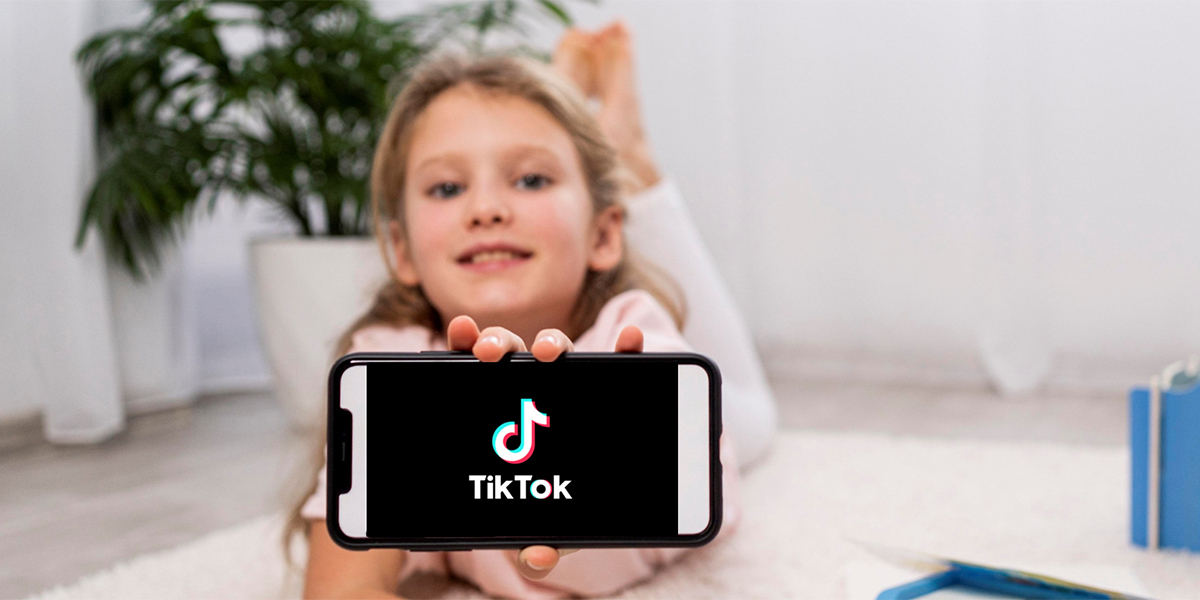
Understanding the Addiction to TikTok Among Children
TikTok, a popular social media platform, has become increasingly prevalent among children and teenagers. The question arises: why do children find themselves drawn to this platform, often spending hours engaged with content that appears superficial? This article delves into the factors that contribute to this phenomenon and its resulting implications.
The Power of Algorithms
One of the core reasons behind TikTok’s addictive nature is its advanced algorithms. Platforms like TikTok and YouTube have honed their algorithms to maximize user engagement. The primary objective is to keep users on the platform for as long as possible. This involves a real-time analysis of user preferences, which then tailors content to their tastes.
Key mechanisms include:
- Extreme Personalization: The more a user engages with specific types of content, the better the algorithm becomes at suggesting similar videos.
- Instant Gratification: TikTok’s content often consists of very short clips, providing immediate entertainment with minimal effort.
- Variable Reward System: Much like gambling, users never know what the next video will be, which activates their curiosity and keeps them engaged.
TikTok has effectively combined these elements to create a highly engaging experience. Many users find it challenging to put their phones down, even as they struggle to focus on longer forms of media, such as movies or TV series. Ironically, they can scroll through short clips for hours without pause.
Content That Appears Vacuous but Engages Deeply
While the algorithms play a significant role, the content itself is compelling for various reasons. Firstly, and perhaps most importantly, TikTok content is easy to digest. There’s little cognitive effort required, offering users a break from reality. This is not a new concept; everyone occasionally feels the need to disconnect from serious thought.
However, TikTok introduces a social dimension that differs from traditional reality TV. Influencers interact with users directly, fostering a sense of intimacy. This often results in children feeling a connection to these figures, compounded by the algorithms guiding their experience.
Moreover, the rapid spread of trends and viral challenges compels users to stay updated. While adults might see this as content lacking substance, children often view these videos through a different lens. They seek immediate entertainment and social interaction, especially within a generation that experienced social isolation during lockdowns.
Are Children at Greater Risk?
While adults may understand the addictive mechanics of social media, children are uniquely vulnerable. Their brains are still developing, making them more susceptible to addictive stimuli. Adult users often express frustration over their time spent on social media, but children don’t yet possess the cognitive skills necessary to recognize the impact of their screen time.
The average time children aged 4-15 spend on TikTok is 75 minutes per day, raising significant concerns. The developing brain’s malleability allows these platforms to exploit cognitive biases without ethical hesitations. Children are often unaware that long hours of content consumption could adversely affect their mental acuity.
The Implications of This Addiction
Critics of social media often wonder if screen time truly affects cognitive growth. Throughout the decades, various technologies—from television to video games—have been blamed for deteriorating intellectual standards. But is TikTok worse? The answer appears to be yes, for several reasons:
- Addictive Logic Amplified: Social media platforms exacerbate addictive behaviors, affecting brain chemistry.
- Dopamine Circuitry: TikTok’s short-form content activates reward pathways, creating immediate gratification and dependency-like behaviors. This results in poor attention spans, making even reading or watching traditional media challenging.
Some children have begun to view TikTok videos as too lengthy—indicating a diminishing capacity for focused attention. This decline can hinder educational performance, where sustained attention is crucial.
The Role of Parents
Parents often find themselves in a dilemma when dealing with TikTok. Imagine if children had infinite access to candy—most parents would likely restrict that. However, social media remains largely unregulated, granting children unrestricted access to applications designed to be intrinsically addictive.
Not all children react equally to social media. Factors such as boredom, stress, or lack of meaningful social engagement can exacerbate addictive tendencies. Families need to cultivate an enriching environment to help mitigate these risks.
Establishing Healthy Boundaries
Parents should set clear ground rules around screen time. This might include:
- Instituting limits on daily usage
- Designating "no phone" hours
- Encouraging alternative activities such as sports, music, or board games
In therapeutic settings, similar techniques help individuals break free from the cycle of immediate gratification tied to social media.
Leading by Example
Finally, it’s essential for parents to model the behavior they wish to see. If adults spend excessive hours on their devices, they can’t expect their children to practice restraint. Understanding the long-term implications of their own screen habits can help parents foster a healthier relationship with technology.
The impact of platforms like TikTok on children is multifaceted and profound, underlining the need for vigilance among parents and educators. Engaging with this complex issue can guide better practices and support healthier interactions with digital media.
Qui n’a jamais posé un enfant devant un écran pour s’acheter quelques minutes (ou heures, d’accord…) de répit ? D’ailleurs, quand on a enfin une seconde pour soi, on a parfois simplement envie de souffler… en scrollant sur son propre téléphone. L’arme préférée des baby-sitters et des parents épuisés ne cesse de se perfectionner et de peaufiner son potentiel addictif.
Sa dernière incarnation, ce sont les formats ultra-courts et ludiques de TikTok. Pour les parents, cela s’apparente à de la bouillie vidéoludique : des extraits de quelques dizaines de secondes tout au plus, où se superposent parfois plusieurs vidéos (par exemple un extrait de podcast que l’on écoute, et un autre de jeu à regarder) pour capter le peu de capacité d’attention qu’il reste à nos gamins.
Voici qu’ils passent des heures et des heures à se repaître de vidéos pour le moins pauvres en substance. Comment celles-ci exercent-elles une telle emprise sur nos enfants ? Voici quelques éléments de réponse.