
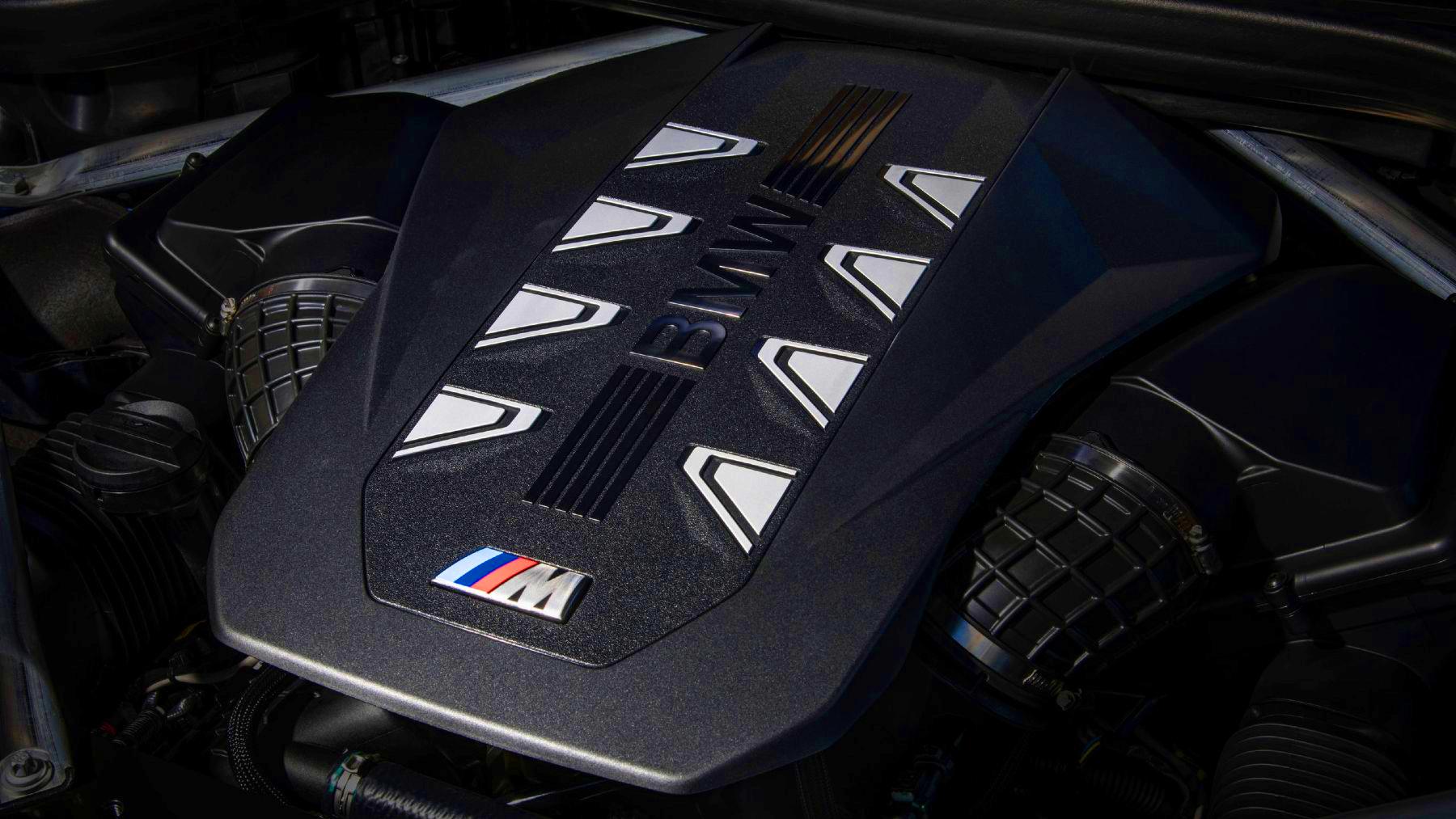
The Rise of Alternative Solutions in the Automotive Industry
The automotive industry is undergoing a paradigm shift as manufacturers strive for sustainability . Renowned brands like BMW are actively exploring alternative solutions to traditional internal combustion engines, notably embracing both electrification and hydrogen technology . While electric vehicles (EVs) are often viewed as the sustainable choice, hydrogen is being considered as another viable option for a greener future. This leads to an essential question: which technology will dominate in the coming years?
BMW and Its Commitment to Electric Solutions
As one of the key players in the market, BMW’s recent efforts focus heavily on the development of electric vehicles . While competing brands like Toyota and Hyundai have heavily invested in hydrogen fuel cell technology, BMW has shown a clear preference for electrification. Despite earlier announcements regarding hydrogen-powered vehicles, recent communication indicates a shift towards prioritizing electric models. BMW’s factory in Steyr has begun production of sixth-generation electric motors to support its imminent Neue Klasse platform.
The Challenges of Hydrogen Technology
Hydrogen, despite its potential, faces significant infrastructure challenges compared to electric vehicles. The existing charging networks for electric cars provide a convenient advantage , making EV adoption far easier for consumers. Consequently, many manufacturers, including BMW, believe electric solutions provide a more immediate and practical pathway towards sustainable mobility . This reality raises questions about the long-term viability of hydrogen as a mainstream automotive technology.
Future Prospects: What Lies Ahead for Hydrogen?
Although the preference for electric vehicles is evident, hydrogen technology is unlikely to disappear entirely. Its potential applications in long-distance trucking and aviation highlight its relevance in specific transport sectors. Furthermore, the limitations of electrical infrastructure in remote areas can position hydrogen as a potential solution for those scenarios.
In Conclusion: The Balance of Technologies
The ongoing development in both electric and hydrogen technologies places the automotive industry at a crossroads. As infrastructure for electric vehicles continues to expand, future innovation will rely significantly on collaborations between companies, governments, and researchers to balance these energies effectively. The pursuit of sustainable mobility will call for flexibility, efficiency, and perhaps a synergistic approach where both technologies can coexist and complement each other.
| IN SHORT |
|
In today’s automotive landscape, the quest for more sustainable solutions is gaining momentum. Hydrogen and electric vehicles have emerged as alternative solutions, both complementary and competitive. Among the giants of the industry, BMW stands out for its efforts to reduce reliance on internal combustion engines. While electric vehicles lead this transformation, some view hydrogen as a viable option for a greener future. However, the question remains: which technology will truly prevail in the years to come?