
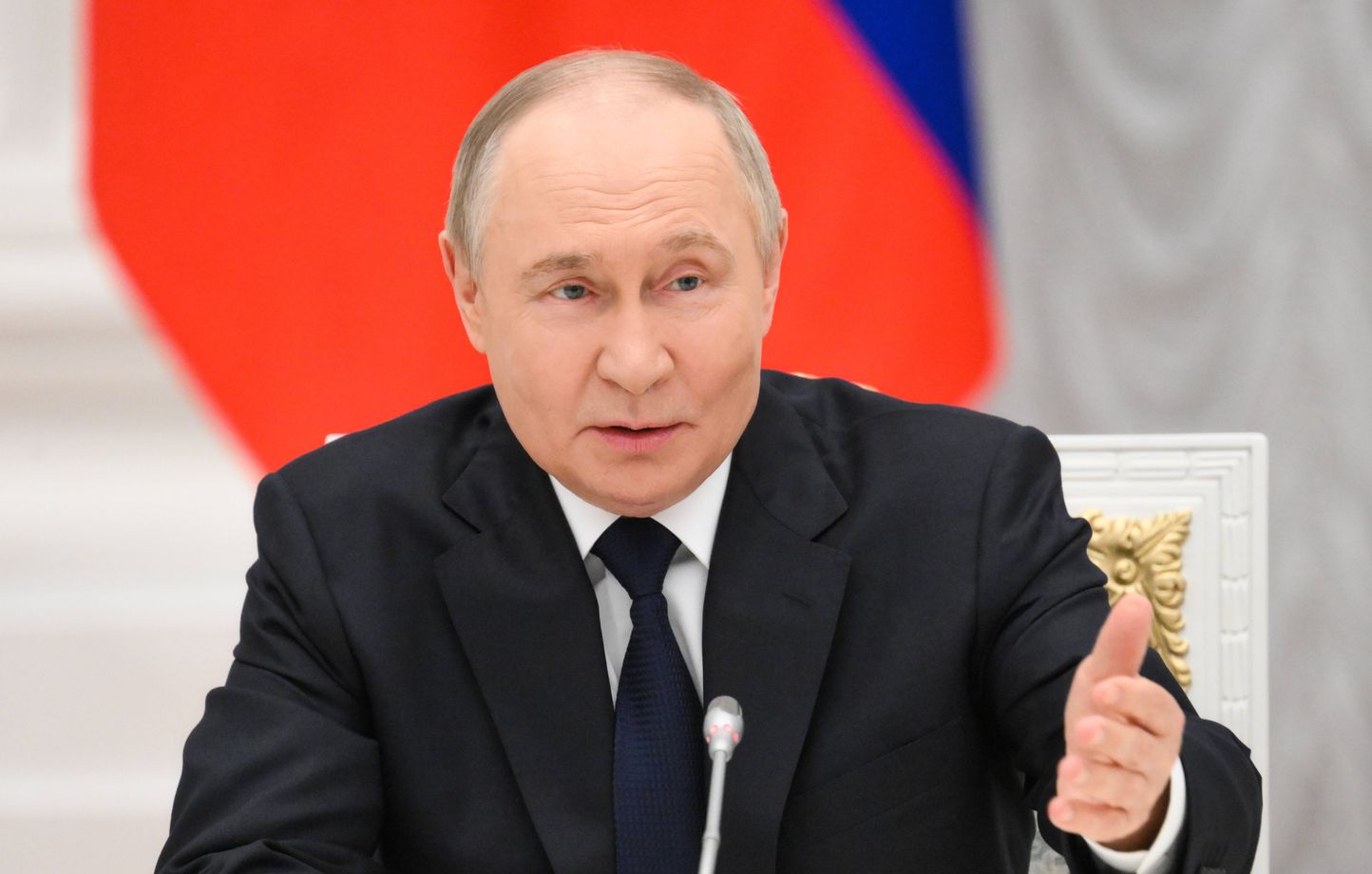
The Ongoing Conflict: An In-Depth Analysis of the War Between Kiev and Moscow
Introduction
The conflict between Kiev and Moscow has become one of the most scrutinized international crises in recent years. With escalating tensions, the situation remains volatile, drawing the attention of global leaders and media outlets alike. In this article, we will explore the historical context, current situation, and potential resolutions to the ongoing war.
Historical Context
To understand the present conflict, it is crucial to delve into the historical background. The tensions between Ukraine and Russia can be traced back to various political, cultural, and historical factors. After the Soviet Union’s disintegration in 1991, Ukraine gained independence, leading to a complex relationship with its neighbor. Over the years, Russia has viewed Ukraine as a strategic asset, which has fueled conflicts incidentally over the decades.
Key Events Leading to the Conflict
Several significant events have precipitated the current war. The Euromaidan protests in 2014 marked a turning point when Ukrainian citizens rallied against then-President Yanukovych’s decision to reject a deal with the European Union. This resulted in a violent crackdown, leading to Yanukovych’s ousting and a subsequent Russian annexation of Crimea. Following that, pro-Russian separatists began seizing territory in the Donetsk and Luhansk regions, escalating the situation.
Current Situation
As of now, the war between Kiev and Moscow has reached critical levels, with both sides entrenched in their positions. Ukraine has been fighting to reclaim its territory, while Russia has continued its aggressive stance by launching massive attacks.
Military Developments
The military strategies employed by both countries have evolved over time. Ukraine has sought to modernize its army and has received support from Western nations in the form of military aid and intelligence sharing. Conversely, Russia has demonstrated its capability to deploy advanced weaponry and manpower, creating a fierce battlefield dynamic.
Humanitarian Impact
One cannot overlook the humanitarian crisis that has emerged from this war. Millions of Ukrainians have been displaced, and countless civilians have lost their lives. The war has resulted in a dire need for humanitarian assistance, with various organizations struggling to provide aid amidst the chaos.
International Reactions
The international community’s response to the conflict has been multifaceted. Leaders from around the world have condemned Russia’s actions, imposing sanctions aimed at crippling its economy. However, these measures have had varying degrees of success, complicating the search for a diplomatic solution.
Role of the United States
The United States has taken a leading role in addressing the situation, with the White House frequently engaging in diplomatic talks. Despite their efforts, there seems to be no immediate end to the conflict, as Russia continues its aggressive tactics. The Biden Administration is weighing options for intensified support to Ukraine, but this is met with internal and external challenges.
Potential Resolutions
Finding a lasting solution to the conflict is paramount, yet it remains a daunting task. Several strategies could be considered:
Diplomatic Negotiations
One approach is seeking diplomatic negotiations that involve multiple stakeholders, including the European Union, NATO, and other regional players. Open dialogues could pave the way for a ceasefire agreement, eventually leading to peace talks.
Economic Incentives
Another potential resolution could involve economic incentives for both nations, making peace a more attractive option. This could include reconstruction funds for Ukraine and eased sanctions on Russia, contingent upon cooperation and withdrawal from occupied territories.
Involvement of International Organizations
Lastly, organizations like the United Nations could play a pivotal role in mediating the conflict. Their neutrality may facilitate communication and trust between the conflicting parties.
Conclusion
The war between Kiev and Moscow is a glaring example of how geopolitical tensions can escalate into widespread conflict. With profound implications for both nations and the world at large, it is imperative that all parties involved work towards a peaceful resolution.
In closing, the situation remains fragile and complex. Continuous efforts are necessary for peace to take root and ensure stability in the region.
Bonjour à toutes et à tous. Comme chaque jour, la rédaction de 20 Minutes est mobilisée pour vous donner l’ensemble des informations sur la guerre entre Kiev et Moscou.
Malgré les tentatives de la Maison-Blanche pour mettre fin au conflit, sur le terrain les armes continuent de parler. Et face à ce constat, Donald Trump semble perdre patience vis-à-vis de Moscou, qui a de nouveau lancé des attaques massives contre l’Ukraine.