
The Northvolt Bankruptcy: A Call for Accountability
Overview of Northvolt’s Declaration of Bankruptcy
In recent months, the bankruptcy of the Swedish battery manufacturer Northvolt has sent shockwaves through the energy industry. This development is not only a significant setback for the company but also raises questions about the financial stability and regulatory oversight in the battery manufacturing sector. Northvolt had high hopes for its future, claiming to be at the forefront of the green energy revolution. However, a series of unfortunate circumstances has led the company down a different path.
The Circumstances Surrounding Northvolt
Founded with the ambition to produce sustainable batteries, Northvolt aimed to become a leader in electric vehicle (EV) battery manufacturing. Their vision included contributing to a greener planet by providing lower-carbon alternatives to traditional battery production. Yet, despite receiving significant investment and support, the company struggled to overcome operational challenges and costly delays.
Financial Troubles Piling Up
According to reports, Northvolt is facing a staggering $8 billion debt. This situation raises essential questions about financial management and the viability of the business model. The company’s rapid expansion plans, coupled with unforeseen circumstances, led to overwhelming liabilities that finally culminated in their bankruptcy filing. Investors and stakeholders are left reeling, trying to make sense of this financial collapse.
Political Reactions: A Call for Investigation
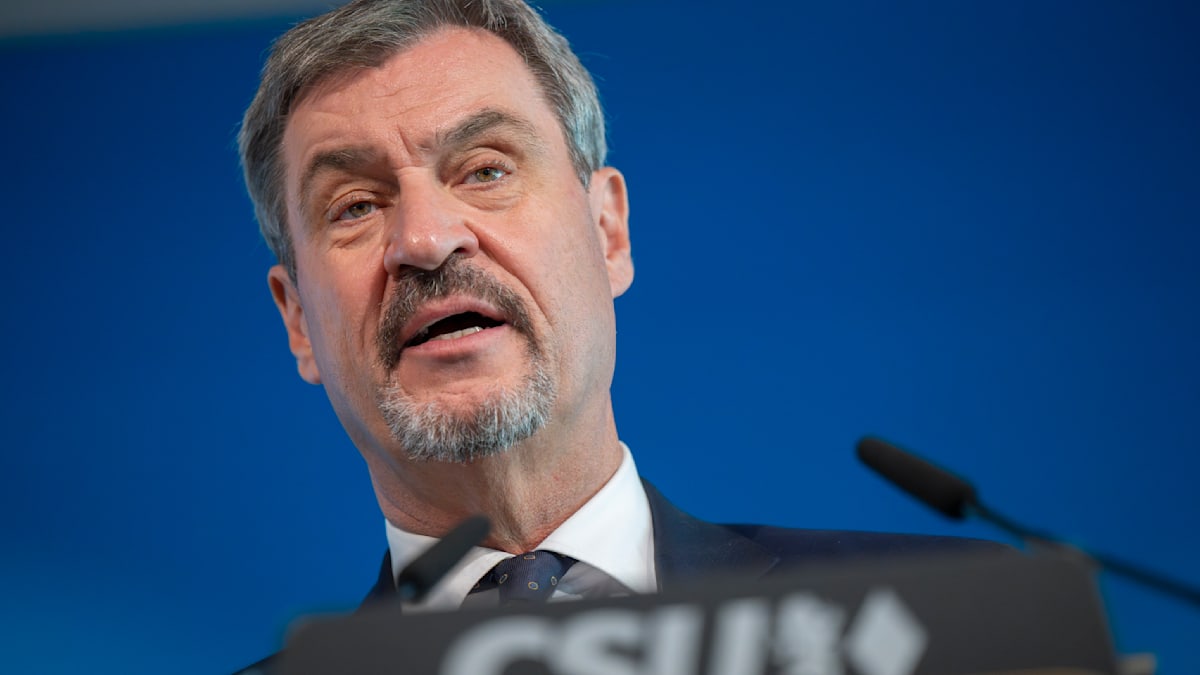
Bavaria’s Minister-President, Markus Söder from the Christian Social Union (CSU), is advocating for an investigation into the circumstances surrounding Northvolt’s bankruptcy. He has emphasized the need for thorough transparency and accountability, urging that the situation should be examined by the German Parliament (Bundestag).
The Role of Government Officials
Söder’s requests point particularly to the actions of then-Economics Minister Robert Habeck from the Greens. The former minister’s role in facilitating Northvolt’s operations invites scrutiny, as taxpayers could potentially bear the brunt of losses amounting to hundreds of millions of euros. Söder believes that a parliamentary inquiry may be necessary to ensure that all pertinent questions are addressed.
Implications for the Battery Industry
The Northvolt bankruptcy is not just a standalone incident; it signals broader issues within the battery manufacturing sector. Experts warn that a lack of proper regulatory frameworks can lead to mismanagement and unsustainable business practices. This situation underscores the importance of monitoring and regulating businesses that play a critical role in the upcoming energy transition.
Impact on Taxpayers
The implications of Northvolt’s bankruptcy are vast and heavy. The potential financial burden on taxpayers, especially if a rescue plan is required, cannot be understated. Many citizens may find it disheartening to learn that government-sponsored initiatives meant to propel the nation towards a greener future may have resulted in such notable financial losses.
Continued Operations Amid Bankruptcy
Despite its bankruptcy status, Northvolt’s German subsidiary is reportedly continuing construction work at the Heide plant in Schleswig-Holstein. Executives are optimistic and are reportedly engaging with potential buyers, believing that operations can still move forward. This is notable given the bankruptcy protection’s dual nature—it can either safeguard the company’s future or be a desperate attempt to salvage what remains.
Prospects for Recovery
While the outlook seems grim, there remains a glimmer of hope. Depending on how the bankruptcy proceedings unfold, Northvolt could potentially emerge stronger if it manages to renegotiate its debt or find a strategic partner willing to invest. However, this hinges on how convincingly they present their case to potential investors and the German government.
Future Considerations for Regulatory Frameworks
As the dust settles from Northvolt’s bankruptcy, it serves as a crucial learning moment for both investors and regulators. How can we shape a more robust framework that ensures accountability within innovative sectors like battery manufacturing? What lessons should we take from this saga to prevent similar occurrences in the future?
The Role of Stakeholders
All stakeholders—whether they be government officials, investors, or consumers—have a part to play in fostering a climate of responsibility and sustainability. Regulatory measures need to be thoughtfully implemented to ensure that ambitious ventures don’t overlook critical financial principles in their rush for growth.
Conclusion
The Northvolt bankruptcy is a complex issue that intertwines financial mismanagement, regulatory challenges, and the urgent need for accountability. As discussions unfold regarding the role of key political figures and the implications for taxpayers, all eyes will be on how this situation develops and what measures can be taken to ensure that the battery industry can move forward sustainably.
Bayerns Ministerpräsident Markus Söder (CSU) fordert laut einem Medienbericht eine Aufarbeitung der Insolvenz des schwedischen Batterieherstellers Northvolt durch den Bundestag. „Die Northvolt-Pleite muss lückenlos aufgeklärt werden – und zwar rasch“, sagte Söder der „Bild“ laut einem Vorabbericht.
Besonders die Rolle des damaligen Wirtschaftsministers Robert Habeck (Grüne) müsse dabei genau beleuchtet werden. Die Steuerzahler dürften nicht auf einem Schaden von Hunderten Millionen Euro sitzenbleiben, sagte Söder demnach. „Deshalb braucht es möglicherweise einen Untersuchungsausschuss im Bundestag, in dem alle Fragen beantwortet werden.“
Im vergangenen November hatte Northvolt Gläubigerschutz nach US-Recht beantragt. Den im Rahmen dieses Verfahrens veröffentlichten Dokumenten zufolge sitzt die angeschlagene Firma auf einem acht Milliarden Dollar großen Schuldenberg. Nach Angaben der Sprecherin der deutschen Northvolt-Tochtergesellschaft laufen die Bauarbeiten an dem Northvolt-Werk in Heide (Schleswig-Holstein) weiter. Man sei im Gespräch mit mehreren Kaufinteressenten.