
The Economic Landscape: Understanding Current Developments
The global economic landscape is ever-changing, and in recent months, various factors have come into play, impacting economies worldwide. With the advent of trade tensions and shifting political dynamics, it is imperative to understand these developments and their long-term implications.
The Influence of Trade Policies
Trade policies have a significant impact on global markets. Recently, tariffs and trade restrictions have been at the forefront of international economic discussions. For instance, President Donald Trump has made headlines with his frequently changing stance on trade with the European Union (EU). His remarks have drawn criticism and concern from various economic analysts and political figures.
Christine Lagarde’s Critique
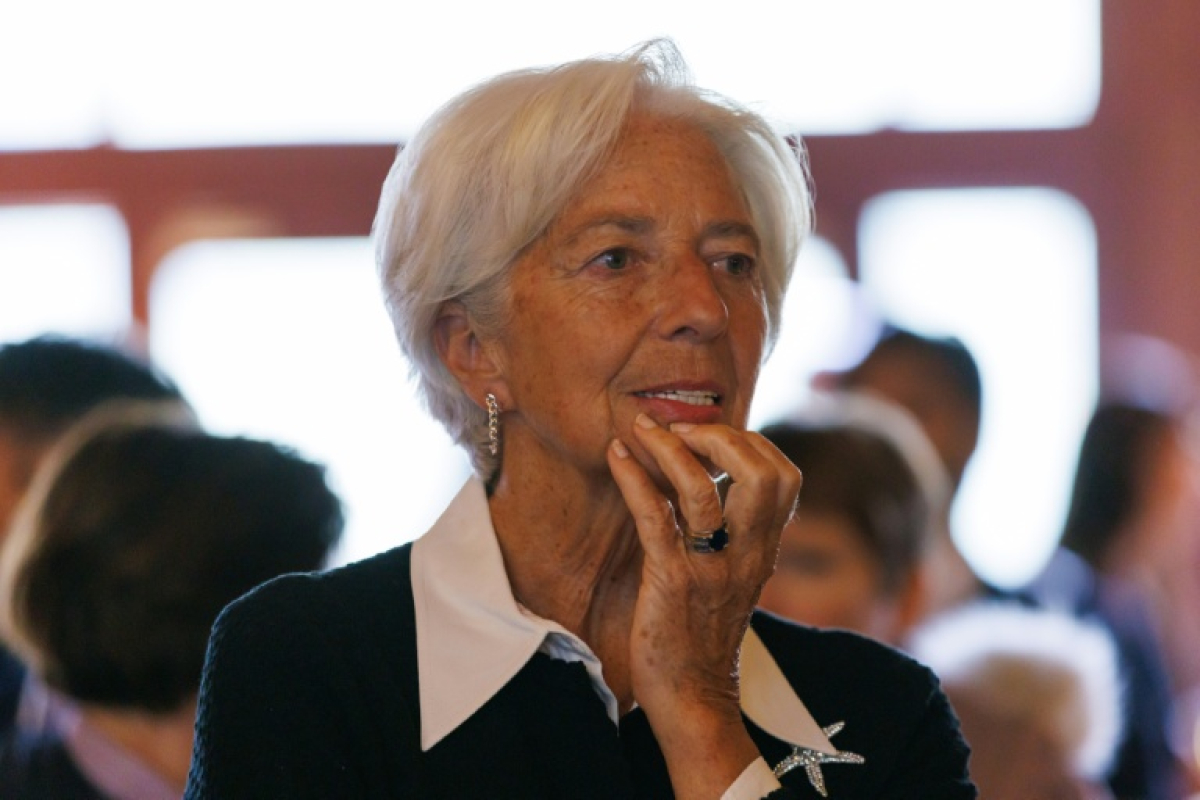
Christine Lagarde, the current President of the European Central Bank (ECB), has been vocal in responding to Trump’s comments about the EU. She labeled these comments as "terrible," emphasizing the need for constructive dialogue. Lagarde’s critique reflects a broader sentiment among European leaders who view such statements as detrimental to international relations.
Trade relationships between the United States and the EU are crucial for the stability of both economies. Lagarde stated, "The negative rhetoric surrounding trade will only exacerbate existing tensions and potentially lead to a trade war." Her insights underline the importance of maintaining cooperative trade relationships, especially given the interconnected nature of modern economies.
Tariff Dynamics
Tariffs have emerged as another point of contention. Trump’s administration has suggested imposing tariffs on various goods, which would directly affect trade dynamics with the EU. Such measures could lead to retaliatory actions, escalating tensions and complicating negotiations. Michel Sapin, a former French Minister of the Economy, commented on this situation, stating, "The best asset for Europe is that Trump’s policies are detrimental to the U.S. economy." This perspective highlights how poorly conceived trade policies can backfire, negatively impacting domestic economic conditions.
The Repercussions of Changing Policies
As these trade tensions evolve, the ramifications extend beyond mere rhetoric. The financial market reflects investor sentiment regarding these policies, leading to market fluctuations. An uncertain trade environment may deter business investments, affecting growth prospects in both the U.S. and the EU.
Market Reactions
Recent market trends indicate increased volatility with potential long-term effects on investor confidence. Analysts warn that sustained trade disputes could hinder economic recovery in the post-pandemic landscape. The stock market reactions indicate a growing apprehension among investors about the stability of trade relationships.
Future Considerations
Navigating the complexities of international trade requires more than just political maneuvers. It demands comprehensive strategies that consider economic interdependencies. A collaborative approach can help mitigate risks associated with tariffs and other trade barriers.
Economic Collaboration
Promoting open dialogue between the U.S. and EU leaders is critical to fostering a collaborative economic environment. Trade agreements should be revisited and renegotiated with incorporated insights from economic experts, ensuring mutual benefits.
Conclusion: The Path Forward
The road ahead is riddled with challenges. However, by engaging in constructive discussions and prioritizing economic stability, leaders can pave the way for a more prosperous future. The fate of international economies hinges on the outcomes of these discussions and the effectiveness of trade policies in the coming years.
For more insights, you can read articles on this topic:
- Christine Lagarde (BCE) critiques Trump’s “terrible” remarks on the EU Boursorama
- Tariff measures: Trump’s new flip-flop on the European Union Le Monde.fr
- Tariffs: “Europe’s best asset is that Trump’s policies are bad for the U.S.,” says Michel Sapin BFMTV
- “Usual provocation”: Christine Lagarde criticizes Trump’s “terrible” comments on the EU Le Figaro
- Economic Info – The EU receives a reprieve until July 9 for the 50% tariffs France 24