
The Political Economy of Trump’s Presidency
The Financial Gains of the Trump Empire
The financial landscape surrounding former President Donald Trump is as tumultuous as it is captivating. Since his inauguration on January 20, Trump and his family have generated a staggering $320 million from a new cryptocurrency venture alone, alongside multi-billion-dollar real estate transactions abroad. This era of unprecedented commercialization of the presidential office raises significant ethical and legal questions about the interplay between governance and personal profit.
The Influence of International Gifts
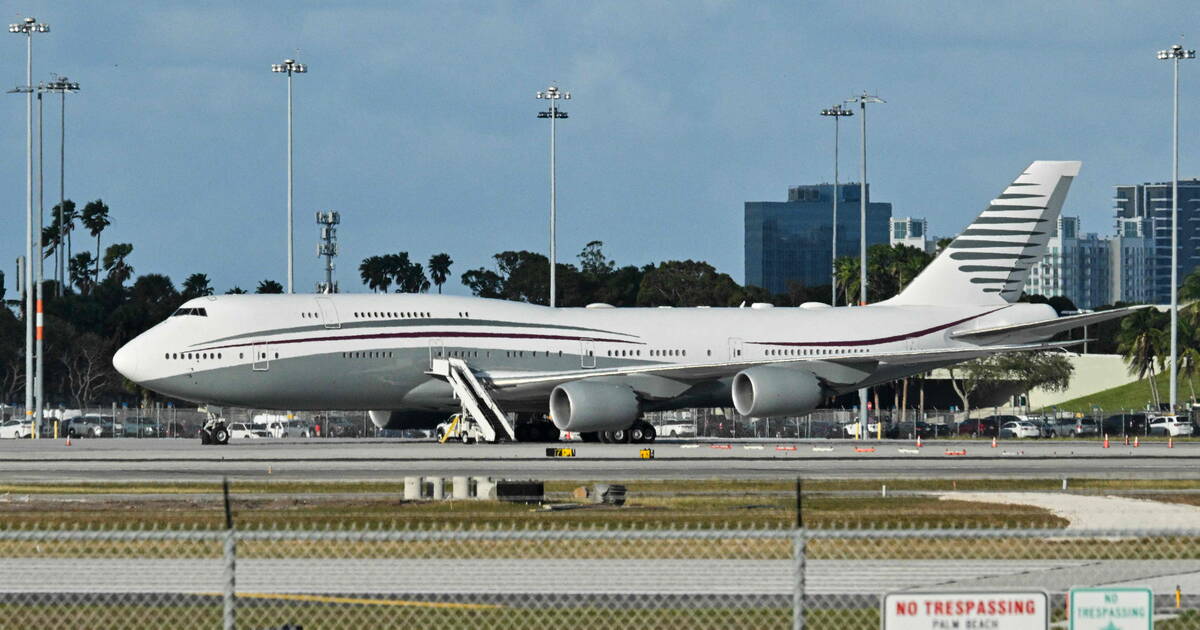
In recent media coverage, the topic of lavish gifts has surfaced. Notably, the Qatar government presented Trump with a Boeing 747-8 Jumbo, valued at hundreds of millions of dollars. This not only eclipses the total value of gifts received by all prior presidents but also highlights an apparent trend in political patronage and international relations. According to analysts, these gestures signify more than mere diplomacy; they are intertwined with commercial interests and the intricate web of Trump’s financial empire.
Criticism from Both Sides of the Aisle
The implications of such gift-giving have not gone unnoticed. Even conservative commentators have expressed discomfort with these transactions. During a podcast, Shawn Ryan, a right-wing influencer, lamented, "These dealings worry me. It certainly appears to be corruption." This sentiment reflects a growing concern across the political spectrum regarding the ethical ramifications of the Trump administration’s financial dealings.
The Family’s Justification for Commercial Ventures
In defense of these actions, Donald Trump Jr. offered a rationale for engaging in what many view as mercantilism. He suggested that criticism of the Trump family would persist regardless of their actions. "They will attack us no matter what," he argued, further elaborating that their business dealings are a strategic response to these critiques rather than a sign of wrongdoing.
Navigating the Cryptocurrency Landscape
Another critical angle of inquiry involves the Trump family’s foray into cryptocurrency. Just three days prior to his inauguration, the Trumps launched their own "meme coins," known as $TRUMP and $MELANIA. The initial surge in their value raised eyebrows, but the subsequent crash of nearly 90% highlighted the volatility of these digital assets and their potential for exploitation.
High-Risk Financial Maneuvers
Interestingly, one of the prominent investors in Trump’s cryptocurrency venture was none other than Chinese billionaire Justin Sun, who reportedly invested $40 million into $TRUMP. As these financial maneuvers unfolded, the U.S. administration simultaneously ceased ongoing fraud investigations tied to Sun’s business activities, raising questions about conflicts of interest at the highest levels of government.
The Implications of Appointments
The Trump administration has also seen individuals with ties to controversial business figures take on significant government roles. For example, a former associate of Elon Musk was appointed to lead NASA. Furthermore, Trump appointed Pam Bondi, a former lobbyist for Qatar, as the attorney general, who then validated the legality of Qatar’s extravagant gift. These actions raise an additional layer of ethical scrutiny regarding the administration’s decision-making processes.
Financial Growth Amid Controversy
Nonetheless, these controversies have not obstructed Trump’s financial ascendance. Reports indicate that his net worth increased to $5.1 billion in March, representing a $1.2 billion jump from the previous year. This growth, amidst minimal opposition, illustrates the dual philosophies underpinning the Trump governance model: the concept of "flooding the zone," as articulated by advisor Steve Bannon, and the cult of personality that positions Trump as nearly untouchable.
Cultural Commentary on Impunity
Michael Johnston, a professor emeritus at Colgate University and an authority on corruption in the U.S., articulates the perplexity of the American populace regarding Trump’s actions. "I’ve observed and written about corruption for fifty years, and I’m still dizzy." His reflection echoes a widespread disorientation among citizens as they witness a leader engaging in potentially corrupt practices without significant repercussions.
Conclusion: A New Paradigm
The complexities surrounding Trump’s presidency beg a larger conversation about the ethical dimensions of political leadership in a capitalist society. With financial dealings intricately linked to governance, the established norms of political integrity are likely irreversibly altered. As we analyze the implications of Trump’s era, it becomes crucial to reflect on the broader consequences for future administrations and the integrity of democratic institutions.
Peter Baker est «époustouflé». Le correspondant à la Maison Blanche du New York Times a analysé l’ensemble des gains de l’empire Trump depuis l’accession de Donald à la présidence du 20 janvier. «La famille Trump et ses partenaires commerciaux ont perçu 320 millions de dollars de commissions sur une nouvelle crypto-monnaie, ont négocié des transactions immobilières à l’étranger d’une valeur de plusieurs milliards de dollars et sont en train d’ouvrir un club exclusif à Washington, l’Executive Branch, auquel chacun peut adhérer moyennant 500 000 dollars, et ce rien qu’au cours des derniers mois», liste-t-il. Une monétisation de la fonction présidentielle supérieure à ce qu’ont pu faire tous les prédécesseurs du président, selon Peter Baker. Le tout sans provoquer d’esclandre à grande échelle.