
Tensions Between the EU and the U.S.: A Call for Dialogue
The relationship between the European Union (EU) and the United States (U.S.) has recently been under intense scrutiny, particularly following comments from U.S. President Donald Trump regarding tariffs. This context demands an examination of the current state of transatlantic relations and the necessity for open communication.
The Importance of Open Communication
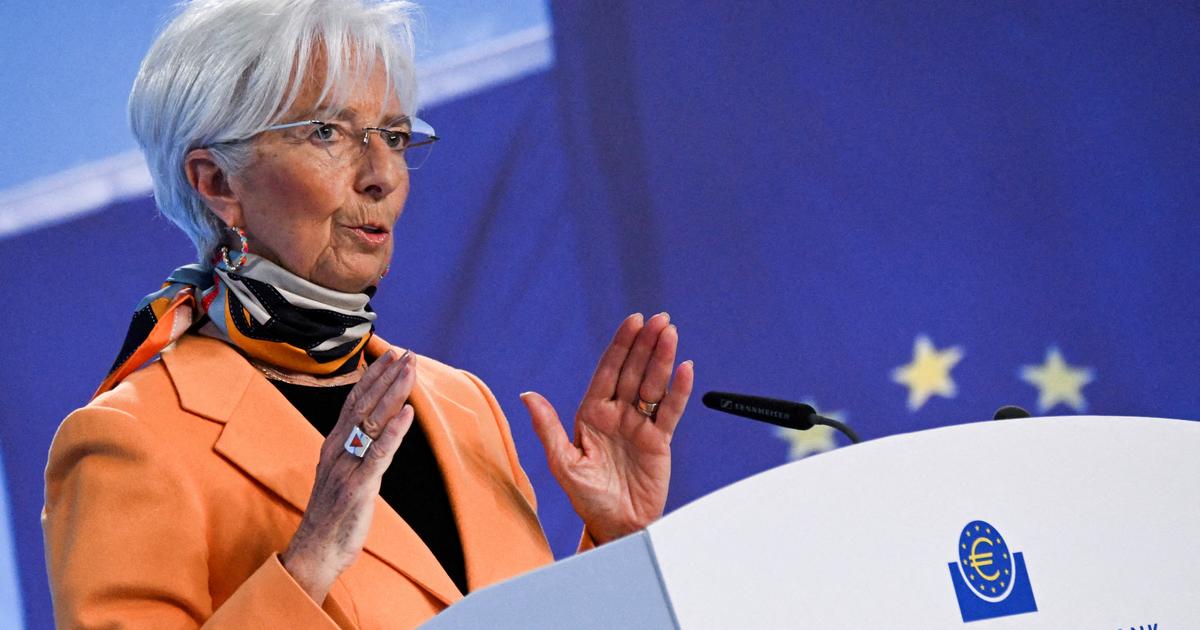
Christine Lagarde, the President of the European Central Bank (ECB), has been vocal about the need for the EU to respond proactively. She criticized Trump’s recent comments, labeling them as a “terrible language” directed at the Union. Lagarde asserted that such statements run contrary to the historical context of the formation of the EU, emphasizing that it was not created to undermine the U.S.
In her interview with German broadcaster ARD, Lagarde conveyed that the U.S. played a significant role in encouraging the formation of the EU, contrary to Trump’s assertion that it was established with the intent to harm the U.S. This misunderstanding reflects a broader issue in U.S.-EU relations that needs addressing.
The U.S. Tariff Threat
Earlier in the year, President Trump revealed plans to impose heavy tariffs on European products, citing the EU’s surplus trade with the U.S. as justification. He threatened tariffs as high as 50%, which stirred significant concern among European leaders. The suggestion was not merely hypothetical; it pointed to a growing trend of economic nationalism and protectionism that could have detrimental effects on global trade.
Lagarde urged the EU to engage in dialogue rather than resort to isolation or retaliation. This perspective is vital as it underscores the importance of negotiation in maintaining a stable and cooperative economic relationship.
The Need for Diplomacy
As tensions escalated, Lagarde noted that the EU could not simply “stay idle and pretend” that issues will resolve themselves. Effective diplomacy is required to navigate these complex discussions. She articulated a clear framework for action, advocating for open channels of negotiation and dialogue with the U.S. administration.
“We must engage in dialogue, work with their team, and listen to their proposals. We need to put forward our own proposals and negotiate,” she emphasized. This call for diplomacy is not just about managing current issues; it is about fostering a long-term relationship built on mutual respect and understanding.
Current State of EU-U.S. Trade
The existing tariffs that the U.S. has implemented on various goods are already creating tensions in trade. With a 10% tax imposed on imports from nearly all countries and specific tariffs of 25% on key sectors such as automobiles, steel, and aluminum, ongoing negotiations are crucial. The threat of additional tariffs only complicates this already delicate situation.
On the other hand, the EU has responded to these tariffs with their own measures. It is essential for both parties to find common ground to reduce these trade barriers and avoid a trade war that could have far-reaching implications for the global economy.
An Opportunity for New Beginnings
Despite the current challenges, both sides have a unique opportunity to redefine their relationship. Following a recent phone call between Trump and EU Commission President Ursula von der Leyen, a temporary delay on implementing the 50% tariffs was agreed upon, pushing the deadline to July 9. This postponement provides a window for both sides to engage in fruitful discussions.
Lagarde’s emphasis on negotiation comes at a critical juncture, as the potential for tariffs continues to loom. The imperative to discuss and reach a consensus cannot be understated. European leaders, alongside their U.S. counterparts, must prioritize dialogue to navigate out of this turbulent period.
The Path Forward
In summary, establishing an open dialogue with the U.S. is not just a choice; it is a necessity for the EU. The need for cooperation is more pronounced than ever as both regions face shared global challenges. Through thoughtful communication and negotiation, the EU can strive to protect its interests while fostering a relationship that benefits both parties.
As Christine Lagarde aptly put it, "L’Europe ne peut pas «rester les bras croisés et faire semblant», estime la présidente de la BCE, face aux menaces de barrières douanières de 50% agitées par le président américain." This statement serves as a poignant reminder that action, dialogue, and understanding are essential for a constructive future in transatlantic relations.