
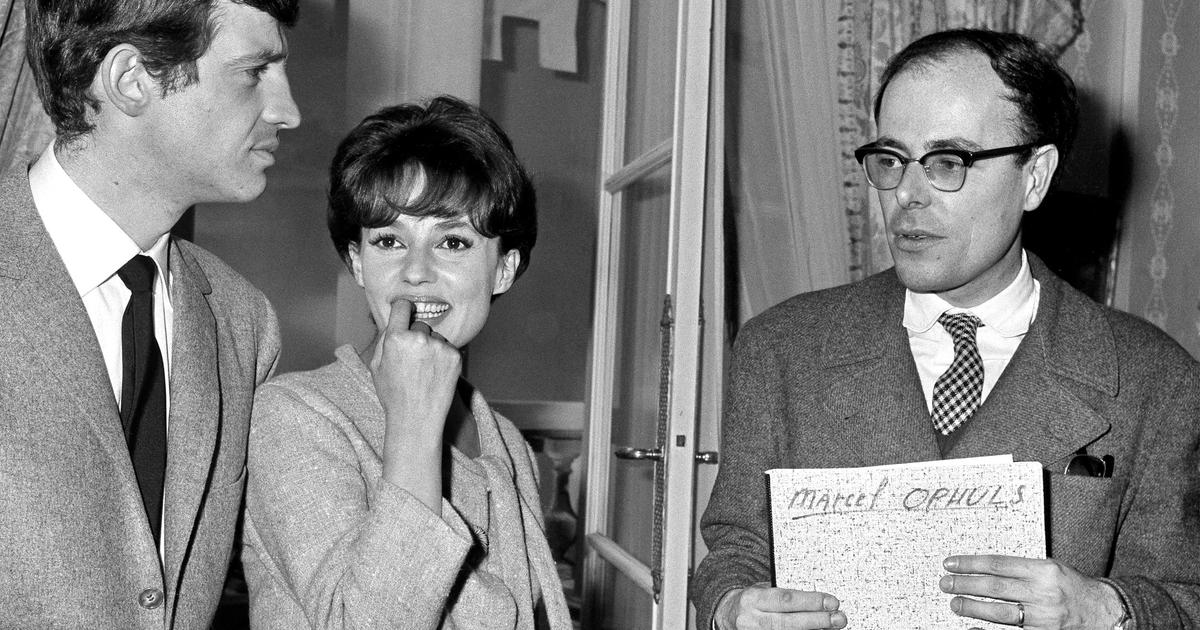
The Legacy of Marcel Ophüls: A Cinematic Icon
Marcel Ophüls, a monumental figure in the world of cinema, left an indelible mark that will resonate for generations. Known for his uncompromising documentaries and profound insights into the human condition, Ophüls’s career spanned over several decades, bringing critical attention to pivotal moments in history through a cinematic lens. His passing on May 24, 2025, at the age of 97, marks the end of an era for engaged cinema.
Early Life: A Heritage of Creativity
Marcel Ophüls was born in Frankfurt in 1927, the son of the renowned filmmaker Max Ophüls. This legacy came with both advantages and challenges. The pressure of living up to a father’s reputation was significant, but it also provided him with unique insights into the art of filmmaking. In 1933, his family fled Germany to escape the growing influence of Nazism, first relocating to France and later to the United States in 1941, where Marcel served in the military during World War II. His early experiences would shape his worldview and his subsequent work.
Influences and Collaborations
Throughout his career, Marcel Ophüls collaborated with many prominent figures in the French film industry. He served as an assistant to legendary director John Huston on "Moulin-Rouge" and worked with other distinguished filmmakers like Jean Dréville and Julien Duvivier. His friendships were also integral to his career; his bond with François Truffaut was particularly influential. In letters exchanged with Truffaut, Ophüls referred to him as not just a friend but also a protective brother figure. It was Truffaut who helped introduce him to the world of innovative cinematic storytelling.
A Groundbreaking Documentary Career
One of Ophüls’s most significant contributions to the world of cinema is his seminal documentary, "Le Chagrin et la Pitié" (1969). This monumental work focused on the complexities of France during the Nazi occupation and was met with controversy for its unflinching portrayal of a nation’s moral struggles. The documentary was initially rejected by French television due to its challenging themes. Simone Veil, a notable political figure, famously criticized its implication that all French citizens were complicit during this dark chapter of history. However, Truffaut managed to secure its release in theaters, ensuring its legacy. It wasn’t until 1981 that it finally aired on French television, illustrating the resistance he faced in addressing uncomfortable truths.
Oscar-Winning Recognition
Marcel Ophüls’s dedication to storytelling culminated in an Oscar win for his documentary "Hôtel Terminus: Klaus Barbie, His Life and Times" (1988). This work provided an in-depth exploration of one of history’s most infamous war criminals, further solidifying Ophüls’s reputation as a filmmaker unafraid to tackle difficult subjects. His films were informed by a deep commitment to truth and a desire to engage viewers emotionally and intellectually. Even within the realm of documentary filmmaking, Marcel managed to weave narratives that felt simultaneously personal and universal.
Personal and Artistic Conflicts
Marcel Ophüls often found himself at odds with the nature of commercial cinema. His desire to push artistic boundaries clashed with the expectations of mainstream filmmaking. He expressed disappointment in certain projects, feeling constrained by commercial viability. His work always carried an underlying theme of complexity, whether exploring the nuances of wartime life in "Le Chagrin et la Pitié" or the moral ambiguities surrounding individuals’ actions during times of crisis. These themes resonate even today, reminding us of the importance of integrity and conviction in both life and art.
A Lasting Impact
As we reflect on Marcel Ophüls’s life and work, it is clear that his contributions went beyond mere filmmaking. He taught us the value of critical engagement with history, urging us to reflect on our actions and their consequences. His films serve as a mirror, reflecting the shades of human behavior and moral ambiguity in tough times. They challenge us to remain vigilant and committed to democratic ideals, reminding us of our roles as informed citizens.
In conclusion, Marcel Ophüls was an extraordinary filmmaker whose profound impact remains relevant in our contemporary context. His ability to blend art with activism inspired countless individuals to rethink their perspectives on history and human behavior. As we mourn his passing, we are also reminded of the powerful legacy he left behind.
« Marcel Ophüls, lauréat d’un Oscar et figure incontournable du cinéma engagé, est décédé paisiblement le 24 mai 2025 à l’âge de 97 ans », a annoncé son petit-fils Andreas-Benjamin Seyfert.